Home Inspection Guide: Protecting Your St. Louis Real Estate Investment
Discover the critical inspection checklist that protects your investment and prevents costly surprises in your St. Louis home purchase.

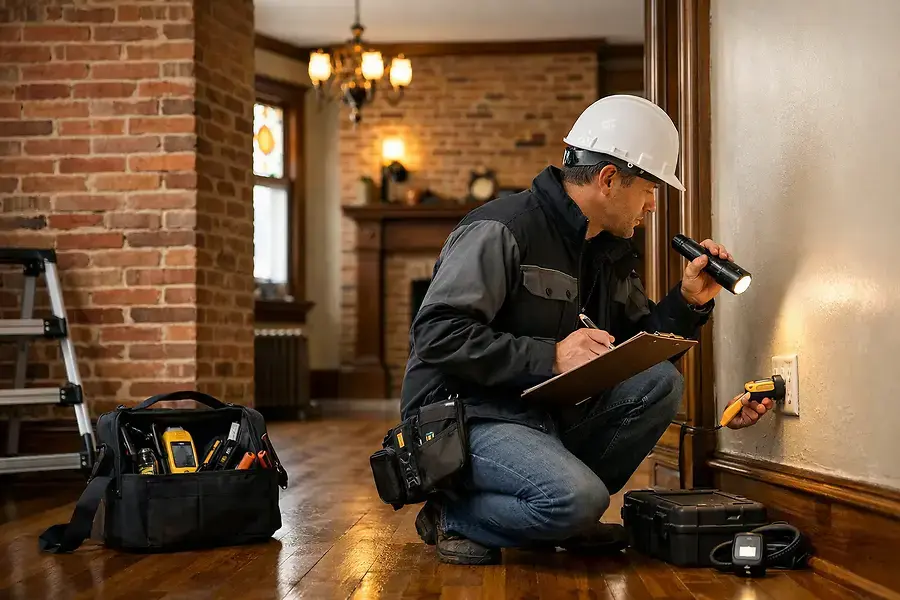
Understanding the Home Inspection Process in St. Louis
A home inspection is one of the most critical steps in the homebuying process. In St. Louis, this typically involves hiring a licensed professional inspector to thoroughly examine the property before you finalize your purchase. The inspection usually takes 2-4 hours and covers all major systems and components of the home.
The inspector will evaluate the structural integrity, electrical systems, plumbing, HVAC, roofing, and more. This comprehensive assessment gives you a clear picture of the property's condition and helps you make an informed decision. Many St. Louis homebuyers include an inspection contingency in their offer, allowing them to back out or negotiate repairs if significant issues are discovered.
Why is this important? Without a professional inspection, you could inherit expensive problems that weren't visible during your walkthrough. A thorough inspection protects your investment and provides peace of mind.
Key Areas Inspectors Examine and Red Flags to Watch
Foundation and Structural Components
The foundation is the backbone of any home. Inspectors look for cracks, settling, water damage, and signs of foundation movement. In St. Louis, where soil conditions can vary, foundation issues are particularly important to catch early. Red flags include:
- Large or widening cracks in the foundation
- Bowing or leaning walls
- Water stains or moisture in the basement
- Uneven floors or doors that don't close properly
Roofing and Exterior
Your roof protects everything beneath it. Inspectors examine shingles, flashing, gutters, and overall roof condition. St. Louis weather can be harsh, so roof age and maintenance history matter significantly. Watch for:
- Missing or damaged shingles
- Sagging roof lines
- Rust or deterioration on metal components
- Improper drainage or clogged gutters
Electrical Systems
Outdated or faulty electrical systems pose serious safety risks. Inspectors check the panel, wiring, outlets, and grounding. Older St. Louis homes may have outdated electrical systems that need upgrading. Red flags include:
- Aluminum wiring (fire hazard)
- Insufficient grounding or bonding
- Overloaded circuits or missing breakers
- Outdated fuse boxes instead of modern panels
Plumbing and Water Systems
Water damage is one of the most expensive problems to fix. Inspectors evaluate pipes, fixtures, water pressure, and drainage. They also check for signs of leaks or corrosion. Common concerns:
- Galvanized or corroded pipes
- Slow drains or backups
- Water stains indicating past leaks
- Inadequate water pressure
HVAC Systems
Heating and cooling systems are essential for comfort and can be expensive to replace. Inspectors test functionality and assess the age and condition of furnaces, air conditioners, and ductwork. Watch for:
- Systems nearing the end of their lifespan (15+ years)
- Rust or corrosion on units
- Inadequate ductwork or insulation
- Signs of poor maintenance
How to Prepare for and Review Your Inspection Report
Before the Inspection
Preparation is key to getting the most from your inspection. Here's what you should do:
- Hire a qualified, licensed inspector with St. Louis experience
- Schedule the inspection at a convenient time when you can attend
- Request a detailed written report with photos
- Ask about the inspector's qualifications and certifications
Pro tip: Attending the inspection in person allows you to ask questions and understand issues firsthand. This is invaluable for making informed decisions.
Understanding Your Report
Home inspection reports typically categorize findings by severity: safety hazards, major concerns, and minor issues. Focus on:
- Safety hazards: Issues that pose immediate danger (electrical problems, structural damage)
- Major repairs: Expensive fixes needed soon (roof replacement, foundation work)
- Minor issues: Maintenance items or cosmetic concerns
Don't panic if the report lists numerous items. Many are routine maintenance issues. The key is identifying which problems require immediate attention and which can wait.
Taking Action: Next Steps After Your Inspection Results
Negotiating Repairs and Credits
Once you have the inspection report, you have several options. You can request that the seller make repairs, offer a credit toward closing costs, or ask for a price reduction. Consider:
- Getting repair estimates for major issues
- Prioritizing safety-critical repairs
- Being realistic about what sellers will agree to
- Consulting with your real estate agent on local market conditions
In St. Louis's competitive market, your negotiating position depends on the overall market conditions and how serious the issues are.
Planning for Future Maintenance
Even if the inspection reveals no major problems, use the report as a maintenance roadmap. Create a plan for:
- Regular HVAC servicing
- Roof inspections and maintenance
- Plumbing and electrical updates
- Foundation monitoring
Preventative maintenance saves money in the long run and protects your investment.
When to Walk Away
Sometimes the inspection reveals problems too severe or expensive to justify the purchase. Consider walking away if:
- Foundation damage is extensive and costly
- Multiple major systems need replacement
- The cost of repairs exceeds your budget or the home's value
- You discover undisclosed damage or safety hazards
A home inspection is your opportunity to make an informed decision. Don't let emotions override the facts presented in the report.
Final Thoughts
A thorough home inspection is your best defense against costly surprises and protects your St. Louis real estate investment. By understanding what inspectors look for, preparing properly, and taking action on the results, you'll make a confident, informed purchase decision. Remember, this is likely the largest investment you'll make—taking time to get it right is always worth it.


