Home Inspection Guide: What Chicago Buyers Need to Know
Learn what professional inspectors evaluate and how to use their findings to negotiate better offers on residential properties.

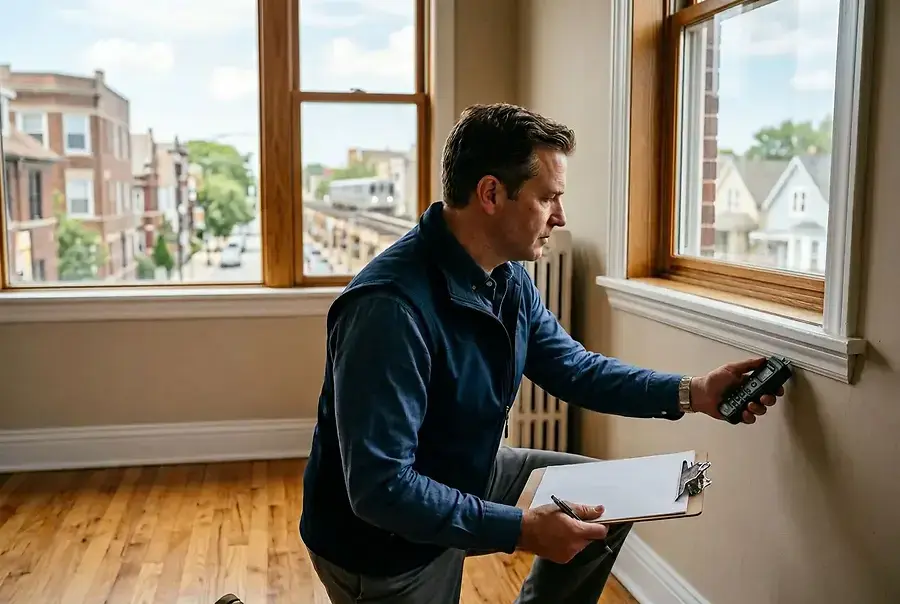
Why Professional Home Inspections Matter for Chicago Buyers
Purchasing a home is one of the most significant financial decisions you'll make, and in a competitive market like Chicago, it's crucial to have all the information before committing. A professional home inspection is your opportunity to uncover hidden problems that could cost thousands of dollars in repairs down the line. Rather than relying solely on what you see during a walkthrough, a certified inspector provides an objective, detailed assessment of the property's condition.
Chicago's diverse housing stock—from historic brownstones to modern condos—means inspectors must understand the unique challenges of different building types and ages. An inspection protects your investment and gives you leverage in negotiations. Whether you're a first-time buyer or an experienced investor, understanding what inspectors look for will help you make informed decisions and avoid costly surprises after closing.
Key Areas Inspectors Evaluate in Chicago Homes
Structural Integrity and Foundation
Chicago's clay soil and freeze-thaw cycles can wreak havoc on foundations. Inspectors examine basement walls for cracks, water damage, and signs of settling. They assess the foundation's overall stability and look for evidence of previous repairs. Foundation issues are among the most expensive problems to fix, so this evaluation is critical for Chicago properties.
Roofing and Exterior
The roof is your home's first line of defense against the elements. Inspectors evaluate:
- Shingle condition and remaining lifespan
- Flashing around chimneys and vents
- Gutters and downspout functionality
- Siding condition and water infiltration risks
- Windows and door seals
Given Chicago's harsh winters and heavy precipitation, a well-maintained roof is essential. Inspectors will note if replacement is imminent, which could affect your offer price.
Plumbing Systems
Older Chicago homes often have aging plumbing infrastructure. Inspectors check for:
- Water pressure and flow rates
- Pipe material and corrosion signs
- Drain functionality
- Water heater condition and age
- Sump pump operation (critical in basements)
Galvanized pipes, common in older homes, may need replacement soon. This information helps you budget for future upgrades.
Electrical Systems
Safety is paramount when evaluating electrical systems. Inspectors examine:
- Panel capacity and condition
- Grounding and bonding
- Outlet and switch functionality
- Presence of outdated wiring (knob-and-tube, aluminum)
- GFCI protection in wet areas
Outdated electrical systems may not support modern appliances and could pose fire hazards. This is a safety issue that could require significant investment.
HVAC and Climate Control
Chicago's extreme temperatures make reliable heating and cooling essential. Inspectors assess:
- Furnace age and operational efficiency
- Air conditioning system condition
- Ductwork integrity
- Thermostat functionality
- Ventilation adequacy
HVAC systems typically last 15-20 years, so age is a critical factor in determining replacement costs.
Interior Condition and Safety
Inspectors evaluate interior spaces for:
- Water damage and mold signs
- Insulation levels
- Drywall and flooring condition
- Stair safety and handrails
- Presence of asbestos or lead paint (common in older Chicago homes)
How to Review Inspection Reports and Identify Red Flags
Understanding the Report Format
Professional inspection reports typically organize findings by system and severity level. Most use categories like "Good," "Fair," "Poor," or "Needs Repair." Take time to read the entire report, not just the summary. Details matter, and context is crucial.
Distinguishing Major Issues from Minor Concerns
Not all findings are deal-breakers. A worn caulk line around a window is minor; a cracked foundation is major. Focus on issues that affect safety, structural integrity, or systems critical to daily living. Ask your inspector to clarify which items require immediate attention versus those that can wait.
Prioritizing Repairs and Costs
Create a prioritized list of repairs based on urgency and cost. Structural issues, electrical hazards, and roof problems should top your list. Cosmetic issues like paint or flooring can be addressed later. Get contractor estimates for major repairs to understand the true financial impact.
Using Findings in Negotiations
Armed with inspection data, you have several negotiation options:
- Request repairs: Ask the seller to fix major issues before closing
- Request credits: Negotiate a credit toward closing costs to cover repairs yourself
- Adjust the offer price: Reduce your offer based on repair costs
- Walk away: If issues are too extensive, you can terminate the purchase
Chicago's real estate market moves quickly, so act decisively. Have your inspector available to answer questions and clarify findings during negotiations.
Red Flags That Demand Attention
Certain findings should raise serious concerns:
- Foundation cracks or water intrusion
- Roof requiring imminent replacement
- Electrical hazards or outdated systems
- Mold or extensive water damage
- Asbestos or lead paint without proper management
- HVAC systems beyond their lifespan
"A thorough inspection report is your roadmap to making an informed decision. Don't skip this step or rush through the findings."
Using Inspection Insights to Make Informed Offers
A professional home inspection transforms you from a passive buyer into an informed negotiator. In Chicago's competitive market, this knowledge is power. You'll understand the true condition of the property and can make offers that reflect realistic costs and risks.
Remember that inspections aren't meant to kill deals—they're meant to protect you. Many inspection findings are manageable with proper planning and budgeting. The key is understanding what you're buying and negotiating terms that work for your situation.
Before making your final offer, always invest in a professional inspection. The cost—typically $300-500—is minimal compared to the protection it provides. With detailed inspection insights, you'll close on your Chicago home with confidence, knowing exactly what you're getting and what to expect in the years ahead.