Home Inspection Issues: What Indianapolis Sellers Need to Know
Learn what common inspection problems Indianapolis buyers discover and how to address them strategically.

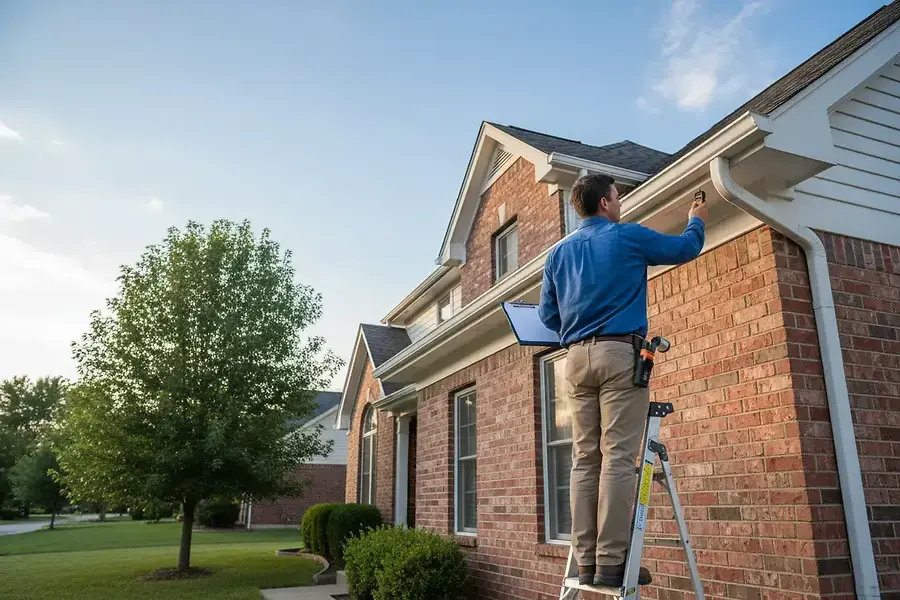
Why Home Inspections Matter in Indianapolis Real Estate
Home inspections are a critical component of the real estate transaction process in Indianapolis. When a buyer makes an offer on your property, one of their first steps is typically scheduling a professional home inspection. This thorough evaluation can reveal issues ranging from minor cosmetic concerns to significant structural problems that could affect the sale price and timeline.
As a seller, understanding what inspectors look for and how to prepare your home can make the difference between a smooth closing and a deal that falls apart. Knowledge is power when it comes to managing inspection results, and being proactive about potential issues puts you in a stronger negotiating position.
Common Inspection Findings in Indianapolis Homes and Their Impact on Deals
Roof and Exterior Issues
Indianapolis homes frequently experience roof-related problems due to the region's weather patterns. Inspectors commonly find:
- Missing or damaged shingles
- Flashing issues around chimneys and vents
- Gutter deterioration and improper drainage
- Siding damage or rot
These issues can significantly impact buyer confidence. A roof nearing the end of its lifespan may require the buyer to budget for replacement within a few years, making them hesitant to proceed without a price reduction or repair credit.
HVAC and Plumbing Systems
Heating, ventilation, and air conditioning systems are essential in Indianapolis's climate. Common findings include:
- Aging furnaces or air conditioning units
- Inadequate maintenance records
- Corroded water heaters
- Slow drains or outdated plumbing fixtures
These mechanical systems are expensive to replace, so buyers pay close attention to their condition and age. Providing maintenance records can help demonstrate that systems have been properly cared for.
Foundation and Structural Concerns
Foundation issues are among the most serious inspection findings. Inspectors look for:
- Cracks in basement walls or floors
- Water intrusion or moisture problems
- Settling or uneven floors
- Inadequate drainage around the foundation
Foundation problems can be deal-breakers if they're severe. However, many minor cracks are cosmetic and don't affect the home's structural integrity. Having a structural engineer's report can help clarify the severity of any concerns.
Electrical and Safety Issues
Inspectors evaluate electrical systems for safety compliance. Typical findings include:
- Outdated wiring or insufficient outlets
- Improper grounding
- Overcrowded circuit breakers
- Missing GFCI outlets in bathrooms and kitchens
While some electrical upgrades are cosmetic, others are safety concerns that must be addressed before closing.
Negotiation Strategies for Managing Inspection Results and Repair Requests
Get Ahead of the Curve
Consider a pre-inspection before listing your home. This allows you to identify and address issues proactively. You can then disclose known problems to buyers upfront, which often builds trust and prevents surprises during the official inspection.
Prioritize Repairs Strategically
Not all inspection findings require immediate action. Focus on:
- Safety issues – These must be addressed and are non-negotiable
- Major systems – Roof, HVAC, plumbing, and electrical problems that affect home value
- Cosmetic concerns – These can often be negotiated as credits rather than repairs
Offering a repair credit instead of making repairs yourself can sometimes be more cost-effective and gives buyers flexibility in choosing contractors.
Respond Promptly and Professionally
When buyers request repairs or credits, respond quickly with documentation. Provide:
- Quotes from licensed contractors for proposed repairs
- Proof of previous repairs or maintenance
- Professional assessments for complex issues
A professional, organized response demonstrates that you take the concerns seriously and are committed to a fair resolution.
Know When to Negotiate and When to Hold Firm
Understand the difference between reasonable requests and unreasonable demands.
A buyer who requests a $15,000 roof replacement when the roof has 5-7 years of life remaining may be overreaching, especially if the home was priced accordingly.Be prepared to push back with evidence and market data.
Consider the Bigger Picture
Sometimes making concessions on inspection items is worth it to keep a deal moving forward. If you're close to agreement on price and terms, offering a modest repair credit might be the difference between closing and losing the sale entirely.
Turning Inspection Challenges Into Successful Closings
Home inspections don't have to derail your sale. By understanding common issues, preparing your home properly, and approaching negotiations strategically, you can navigate inspection results confidently.
Key takeaways for Indianapolis sellers:
- Be transparent about your home's condition from the start
- Maintain detailed records of repairs and maintenance
- Prioritize safety and major system issues
- Respond to inspection findings promptly and professionally
- Know when to negotiate and when to stand firm
- Keep the end goal in mind – a successful closing
Working with an experienced real estate agent who understands Indianapolis market conditions and typical inspection issues can also provide valuable guidance throughout this process. With the right approach, inspection challenges become opportunities to demonstrate your home's value and move toward a successful transaction.