Home Inspection Red Flags: What Indianapolis Metro Sellers Need to Know
Learn what inspectors look for and how to address issues before they tank your sale.

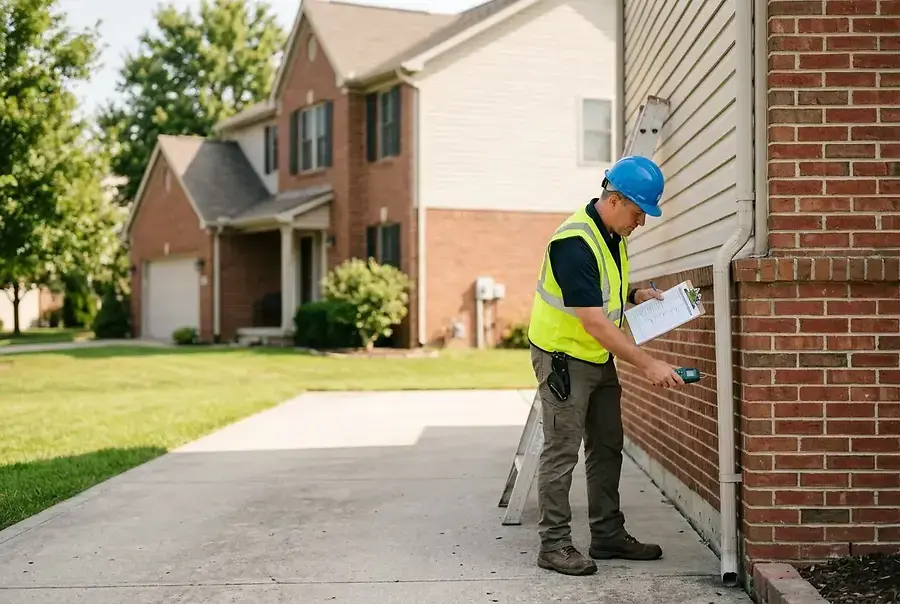
Understanding the Indianapolis Metro Home Inspection Process
When you list your home in the Indianapolis metro area, a professional home inspection is almost inevitable. Buyers want assurance that they're making a sound investment, and inspectors are trained to spot problems that might not be visible to the untrained eye. Understanding what happens during this process can help you prepare and address issues proactively.
A typical home inspection in the Indianapolis area takes 2-4 hours and covers the entire property—from the roof and foundation to the HVAC system, plumbing, and electrical components. Inspectors look for safety hazards, structural issues, and systems that may need repair or replacement. The resulting report can make or break a deal, so knowing what inspectors prioritize is essential for sellers.
What Inspectors Prioritize
Inspectors focus on issues that affect safety, functionality, and long-term durability. They're not looking for cosmetic flaws or minor wear and tear. Instead, they concentrate on systems and structures that could cost buyers thousands to repair or replace. Understanding these priorities helps you address the most critical issues first.
Common Defects Found in Local Properties and How to Fix Them
The Indianapolis metro area has unique climate and construction challenges that create specific inspection issues. Here are the most common red flags inspectors find:
Roof and Water Damage
Indiana's weather—with heavy snow, ice, and rain—takes a toll on roofs. Inspectors look for:
- Missing or damaged shingles
- Sagging roof lines
- Water stains in attics and ceilings
- Deteriorated flashing around chimneys and vents
How to fix it: Have a roofer inspect your roof before listing. Small repairs are inexpensive compared to replacing an entire roof. If your roof is nearing the end of its life, consider replacement before selling—it's a major selling point.
Foundation and Basement Issues
Many Indianapolis homes have basements, and foundation problems are a major concern. Common issues include:
- Cracks in the foundation (both horizontal and vertical)
- Water seepage or dampness
- Efflorescence (white mineral deposits)
- Bowing or leaning walls
How to fix it: Minor cracks can be sealed with concrete caulk. For water issues, ensure gutters are clean and downspouts direct water away from the foundation. Serious structural problems require professional assessment and may need disclosure to buyers.
HVAC System Problems
Heating and cooling systems are critical in Indiana's climate. Inspectors check:
- Age and condition of furnace and air conditioning units
- Proper ventilation and ductwork
- Carbon monoxide detectors (required for safety)
- Regular maintenance records
How to fix it: Have your HVAC system serviced and cleaned before inspection. If your system is over 15 years old, budget for replacement. A well-maintained system is a major asset.
Electrical and Plumbing Issues
Outdated or faulty systems create safety concerns and inspection red flags:
- Outdated aluminum wiring
- Insufficient grounding or GFCI outlets
- Galvanized or corroded pipes
- Slow drains or water pressure problems
How to fix it: Have a licensed electrician and plumber inspect these systems. Simple fixes like adding GFCI outlets are inexpensive. Major upgrades may be necessary for older homes.
Pest and Mold Issues
Indiana's humidity can lead to mold growth, and pests are a persistent problem:
- Visible mold or mildew
- Signs of termites, carpenter ants, or rodents
- Damaged wood or insulation
How to fix it: Address moisture problems by improving ventilation and drainage. Have a pest control professional inspect and treat if necessary. Mold remediation should be handled by certified professionals.
Preparing Your Home for Inspection: A Checklist for Sellers
Proactive preparation can prevent surprises during inspection. Use this checklist to get your home inspection-ready:
Interior Preparation
- Clean gutters and downspouts thoroughly
- Ensure all lights and outlets work properly
- Test all plumbing fixtures for leaks and proper drainage
- Check that doors and windows open and close smoothly
- Verify that all appliances function correctly
- Clear attic and basement access points
- Remove clutter from crawl spaces and storage areas
Exterior Preparation
- Inspect the roof from the ground for obvious damage
- Trim tree branches away from the roof and siding
- Repair any visible cracks in siding or foundation
- Ensure proper grading around the foundation
- Check that exterior doors and locks function properly
Documentation
- Gather maintenance records for HVAC, roof, and major repairs
- Compile receipts for recent upgrades or improvements
- Document any pest control treatments or inspections
- Keep records of water damage repairs or remediation
Navigating Inspection Results and Negotiating Repairs
Once the inspection is complete, you'll receive a detailed report. Here's how to handle it strategically:
Review the Report Carefully
Don't panic if the report lists issues. Every home has some problems. Focus on the major items that affect safety, functionality, or value. Minor cosmetic issues rarely derail sales.
Prioritize Your Response
You have several options when addressing inspection findings:
- Make repairs yourself: Best for minor issues you can fix quickly and affordably
- Offer a credit: Let buyers handle repairs themselves, reducing your out-of-pocket costs
- Negotiate a price reduction: Adjust the sale price to account for needed repairs
- Request professional estimates: Get quotes for major repairs to support your negotiation position
Stay Flexible and Professional
Inspection negotiations can be tense, but maintaining a collaborative approach keeps deals on track. Be transparent about known issues and willing to work with buyers on reasonable requests. Remember: a completed sale at a slightly lower price is better than a failed deal.
By understanding what inspectors look for, addressing issues proactively, and handling inspection results strategically, Indianapolis metro sellers can navigate the inspection process confidently and successfully close their sales.