Home Inspection Red Flags: What Rio Grande Valley Buyers Look For
Discover the critical inspection issues that affect property values and buyer confidence in McAllen, Edinburg, and surrounding South Texas communities.

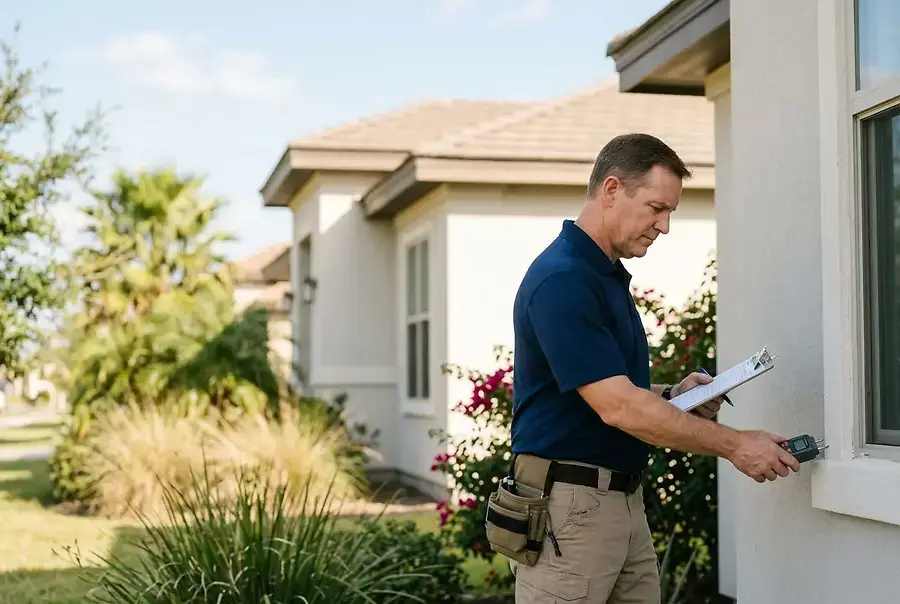
Why Home Inspections Matter in Rio Grande Valley Real Estate
In the competitive Rio Grande Valley real estate market, home inspections have become more critical than ever. Whether you're buying or selling property in McAllen, Edinburg, Mission, or surrounding South Texas communities, understanding what inspectors look for can make the difference between a successful transaction and a deal that falls apart.
A professional home inspection provides an objective assessment of a property's condition, identifying potential issues that could affect its value, safety, and livability. For buyers, it's a crucial step in making an informed investment decision. For sellers, addressing inspection issues proactively can prevent negotiations from derailing and demonstrate transparency that builds buyer confidence.
The Rio Grande Valley's unique climate and environmental conditions create specific challenges that inspectors and buyers pay close attention to. Understanding these regional concerns is essential for anyone involved in the local real estate market.
Common Structural and Environmental Red Flags in South Texas Homes
Water Damage and Moisture Issues
South Texas's humid subtropical climate makes water damage one of the most prevalent inspection concerns. Heavy rainfall, flooding risks, and high humidity levels create ideal conditions for moisture problems that can compromise a home's structural integrity.
- Foundation cracks and settling: Water infiltration can weaken foundations, leading to visible cracks and uneven settling that inspectors flag immediately.
- Roof leaks: Damaged or aging roofing materials allow water to penetrate attic spaces and interior walls, causing hidden damage that becomes expensive to repair.
- Mold and mildew: The warm, humid environment promotes mold growth, which poses health risks and indicates underlying moisture problems.
- Basement and crawlspace flooding: Properties in flood-prone areas or with poor drainage systems are major red flags for buyers concerned about long-term damage.
HVAC and Cooling System Problems
In a region where air conditioning is essential year-round, HVAC system failures are serious inspection concerns. Buyers expect reliable cooling systems, and aging or malfunctioning units can significantly impact property value.
- Outdated or inefficient units: Older air conditioning systems consume more energy and may not meet modern efficiency standards.
- Refrigerant leaks: Systems that lose refrigerant require expensive repairs and indicate poor maintenance.
- Inadequate ductwork: Poor duct design or deteriorated ducts reduce cooling efficiency and increase utility costs.
Electrical and Plumbing Deficiencies
Outdated electrical systems and aging plumbing infrastructure are common red flags in older Rio Grande Valley homes. These systems directly impact safety and functionality.
- Outdated wiring: Aluminum wiring or knob-and-tube systems pose fire hazards and may not support modern electrical demands.
- Inadequate electrical capacity: Homes with insufficient amperage for current appliances and technology create safety concerns.
- Corroded pipes: Galvanized or corroded plumbing leads to water quality issues and potential leaks.
- Poor drainage: Slow drains or improper grading around the foundation can indicate serious plumbing or structural problems.
Pest and Termite Damage
The warm South Texas climate provides ideal conditions for termites, wood-boring insects, and other pests. Inspectors carefully examine structural wood for signs of infestation.
- Termite damage: Hollow-sounding wood, mud tubes, or visible insect damage are immediate red flags that require professional pest assessment.
- Carpenter ant damage: These large ants tunnel through wood, weakening structural components.
- Rodent evidence: Droppings, gnaw marks, or nesting materials indicate pest problems that need addressing.
Roof and Exterior Concerns
The intense South Texas sun and occasional severe weather make roof condition a critical inspection point. Buyers want assurance that the roof will protect their investment for years to come.
- Missing or damaged shingles: Deteriorated roofing materials expose the home to water damage.
- Improper flashing: Poor installation around chimneys, vents, and skylights allows water infiltration.
- Sagging roof structure: This indicates structural problems that require immediate attention.
- Aging siding and exterior: Cracked, warped, or deteriorating exterior materials suggest poor maintenance and potential underlying damage.
How to Address Inspection Issues Before Listing Your Property
Conduct a Pre-Listing Inspection
Before putting your property on the market, hire a professional home inspector to identify issues before buyers do. This proactive approach allows you to address problems on your timeline and budget, rather than during tense negotiations.
Prioritize Critical Repairs
Focus on safety and structural issues first. Address electrical hazards, plumbing problems, roof leaks, and pest damage before cosmetic improvements. Buyers are willing to overlook minor aesthetic issues but won't overlook safety concerns or major structural problems.
Document Maintenance and Repairs
Keep detailed records of all maintenance, repairs, and upgrades you've completed. This documentation demonstrates that you've cared for the property and provides buyers with confidence about the home's condition. Include receipts for HVAC servicing, roof repairs, pest control treatments, and any major system replacements.
Make Strategic Improvements
Consider upgrades that address common Rio Grande Valley concerns, such as improving drainage around the foundation, upgrading to a more efficient air conditioning system, or installing a sump pump in flood-prone areas. These improvements show buyers that you understand regional challenges and have taken steps to protect the property.
Be Transparent in Disclosures
Texas real estate law requires sellers to disclose known defects. Rather than viewing this as a burden, use it as an opportunity to demonstrate honesty and build trust. Provide detailed information about any issues, the repairs you've made, and the steps you've taken to prevent future problems.
Building Trust and Confidence With Buyers Through Transparency
In the Rio Grande Valley real estate market, transparency is your greatest asset. Buyers who feel confident that a seller has been honest about a property's condition are more likely to move forward with a purchase, even if minor issues exist.
Address inspection concerns head-on. If an inspection reveals problems, don't become defensive. Instead, provide documentation of repairs, professional assessments, and preventive measures you've taken. This approach transforms potential deal-breakers into opportunities to demonstrate your commitment to the property's maintenance.
By understanding the red flags that Rio Grande Valley inspectors and buyers focus on, and by taking proactive steps to address these concerns, you can navigate the inspection process with confidence. Whether you're buying or selling in McAllen, Edinburg, Mission, or surrounding communities, knowledge about regional inspection issues is your key to success in this dynamic market.
The investment you make in addressing inspection red flags before listing—or the due diligence you conduct as a buyer—pays dividends in the form of a smoother transaction, better negotiating position, and greater peace of mind about your real estate investment.