Home Inspection Red Flags: What Sellers Should Address Before Listing
Discover common inspection issues that deter buyers and learn how to address them proactively before putting your property on the market.

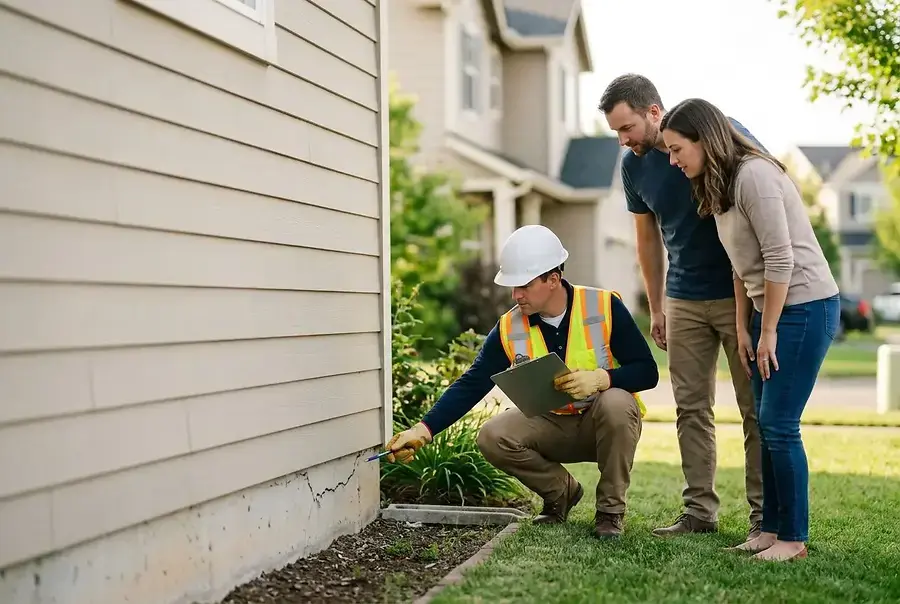
Why Home Inspection Results Impact Your Sale
A home inspection is one of the most critical steps in the real estate transaction process. When potential buyers schedule an inspection, they're looking for reassurance that their investment is sound. A failed inspection can be the difference between a successful sale and a property sitting on the market for months. Rather than waiting for inspection results to reveal problems, savvy sellers address issues proactively to attract serious buyers and command better prices.
Understanding what inspectors look for—and what concerns buyers most—gives you a significant advantage. By tackling red flags before listing, you demonstrate that your home has been well-maintained and is move-in ready. This confidence translates into faster sales and fewer negotiations over repairs.
Common Red Flags That Concern Home Inspectors and Buyers
Structural and Foundation Issues
Foundation problems are among the most serious concerns for buyers. Cracks in the foundation, settling, or water damage in basements can indicate costly repairs ahead. Inspectors will look for:
- Visible cracks in concrete or brick
- Uneven floors or sloping ceilings
- Water stains or moisture in basements and crawl spaces
- Gaps between walls and windows or doors
Roofing Problems
Your roof is your home's first line of defense against the elements. A deteriorating roof is a major red flag that can cost thousands to replace. Inspectors examine:
- Missing, cracked, or curling shingles
- Sagging roof lines
- Moss or algae growth
- Damaged flashing around chimneys and vents
- Signs of leaks in attics
Electrical System Concerns
Outdated or faulty electrical systems pose safety risks and are a significant concern for buyers. Common issues include:
- Outdated knob-and-tube wiring
- Insufficient outlets or overloaded circuits
- Improper grounding
- Aluminum wiring (a fire hazard)
- Tripped breakers or blown fuses
Plumbing Issues
Water damage and plumbing problems are expensive to fix and deeply concern buyers. Watch for:
- Slow drains or frequent clogs
- Water stains on ceilings or walls
- Corroded or deteriorating pipes
- Low water pressure
- Signs of mold or mildew
HVAC System Failures
Heating, ventilation, and air conditioning systems are essential for comfort. Inspectors will test these systems and look for:
- Age of the system (units over 15 years old raise concerns)
- Inadequate heating or cooling
- Strange noises or odors
- Lack of regular maintenance records
Pest Infestations and Mold
Evidence of termites, rodents, or mold is an immediate deal-breaker for many buyers. These issues suggest:
- Structural damage from pests
- Health hazards from mold exposure
- Ongoing maintenance problems
- Potential for expensive remediation
Poor Ventilation and Moisture Control
Inadequate ventilation in bathrooms and kitchens can lead to moisture buildup. This creates an environment where mold thrives and wood rot develops. Inspectors look for proper exhaust fans and moisture barriers.
How to Address Issues Before Putting Your Home on the Market
Conduct a Pre-Listing Inspection
Hire a professional home inspector before you list your property. This gives you the opportunity to address issues on your own terms rather than having them discovered during a buyer's inspection. A pre-listing inspection costs a few hundred dollars but can save you thousands in negotiation leverage.
Prioritize Major Repairs
Focus on structural, electrical, plumbing, and HVAC issues first. These are the systems that concern buyers most and can make or break a sale. Major repairs demonstrate that you've invested in your home's integrity.
Address Cosmetic Issues
While less critical than structural problems, cosmetic issues affect buyer perception. Paint over water stains, repair drywall damage, replace broken fixtures, and ensure all doors and windows operate smoothly. A well-maintained appearance suggests the home has been cared for overall.
Document All Repairs and Maintenance
Keep records of all work completed, including receipts and contractor information. Documentation proves that repairs were done professionally and recently, giving buyers confidence in your home's condition.
Improve Ventilation and Moisture Control
Install or upgrade exhaust fans in bathrooms and kitchens. Ensure proper grading around your foundation to direct water away from the house. Address any existing moisture issues before they become mold problems.
Get a Professional Pest Inspection
If you live in an area prone to termites or other pests, obtain a professional pest inspection and treatment certificate. This reassures buyers that your home is pest-free.
Schedule HVAC Maintenance
Have your heating and cooling systems professionally serviced and cleaned. Replace filters and ensure everything operates efficiently. A well-maintained HVAC system is a major selling point.
Selling Confidently with a Well-Maintained Home
Addressing home inspection red flags before listing your property positions you for success. You'll attract serious buyers, minimize negotiations over repairs, and potentially command a higher sale price. A proactive approach to home maintenance demonstrates pride of ownership and builds buyer confidence.
By understanding what inspectors and buyers look for, you can tackle issues strategically and present your home in the best possible light. The investment you make in repairs and maintenance now will pay dividends when it comes time to sell.
Remember: a well-maintained home isn't just more attractive to buyers—it's a reflection of your commitment to quality and care.
Don't let preventable issues derail your sale. Take action today, and you'll be well on your way to a smooth, successful transaction.