Home Inspection Reports: What They Reveal and How to Negotiate
Learn what inspectors look for and how to use their findings to negotiate repairs or credits before closing on your residential purchase.

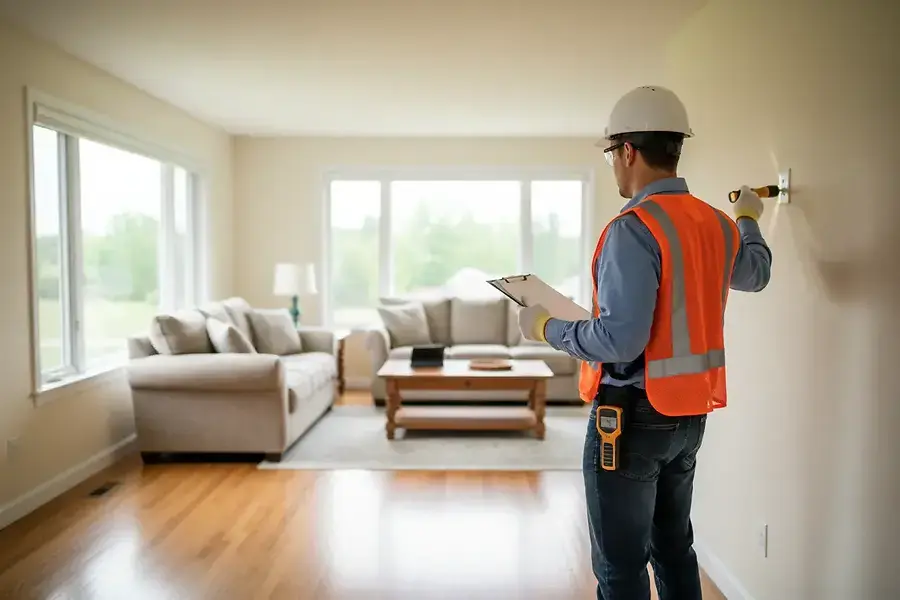
What Inspectors Examine: The Complete Property Walkthrough
A professional home inspection is one of the most critical steps in the home-buying process. During a thorough inspection, certified inspectors examine virtually every aspect of a residential property to identify potential issues that could affect its safety, functionality, and value.
Structural and Foundation Assessment
Inspectors begin by evaluating the foundation and structural integrity of the home. They look for signs of settling, cracks in the foundation, water damage, and structural movement. These issues can range from minor cosmetic concerns to serious problems that compromise the entire building's stability. The inspector will examine both the interior and exterior of the foundation, checking for moisture intrusion and signs of previous repairs.
Roofing and Exterior Systems
The roof is one of the most expensive components of a home to replace. Inspectors assess the condition of roofing materials, checking for missing or damaged shingles, proper ventilation, and signs of leaks. They also examine gutters, downspouts, siding, windows, doors, and the overall exterior envelope to ensure the home is properly protected from weather.
Mechanical Systems
A comprehensive inspection includes evaluation of all mechanical systems:
- HVAC Systems: Heating, ventilation, and air conditioning units are tested for proper operation and efficiency
- Plumbing: Water pressure, drainage, pipe condition, and water heater functionality are assessed
- Electrical: The panel, wiring, outlets, and safety features are examined for code compliance and safety hazards
Interior Components
Inspectors evaluate interior elements including flooring, walls, ceilings, insulation, and built-in appliances. They check for water damage, mold, pest infestations, and proper ventilation throughout the home.
Common Issues Found and Their Cost Implications
Minor Issues
Many homes have minor issues that don't significantly impact value or safety. These might include:
- Caulking and weatherstripping that needs replacement
- Interior paint touch-ups
- Loose cabinet hardware
- Minor plumbing leaks under sinks
These repairs typically cost between $100 and $500 to address.
Moderate Issues
Moderate issues require more attention and investment. Common findings include:
- Roof repairs or partial replacement ($1,000-$5,000)
- HVAC repairs or replacement ($2,000-$8,000)
- Water heater replacement ($1,000-$3,000)
- Electrical panel upgrades ($1,500-$4,000)
- Foundation cracks requiring sealing ($500-$3,000)
Major Issues
Major structural or system problems can significantly impact your negotiating position. These include:
- Extensive roof damage requiring full replacement ($8,000-$25,000+)
- Foundation problems requiring structural repair ($5,000-$50,000+)
- Mold remediation ($2,000-$10,000+)
- Plumbing or electrical system overhauls ($5,000-$20,000+)
- Termite or pest damage requiring treatment and repair ($1,000-$15,000+)
Negotiating Repairs, Credits, and Next Steps
Understanding Your Options
Once you receive the inspection report, you have several negotiation strategies available. The most common approaches include:
- Request Repairs: Ask the seller to complete repairs before closing
- Request Credits: Request a credit toward closing costs to handle repairs yourself
- Request Price Reduction: Negotiate a lower purchase price to account for needed repairs
- Walk Away: Use inspection findings as grounds to terminate the purchase if issues are severe
Developing Your Negotiation Strategy
Prioritize issues by severity and cost. Focus negotiations on major items that significantly impact the home's value or safety. Minor cosmetic issues are rarely worth negotiating over and can actually weaken your position on more important matters.
Obtain repair estimates from licensed contractors for significant issues. These estimates provide concrete numbers for your negotiations and demonstrate that you've done your homework. Sellers are more likely to take your requests seriously when backed by professional quotes.
Making Your Requests
Submit a written request for repairs or credits within the timeframe specified in your purchase agreement. Be specific about which items you're requesting and include supporting documentation. Keep your tone professional and reasonable—aggressive demands often backfire.
"The inspection report is your roadmap to making an informed decision about the property. Use it strategically to protect your investment while maintaining a cooperative relationship with the seller."
When Negotiations Stall
If the seller refuses your requests or offers inadequate concessions, you have options. You can accept the property as-is, submit a revised request with adjusted expectations, or invoke your inspection contingency to withdraw from the purchase. Your real estate agent and attorney can provide guidance based on your specific situation and local market conditions.
Protecting Your Investment Through Informed Decisions
The Importance of Taking Inspections Seriously
Never skip a home inspection to save money. The inspection fee—typically $300-$500—is a small investment compared to the potential costs of undiscovered problems. An inspection protects you from inheriting expensive surprises after closing.
Beyond the Standard Inspection
Consider specialized inspections for specific concerns. If the home is older, a pest inspection might reveal termite damage. If you're in a flood-prone area, a foundation and water intrusion specialist can assess risks. These additional inspections cost extra but provide valuable peace of mind.
Making Your Final Decision
Use the inspection report as one tool among many in your decision-making process. Consider the home's overall condition, your budget for repairs, and the property's long-term value. A home with some issues at the right price might be a better investment than a perfect home at a premium price.
Remember: Every home has some issues. The goal is to understand what you're buying and negotiate fairly based on that knowledge. Armed with a thorough inspection report and a strategic approach to negotiations, you can move forward with confidence in your home purchase.


