Home Inspections for Residential Buyers: Essential Knowledge You Need
Discover the critical inspection points that protect your investment and reveal hidden property issues before closing.

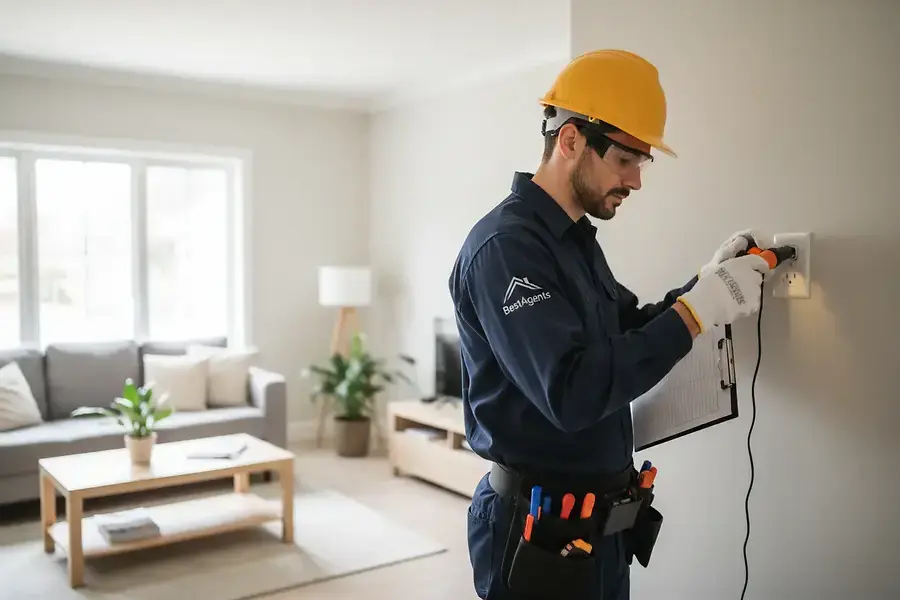
Why Professional Home Inspections Matter for Residential Buyers
Purchasing a home is one of the most significant financial decisions you'll make in your lifetime. While it's easy to fall in love with a property's aesthetics, what lies beneath the surface matters far more. A professional home inspection is your safeguard against costly surprises and hidden defects that could compromise your safety and drain your wallet.
Many buyers skip or rush through inspections to close deals quickly, but this approach can be financially devastating. A thorough inspection typically costs between $300 and $500, yet it can reveal issues worth thousands of dollars in repairs. Think of it as insurance for your investment—a small upfront cost that protects you from major problems down the road.
Professional inspectors bring expertise that untrained eyes simply cannot detect. They understand building codes, structural integrity, and system functionality in ways that real estate agents and homeowners cannot. Their detailed reports provide you with concrete evidence to negotiate repairs, request credits, or walk away from a problematic property altogether.
Key Areas Inspectors Examine: Foundation, Roof, Electrical, and Plumbing Systems
Foundation and Structural Integrity
The foundation is literally what holds your home together. Inspectors look for cracks, settling, water damage, and signs of structural movement. Even small cracks can indicate serious problems that may require expensive repairs. They examine basement walls, crawl spaces, and the overall stability of the structure to ensure the home won't develop catastrophic issues.
Roof Condition and Longevity
Your roof is your home's first line of defense against the elements. Inspectors assess shingle condition, flashing integrity, ventilation, and overall remaining lifespan. A roof nearing the end of its life can cost $10,000 to $25,000 to replace, making this one of the most critical inspection areas. They'll check for water stains, missing shingles, and proper drainage systems.
Electrical Systems
Faulty electrical systems pose serious safety risks, including fire hazards. Inspectors examine:
- Panel capacity and condition
- Grounding and bonding systems
- Outlet functionality and safety features
- Wiring age and condition
- Compliance with current electrical codes
Outdated wiring or overloaded circuits are common issues in older homes that can require significant upgrades to meet modern safety standards.
Plumbing Systems
Water damage is one of the costliest issues homeowners face. Inspectors test water pressure, check for leaks, examine pipe materials, and assess the water heater's condition. They look for signs of corrosion, improper installation, and drainage problems that could lead to mold, structural damage, and expensive repairs.
Red Flags to Watch For: Common Issues That Affect Property Value and Safety
Water Damage and Mold
Water intrusion is a silent destroyer. Look for stains on ceilings, walls, and around windows. Mold growth indicates moisture problems that require immediate attention. These issues can affect your health and require costly remediation. Inspectors will identify the source of moisture and extent of damage.
HVAC System Problems
Heating, ventilation, and air conditioning systems are expensive to replace. Inspectors check age, functionality, and maintenance history. An aging system nearing replacement can cost $5,000 to $10,000 to install, which should factor into your offer price.
Pest Infestations and Termite Damage
Termites and other pests can cause structural damage that weakens your home's integrity. Wood damage from pest infestations may not be visible without professional inspection. This is why many buyers request separate pest inspections in addition to general home inspections.
Code Violations and Unpermitted Work
Additions, renovations, or modifications made without proper permits can create liability issues and safety concerns. Inspectors identify work that doesn't meet current building codes, which may require expensive corrections before you can sell the property later.
Asbestos and Lead Paint
Homes built before the 1980s may contain asbestos in insulation, flooring, and other materials. Similarly, lead paint in older homes poses health risks, especially for children. While inspectors may identify these hazards, specialized testing is often necessary to confirm presence and extent.
Using Inspection Reports to Negotiate and Make Confident Purchasing Decisions
Once you receive the inspection report, you have several options. Don't panic if minor issues appear—every home has some problems. The key is determining which issues are deal-breakers and which are manageable.
Negotiation strategies include:
- Request repairs: Ask the seller to fix significant issues before closing
- Request credits: Negotiate a price reduction to cover repair costs yourself
- Request re-inspection: Verify that repairs were completed properly
- Walk away: If issues are too extensive, you may decide the property isn't worth the risk
Use the inspection report as your negotiating tool. Sellers are often more willing to address issues when presented with professional documentation. This protects both parties and ensures transparency in the transaction.
A thorough home inspection empowers you to make informed decisions based on facts, not emotions. It transforms the buying process from a leap of faith into a calculated investment decision.
Remember, the inspection period is your opportunity to uncover problems before you're legally obligated to purchase. Take this window seriously, review the report carefully, and don't hesitate to ask your inspector questions about any findings. Your future self will thank you for the diligence you invest today.