Home Inspections in Bend: A Buyer's Complete Guide to Protecting Your Investment
Learn what to expect during the inspection process and how to identify potential issues before closing on your Bend home.

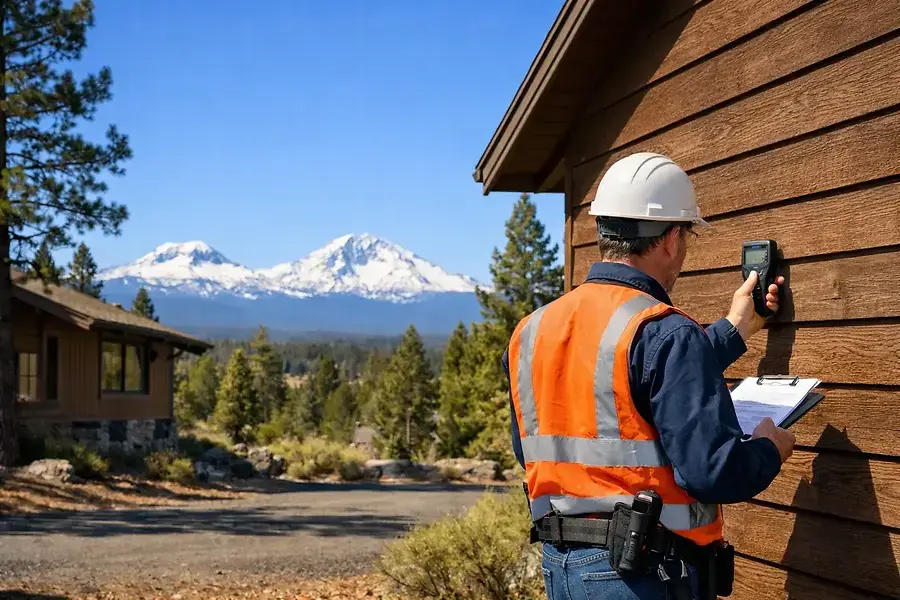
Why Home Inspections Are Critical for Bend Buyers
Purchasing a home in Bend is one of the most significant financial decisions you'll make. A professional home inspection is your safeguard against costly surprises after closing. In Central Oregon's unique climate and terrain, homes face specific challenges that require expert evaluation. An inspection provides you with detailed knowledge about your potential property's condition, allowing you to negotiate repairs, request credits, or make an informed decision about whether to proceed with the purchase.
Many buyers underestimate the value of a thorough inspection. What appears charming on the surface may hide structural issues, outdated systems, or damage from Bend's freeze-thaw cycles. A certified inspector acts as your advocate, identifying problems that could cost thousands to repair later. This investment in due diligence typically costs between $300-$500 but can save you from purchasing a property with hidden defects.
What Professional Inspectors Look For in Central Oregon Homes
Structural Components and Foundation
Inspectors begin by examining your home's foundation, walls, and overall structural integrity. In Bend, homes built on volcanic rock or clay soil may experience settling or shifting. Inspectors look for cracks in the foundation, uneven floors, and signs of water damage that could indicate foundation problems. They assess the condition of exterior walls, roof structure, and support beams to ensure your home's skeleton is sound.
Roofing and Exterior Systems
Bend's high elevation and variable weather patterns put significant stress on roofing systems. Inspectors evaluate roof condition, checking for missing shingles, leaks, proper ventilation, and flashing integrity. They also examine gutters, downspouts, siding, windows, and doors. The exterior is your home's first line of defense against the elements, making this assessment crucial for long-term protection.
Plumbing and Water Systems
Water quality and plumbing functionality are essential in Central Oregon. Inspectors test water pressure, check for leaks, examine pipe materials, and assess water heater condition. They verify that septic systems or municipal connections function properly. Hard water issues common to the region are noted, as they can affect appliances and fixtures over time.
Electrical Systems and Safety
A thorough electrical inspection ensures your home meets current safety codes. Inspectors examine the main panel, circuit breakers, outlets, and wiring. They verify proper grounding and identify outdated systems that may need upgrading. This assessment protects your family from electrical hazards and ensures your home can handle modern electrical demands.
Heating and Cooling Systems
Given Bend's cold winters, heating systems are critical. Inspectors evaluate furnaces, heat pumps, and alternative heating sources for efficiency and safety. They check ductwork, insulation, and ventilation systems. Proper heating functionality directly impacts your comfort and utility costs throughout the year.
Interior Components and Appliances
Inspectors examine walls, ceilings, floors, and interior doors for damage or defects. They test built-in appliances, check cabinet functionality, and assess bathroom and kitchen conditions. They look for signs of pest damage, mold, or previous water intrusion that might not be immediately visible.
Understanding Common Issues in Bend Properties and Solutions
Freeze-Thaw Damage
Bend's temperature fluctuations cause water to expand and contract in cracks and crevices. This creates foundation cracks, damaged concrete, and compromised siding. Solution: Proper drainage, sealed cracks, and regular maintenance prevent progression. Budget for repairs if significant damage exists.
Dry Climate and Wood Shrinkage
Central Oregon's low humidity causes wood to shrink, leading to gaps in flooring, cracked drywall, and door misalignment. Solution: Whole-home humidifiers help maintain proper moisture levels. Minor cosmetic issues may not require immediate attention, but structural concerns need addressing.
Hard Water Deposits
High mineral content in Bend's water creates buildup in pipes and appliances. Solution: Water softening systems or filters reduce mineral accumulation. This investment protects your plumbing and extends appliance lifespan.
Outdated Electrical Systems
Older Bend homes may have aluminum wiring or insufficient panel capacity. Solution: Upgrading to modern copper wiring and expanding electrical capacity ensures safety and supports contemporary power needs. This is a worthwhile investment for older properties.
Inadequate Insulation
Many homes built before modern energy standards lack sufficient insulation for Bend's climate. Solution: Adding insulation to attics, walls, and crawl spaces significantly reduces heating costs and improves comfort. This upgrade pays for itself through energy savings.
Roof Age and Weather Damage
Bend's intense sun and variable weather age roofing materials quickly. Solution: If your inspection reveals a roof nearing the end of its lifespan, budget for replacement. A new roof is a major expense but essential for protecting your entire home.
Using Inspection Results to Make Confident Purchasing Decisions
After receiving your inspection report, you have several options. Request repairs: Ask the seller to fix significant issues before closing. Request credits: Negotiate a reduction in purchase price to cover repairs you'll handle yourself. Walk away: If major problems exist and the seller won't negotiate, you may decide the property isn't right for you.
Work with your real estate agent to prioritize issues. Not every finding requires action—some are minor maintenance items. Focus on structural problems, safety hazards, and systems that significantly impact livability. Get contractor quotes for major repairs to understand true costs.
A professional home inspection transforms you from a hopeful buyer into an informed one. In Bend's unique environment, understanding your home's condition before purchase protects your investment and ensures you're making a decision based on facts, not assumptions. Take the inspection process seriously, ask questions, and use the results to negotiate confidently toward closing day.


