Home Inspections in East Greenwich: What Buyers Need to Know
Discover what professional inspectors examine and how to protect your investment before closing.

Understanding the Home Inspection Process
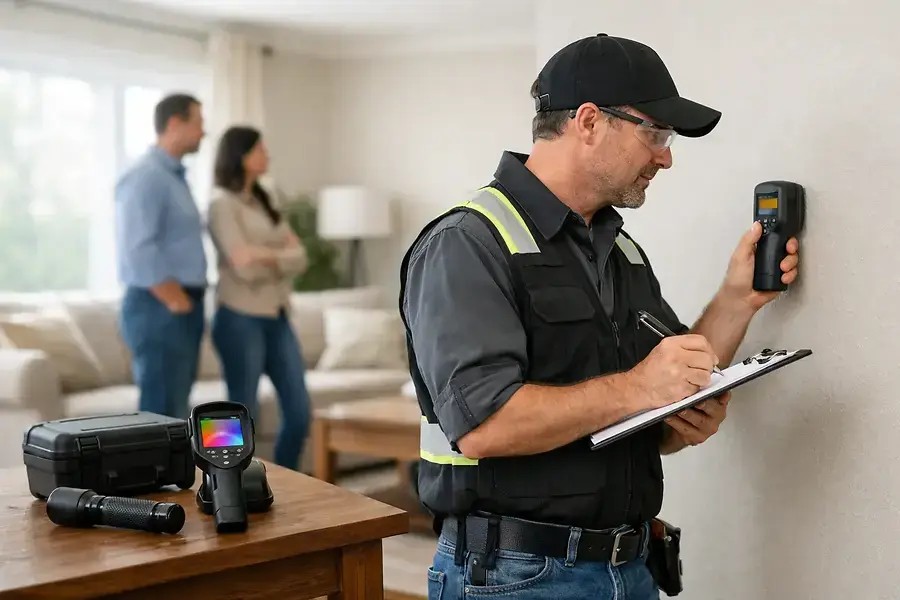
A home inspection is one of the most critical steps in the home buying process. This comprehensive evaluation by a licensed professional examines the structural integrity, mechanical systems, and overall condition of a property. In East Greenwich, where homes range from historic colonial properties to modern constructions, understanding what inspectors look for can help you make an informed decision.
During a typical inspection, which usually lasts two to three hours, the inspector will examine:
- Structural components - Foundation, walls, roof, and framing
- Exterior elements - Siding, windows, doors, and drainage systems
- Roofing and attic - Shingles, flashing, ventilation, and insulation
- Plumbing systems - Pipes, fixtures, water pressure, and drainage
- Electrical systems - Panels, wiring, outlets, and safety features
- HVAC systems - Heating, cooling, and ventilation equipment
- Interior spaces - Walls, ceilings, floors, and built-in appliances
Most inspectors provide a detailed written report within 24 to 48 hours, complete with photographs and recommendations for repairs or further evaluation.
Common Issues Found in East Greenwich Properties
Age-Related Concerns
East Greenwich has a rich history, and many properties reflect that heritage. Older homes often present unique challenges that inspectors frequently encounter. Outdated electrical systems, aging plumbing, and deteriorating roofing materials are common findings in properties built before the 1980s. These issues don't necessarily mean you should walk away—they simply require budgeting for updates and repairs.
Water Damage and Moisture Issues
Given Rhode Island's coastal climate and seasonal weather patterns, water intrusion is a prevalent concern. Inspectors look for signs of water damage in basements, crawl spaces, and attics. Proper grading, functioning gutters, and adequate drainage systems are essential to prevent costly water-related problems down the road.
HVAC and Insulation Deficiencies
Many East Greenwich homes lack adequate insulation or have aging heating and cooling systems. These issues directly impact energy efficiency and monthly utility costs. An inspector will note the condition of HVAC equipment and recommend replacements if systems are nearing the end of their lifespan.
Roof Condition
The roof is one of the most expensive components to replace. Inspectors carefully evaluate shingle condition, flashing integrity, and overall structural soundness. In East Greenwich, where weather can be harsh, roof inspections are particularly important.
How to Review and Respond to Inspection Reports
Understanding the Report Format
Inspection reports typically categorize findings into three levels: major issues requiring immediate attention, minor issues that should be addressed eventually, and maintenance recommendations for ongoing care. Take time to read the entire report carefully and don't hesitate to ask your inspector to clarify any findings.
Prioritizing Issues
Not all inspection findings are created equal. Focus on issues that affect safety, structural integrity, or major systems. A cracked foundation or faulty electrical panel requires immediate attention, while cosmetic issues like paint or landscaping are less urgent. Create a prioritized list of repairs based on severity and cost.
Getting Second Opinions
For significant findings, consider hiring specialists. If the inspector identifies potential foundation problems, roof damage, or HVAC concerns, getting a second opinion from a specialist in that area can provide valuable insight and more accurate repair estimates.
"The inspection report is your roadmap to understanding the true condition of your potential home. Use it wisely to make informed decisions about your investment."
Negotiation Strategy
Armed with your inspection report, you have leverage in negotiations. You can request that the seller:
- Make repairs before closing
- Provide credits toward repairs you'll handle yourself
- Reduce the purchase price to account for necessary work
- Provide warranties or guarantees on major systems
Your real estate agent can help you determine which approach makes the most sense based on the local market and the severity of issues found.
Next Steps: Using Inspection Results in Negotiations
Timing Your Response
Most purchase agreements include an inspection contingency period—typically 7 to 10 days. Use this time wisely to thoroughly review the report and consult with professionals if needed. Communicate your concerns to the seller promptly to allow time for negotiation.
Making Your Case
When presenting repair requests or price reduction proposals, use specific language from the inspection report and include contractor estimates for major repairs. This data-driven approach strengthens your negotiating position and demonstrates that your requests are reasonable and well-founded.
Knowing When to Walk Away
Sometimes, inspection results reveal problems that are too costly or extensive to justify the purchase. If major structural issues, significant water damage, or other serious problems emerge, it may be wise to exercise your inspection contingency and continue your search. Your home inspection protects you from making a costly mistake.
Final Walkthrough
Before closing, conduct a final walkthrough to verify that any agreed-upon repairs have been completed satisfactorily. Confirm that the property condition matches what was documented in the inspection report and that no new issues have emerged.
A thorough home inspection is an investment in your peace of mind and financial security. By understanding the inspection process, recognizing common issues in East Greenwich properties, and using the results strategically, you can protect your investment and move forward with confidence in your home purchase.


