Home Inspections in Pinellas County: A Buyer's Complete Guide
Discover the critical inspection points that protect your residential investment in Florida's most sought-after beach communities.

Understanding the Pinellas County Home Inspection Process
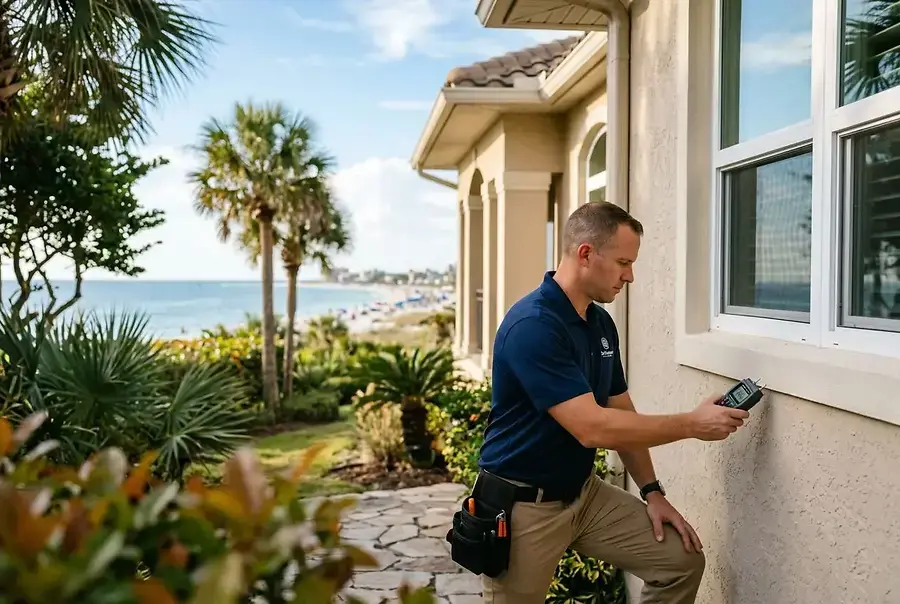
Purchasing a home in Pinellas County is an exciting milestone, but it comes with significant financial responsibility. A professional home inspection is one of the most critical steps in the buying process, serving as your safeguard against costly surprises after closing. In Pinellas County, home inspections typically take 2-4 hours and involve a thorough examination of the property's structural, mechanical, and electrical systems.
The inspection process begins when you, as the buyer, hire a licensed home inspector to evaluate the property. In Florida, inspectors must be licensed and insured, ensuring they meet state standards. During the inspection, the professional will examine everything from the roof and foundation to plumbing, electrical systems, HVAC units, and appliances. The inspector will document their findings in a detailed report, which becomes your roadmap for making informed decisions about the property.
What Happens During a Standard Inspection
A comprehensive home inspection covers both the interior and exterior of the property. Inspectors will check the roof condition, gutters, and drainage systems, which are particularly important in Pinellas County due to our tropical climate and occasional severe weather. They'll examine the foundation for cracks or settling issues, inspect all walls and ceilings for water damage, and test every electrical outlet and switch. The HVAC system, water heater, and plumbing fixtures all receive careful attention, as these systems are essential for comfortable living in Florida's warm climate.
Why Pinellas County Properties Require Special Attention
Pinellas County's unique coastal environment presents specific inspection considerations. Properties near the beach face salt air corrosion, which can affect metal components and exterior finishes. The high water table in many areas increases the risk of moisture intrusion and mold growth. Additionally, older homes in popular communities like Clearwater, St. Petersburg, and Largo may have outdated electrical systems or plumbing that doesn't meet current codes. Understanding these regional factors helps you ask the right questions during your inspection.
Common Issues Found in Pinellas Residential Properties
Knowing what problems inspectors typically find in Pinellas County homes helps you prepare for potential negotiations. Some issues are minor cosmetic concerns, while others can significantly impact your investment and safety.
Water Damage and Moisture Issues
Water intrusion is the most common problem found in Pinellas County inspections. This can manifest as roof leaks, foundation cracks allowing water seepage, or damaged window seals. Moisture problems often lead to mold growth, which poses health risks and requires professional remediation. Inspectors will look for water stains on ceilings and walls, soft spots in flooring, and signs of previous water damage that may have been inadequately repaired.
Roof and Exterior Concerns
The intense Florida sun and occasional hurricanes take their toll on roofing materials. Inspectors will assess shingle condition, flashing integrity, and overall roof age. Many Pinellas homes have flat roofs, which require special attention to drainage and membrane integrity. Exterior paint, siding, and trim deterioration is also common due to salt air exposure and UV damage.
HVAC and Electrical Systems
Air conditioning systems work overtime in Florida, and many older units are nearing the end of their lifespan. Inspectors evaluate cooling capacity, refrigerant levels, and overall system efficiency. Electrical systems in older homes may have outdated panels, insufficient capacity for modern appliances, or safety concerns like aluminum wiring. These issues often require professional upgrades to meet current code requirements.
Plumbing and Water Quality
Corroded pipes, low water pressure, and outdated plumbing materials are frequently discovered during inspections. Some older Pinellas homes still have galvanized steel pipes that are prone to rust and mineral buildup. Inspectors will test water pressure, check for leaks, and assess the condition of visible plumbing components.
How to Work with Inspectors and Review Reports
Selecting the right inspector and understanding their report is crucial to making an informed purchase decision.
Choosing a Qualified Inspector
Look for inspectors who are licensed by the Florida Department of Business and Professional Regulation (DBPR). Ask for references from recent clients and verify their experience with Pinellas County properties. A good inspector should be willing to explain findings in detail and answer your questions thoroughly. Consider hiring an inspector who specializes in older homes if you're purchasing a vintage property in areas like Historic Roser Park or Snell Isle.
Attending the Inspection
Always attend the home inspection if possible. This gives you the opportunity to ask questions, understand issues firsthand, and learn about the home's systems and maintenance requirements. The inspector can point out areas needing attention and explain the severity of various issues. This personal interaction often provides more valuable insights than the written report alone.
Understanding Your Inspection Report
Inspection reports typically categorize findings as critical, major, or minor issues. Critical items require immediate attention for safety or functionality, while major issues should be addressed soon to prevent further damage. Minor issues are cosmetic or low-priority concerns. The report should include photographs, detailed descriptions, and recommendations for each finding. Take time to research any unfamiliar terms or systems mentioned in the report.
Using Inspection Results to Negotiate and Close Your Deal
The inspection report is your leverage in negotiations with the seller. Armed with detailed findings, you can make strategic decisions about your offer.
Repair Requests and Credits
After reviewing the inspection report, you have several options. You can request that the seller make repairs before closing, ask for a credit toward repairs you'll handle yourself, or request a price reduction. Focus your negotiations on critical and major issues that affect safety, functionality, or long-term property value. Sellers are more likely to negotiate on significant structural or system problems than cosmetic issues.
Getting Contractor Estimates
For major issues, obtain written estimates from licensed contractors before negotiating. This gives you concrete numbers to present to the seller and ensures you're not overestimating repair costs. In Pinellas County, where specialized contractors handle coastal property concerns, getting multiple quotes is especially important.
Making Your Final Decision
Remember that no home is perfect. Decide which issues are deal-breakers and which you can accept or address after purchase. Consider the overall condition of the property, its location, and your long-term plans. A thorough inspection protects your investment and gives you the confidence to move forward with your Pinellas County home purchase.
The inspection process is your opportunity to make an informed decision about one of the largest investments of your life. By understanding what inspectors look for, knowing common Pinellas County issues, and effectively using the inspection report in negotiations, you're taking control of your home buying journey and protecting your financial future in Florida's beautiful beach communities.