Home Inspections in Tallahassee: A Buyer's Complete Guide to Protecting Your Investment
Learn what professional inspectors look for and how to use inspection reports to negotiate repairs and make confident purchasing decisions.

Why Home Inspections Are Critical in Tallahassee's Real Estate Market
Purchasing a home is one of the most significant financial decisions you'll make in your lifetime. In Tallahassee's competitive real estate market, a professional home inspection is your safeguard against costly surprises and hidden defects. A thorough inspection provides an objective assessment of a property's condition, helping you understand exactly what you're buying before you sign on the dotted line.
Many first-time homebuyers underestimate the importance of inspections, viewing them as an optional expense. However, skipping this crucial step can lead to thousands of dollars in unexpected repairs after closing. In Tallahassee, where properties face unique environmental challenges including humidity, termites, and weather-related wear, inspections are particularly essential. They give you leverage in negotiations and peace of mind knowing you've made an informed decision.
Key Areas Inspectors Examine: Florida-Specific Concerns and Climate Risks
Structural Integrity and Foundation Issues
Tallahassee's sandy soil and high water table create unique foundation challenges. Inspectors carefully examine foundations for cracks, settling, and water damage. They look for signs of structural movement that could indicate serious problems requiring expensive repairs.
Roof Condition and Weather Damage
Florida's intense sun, heavy rains, and occasional severe weather make roof inspections critical. Inspectors assess:
- Shingle condition and signs of deterioration
- Proper drainage and gutter functionality
- Flashing around chimneys and vents
- Evidence of previous repairs or patches
Moisture and Mold Detection
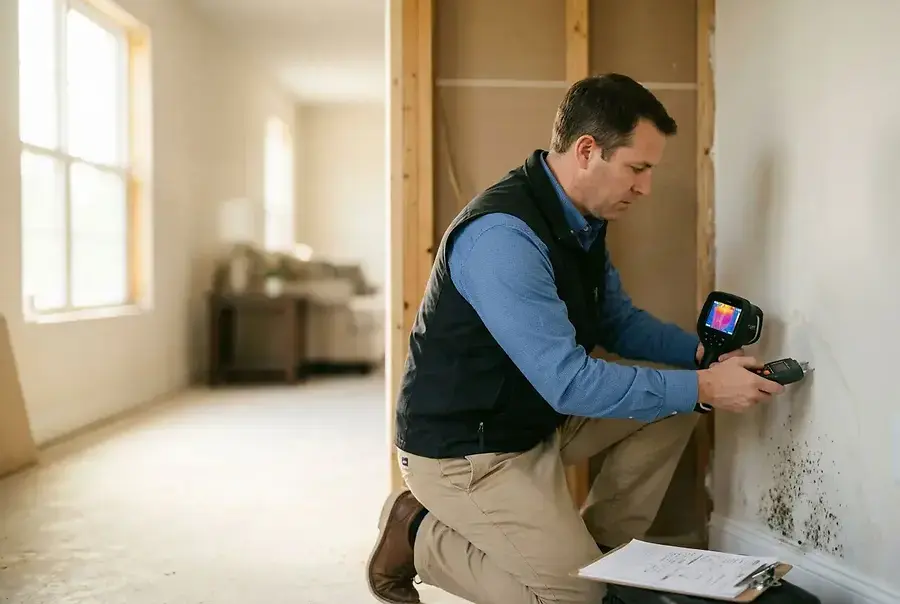
Tallahassee's humid climate creates ideal conditions for mold growth. Professional inspectors use moisture meters and thermal imaging to detect hidden moisture in walls, attics, and crawl spaces. This is one of the most critical inspections for Florida properties, as mold remediation can be extremely costly.
Pest and Termite Concerns
Termites are a major concern in Florida. While a separate termite inspection is often required by lenders, general home inspectors also note signs of pest damage, including:
- Wood damage and hollow-sounding wood
- Mud tubes on foundations
- Evidence of previous pest treatments
HVAC and Electrical Systems
In Tallahassee's warm climate, air conditioning systems work overtime. Inspectors evaluate the age, condition, and efficiency of HVAC units. They also examine electrical systems for outdated wiring, improper installations, and safety hazards that could pose fire risks.
Plumbing and Water Systems
Inspectors test water pressure, check for leaks, and examine pipes for corrosion. They also verify that the water heater is functioning properly and assess the overall condition of the plumbing system.
Understanding Inspection Reports and Identifying Red Flags
What to Expect in Your Inspection Report
A comprehensive inspection report typically includes detailed findings organized by system and area of the home. Reports usually contain photographs, descriptions of issues found, and recommendations for repairs or further evaluation. Most inspectors use a severity rating system to categorize findings.
Recognizing Major Red Flags
Critical issues that warrant serious consideration include:
- Foundation problems: Significant cracks, settling, or water intrusion
- Roof damage: Extensive deterioration or structural issues requiring replacement
- Mold or moisture: Active mold growth or widespread moisture damage
- Electrical hazards: Outdated wiring, improper installations, or fire risks
- Plumbing issues: Corroded pipes, major leaks, or sewage problems
- HVAC failure: Non-functional air conditioning or heating systems
Minor Issues vs. Major Concerns
Not every finding in an inspection report is a deal-breaker. Minor issues like worn caulking, small cosmetic damage, or aging fixtures are normal in any home. The key is distinguishing between routine maintenance items and serious structural or safety concerns that could affect your decision or negotiating position.
Pro tip: Ask your inspector to clarify which items are maintenance-related versus structural concerns. This helps you prioritize what truly matters.
Negotiating Repairs and Using Inspections to Finalize Your Purchase
Leveraging Inspection Findings in Negotiations
Once you receive your inspection report, you have several options for addressing identified issues. You can request that the seller make repairs before closing, ask for a credit toward repairs you'll handle yourself, or request a price reduction to account for the cost of repairs.
When negotiating, consider:
- The cost of repairs compared to the home's purchase price
- Whether the seller is likely to make quality repairs
- Your comfort level handling repairs yourself
- The urgency of addressing each issue
Creating a Repair Request Strategy
Rather than requesting repairs for every minor finding, focus on significant issues that affect safety, functionality, or structural integrity. This approach is more likely to be accepted by sellers and demonstrates that you're being reasonable. Prioritize items that are expensive to repair or that affect the home's livability.
Final Walk-Through Before Closing
Before closing, conduct a final walk-through to verify that agreed-upon repairs have been completed satisfactorily. Ensure that any items the seller promised to address have been properly handled. This is your last opportunity to catch any issues before you take ownership.
Moving Forward with Confidence
A thorough home inspection and thoughtful use of the inspection report empowers you to make confident purchasing decisions. Whether you're buying your first home in Tallahassee or your fifth, understanding what inspectors look for and how to interpret their findings protects your investment and ensures you're getting fair value for your money.
Remember: A home inspection isn't just about finding problems—it's about understanding the property you're about to purchase and making an informed decision that aligns with your needs and budget.