Home Inspections: Protecting Your Real Estate Investment in Springfield and Nixa
Understanding what professional inspectors look for and why this critical step matters before closing on your property.

Why Home Inspections Matter for Buyers
Purchasing a home is one of the most significant financial decisions you'll make in your lifetime. Whether you're buying in Springfield or Nixa, a professional home inspection is your best defense against costly surprises after closing. Many first-time homebuyers underestimate the importance of this critical step, viewing it as an optional expense rather than a necessary investment in their future.
A thorough home inspection provides you with an independent, professional assessment of your property's condition. This detailed report becomes your roadmap for understanding what you're actually purchasing—not just the aesthetics and layout, but the underlying systems that keep your home functioning safely and efficiently. Without this knowledge, you could inherit serious problems that cost thousands of dollars to repair.
The bottom line: A home inspection protects your investment by revealing issues before you're legally bound to the purchase, giving you leverage to negotiate repairs, request credits, or walk away if problems are too severe.
What Professional Inspectors Examine: Structural Systems, Electrical, Plumbing, and More
Structural Integrity
Professional inspectors begin by evaluating the foundation and overall structural soundness of your home. They look for cracks in the foundation, signs of settling, water damage, and structural deterioration. In Springfield and Nixa, where homes range from historic properties to newer constructions, foundation issues can vary significantly. Inspectors check for proper grading around the foundation to ensure water drains away from the home, preventing costly basement flooding.
Roofing and Exterior
Your roof is your home's first line of defense against the elements. Inspectors examine shingles, flashing, gutters, and downspouts for signs of wear, damage, or improper installation. They assess the roof's remaining lifespan and identify any areas prone to leaking. The exterior walls, windows, doors, and siding are also evaluated for weatherproofing and structural integrity.
Electrical Systems
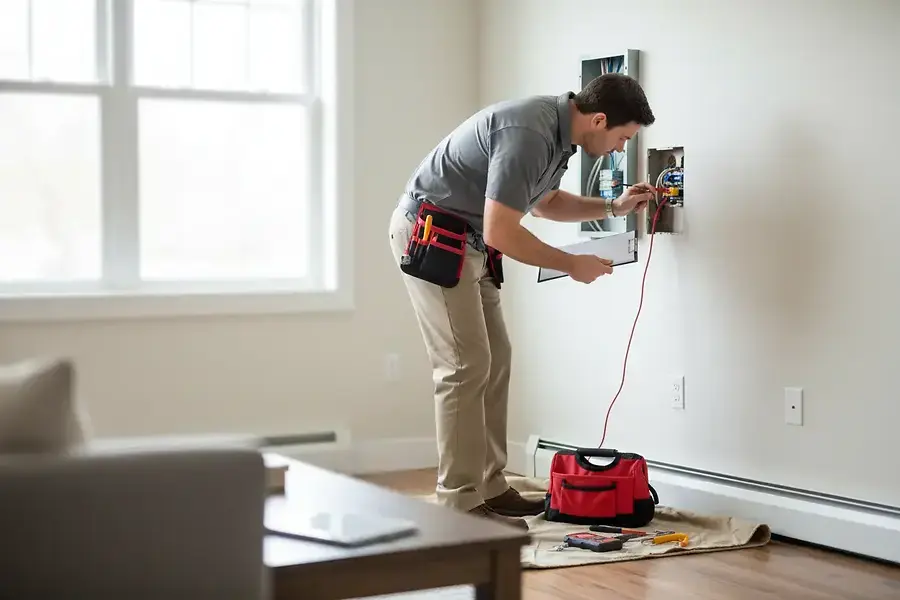
A comprehensive electrical inspection is crucial for safety. Inspectors test outlets, switches, and the main electrical panel to ensure everything meets current safety codes. They look for outdated wiring, improper grounding, overloaded circuits, and potential fire hazards. This is particularly important in older homes where electrical systems may not meet modern standards.
Plumbing and Water Systems
Inspectors evaluate water pressure, drainage, and the condition of pipes throughout the home. They check for leaks, corrosion, and proper venting. Water heaters are tested for age, condition, and functionality. In areas like Springfield and Nixa, inspectors also assess well systems and septic tanks if applicable, ensuring they're functioning properly.
HVAC Systems
Heating, ventilation, and air conditioning systems are tested for proper operation and efficiency. Inspectors check furnaces, air conditioners, thermostats, and ductwork. They assess the age of equipment and estimate remaining lifespan, helping you budget for future replacements.
Additional Areas
Professional inspectors also examine:
- Insulation and ventilation in attics and crawl spaces
- Basement or crawl space conditions
- Appliances included in the sale
- Doors, windows, and locks
- Decks, patios, and porches
- Potential pest damage or infestations
Red Flags and Negotiation Strategies When Inspection Issues Arise
Common Red Flags
When your inspection report arrives, certain findings warrant serious attention. Major red flags include:
- Foundation problems: Cracks, settling, or water intrusion indicate expensive repairs ahead
- Roof damage: Missing shingles, leaks, or nearing end-of-life means imminent replacement costs
- Electrical hazards: Outdated panels, improper wiring, or code violations pose safety risks
- Plumbing issues: Corroded pipes, leaks, or failed septic systems require immediate attention
- Mold or water damage: These indicate moisture problems that can spread and cause health issues
- Pest damage: Termite or rodent damage can compromise structural integrity
Negotiation Strategies
Once you have your inspection report, you have several options. First, prioritize issues by severity and cost. Not every finding requires action—minor cosmetic issues are typically the buyer's responsibility. Focus on significant problems that affect safety, functionality, or value.
Request seller repairs: Ask the seller to fix major issues before closing. This ensures work is done properly and you have recourse if problems persist. Get written estimates for expensive repairs.
Negotiate credits: If the seller won't make repairs, request a credit toward closing costs that you can use to hire contractors after purchase. This gives you control over the work quality.
Renegotiate the price: For significant issues, request a price reduction that reflects repair costs. This approach is often most practical for major problems.
Walk away if necessary: If inspection reveals deal-breaking issues and the seller won't negotiate fairly, you have the right to withdraw from the purchase—assuming your contract includes an inspection contingency.
"A professional home inspection is not an expense—it's an investment in peace of mind and financial protection. The cost of an inspection is minimal compared to the potential savings from discovering problems early."
Making Informed Decisions with Inspection Results
Your home inspection report is a valuable tool that extends far beyond the negotiation phase. Keep this document for your records—it serves as a baseline for your home's condition and helps you plan future maintenance and repairs.
Use the inspection findings to create a maintenance schedule and budget for upcoming repairs. Items noted as "near end of life" should be prioritized. This proactive approach prevents emergency repairs and extends the lifespan of your home's systems.
Whether you're purchasing in Springfield, Nixa, or anywhere else, never skip the home inspection. This critical step protects your investment, ensures your safety, and provides the information you need to make confident decisions about one of life's biggest purchases. By understanding what inspectors look for and how to respond to their findings, you're taking control of your real estate future.