Home Inspections: The Critical Steps Every Residential Buyer Should Take
Discover the critical inspection points that protect your residential investment and prevent costly surprises after closing.

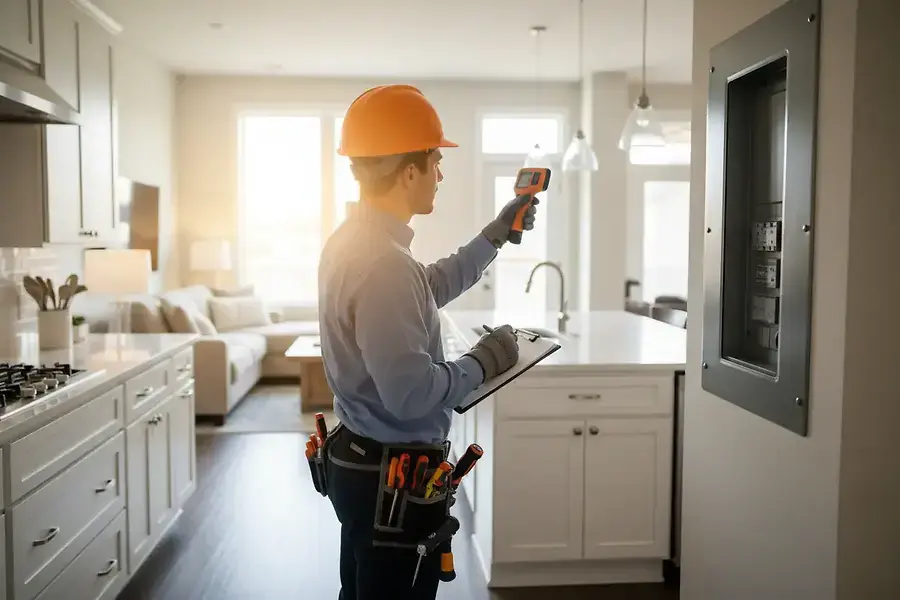
Why Professional Home Inspections Matter for Residential Buyers
Purchasing a home is one of the most significant financial decisions most people make in their lifetime. While the excitement of finding the perfect property can be overwhelming, it's crucial to take a step back and ensure you're making a sound investment. This is where professional home inspections become invaluable.
A comprehensive home inspection provides an objective assessment of a property's condition, revealing potential issues that may not be visible during a casual walkthrough. Without a professional inspection, you could unknowingly inherit costly repairs, safety hazards, or structural problems that could drain your finances for years to come. An inspector acts as your advocate, identifying everything from minor maintenance needs to major red flags that could affect your decision to purchase.
The inspection contingency in your purchase agreement gives you the legal right to walk away from the deal or renegotiate terms based on inspection findings. This protection is essential for making an informed offer and protecting your investment from day one.
Key Areas Inspectors Evaluate: Structural Systems, Plumbing, Electrical, and HVAC
Structural Integrity
The foundation and structural components of a home are its backbone. Inspectors examine the foundation for cracks, settling, or water damage that could indicate serious problems. They assess the condition of walls, ceilings, and the overall structural stability of the building. Any signs of foundation issues should be taken seriously, as repairs can be extremely expensive.
Plumbing Systems
A thorough plumbing inspection checks for:
- Water pressure and flow rates
- Leaks in visible pipes and fixtures
- Water heater age and condition
- Sewer line integrity
- Presence of outdated materials like galvanized pipes
Plumbing issues can lead to water damage, mold growth, and costly repairs. Inspectors will identify whether pipes need replacement or if the system is functioning properly.
Electrical Systems
Electrical safety is paramount. Inspectors evaluate:
- The main electrical panel and circuit breaker condition
- Grounding and bonding systems
- Presence of outdated wiring (such as aluminum wiring)
- GFCI outlets in wet areas
- Overall electrical code compliance
Faulty electrical systems pose serious fire and safety risks. An inspector's findings can help you understand if upgrades are necessary before you move in.
HVAC Systems
Heating, ventilation, and air conditioning systems are essential for comfort and indoor air quality. Inspectors assess the age, condition, and functionality of furnaces, air conditioners, and ventilation systems. They check for proper maintenance and identify any components that may need replacement soon.
Red Flags and Deal-Breakers: Understanding Inspection Reports and Repair Estimates
Interpreting Your Inspection Report
A detailed inspection report will categorize findings by severity. Understanding the difference between minor maintenance issues and major concerns is crucial for making your next move. Most reports use categories like:
- Safety Issues: Problems that pose immediate danger
- Major Repairs: Significant systems that need attention soon
- Minor Repairs: Maintenance items that can wait
- Recommendations: Suggested improvements or monitoring
Common Deal-Breakers
While every situation is unique, certain findings often warrant serious reconsideration:
- Foundation problems: Cracks, settling, or water intrusion
- Roof damage: Significant deterioration or remaining lifespan concerns
- Mold or water damage: Signs of moisture problems or active leaks
- Outdated electrical systems: Aluminum wiring or inadequate capacity
- Failing HVAC systems: Units near end of life requiring imminent replacement
- Pest infestations: Evidence of termites, rodents, or other invasive species
Getting Repair Estimates
Once you receive your inspection report, don't hesitate to obtain repair estimates for significant issues. These estimates provide concrete numbers for negotiation and help you understand the true cost of addressing problems. You can use these figures to request seller concessions, ask for repairs to be completed before closing, or adjust your offer price accordingly.
Negotiating Based on Findings
Armed with inspection data and repair estimates, you have leverage in negotiations. You might:
- Request the seller make repairs before closing
- Ask for a credit toward closing costs
- Reduce your offer price to account for repairs
- Request a warranty or guarantee on completed repairs
- Walk away if issues are too severe or costly
Using Inspection Findings to Negotiate and Make Confident Offers
The inspection process empowers you as a buyer. Rather than viewing inspection findings as setbacks, consider them valuable information that helps you make an informed decision.
A professional home inspection is not an expense—it's an investment in your peace of mind and financial security.
After receiving your inspection report, take time to review it thoroughly. Discuss findings with your real estate agent and inspector to understand the severity and urgency of any issues. This knowledge allows you to approach negotiations from a position of strength, knowing exactly what you're getting into.
Remember that no home is perfect. Minor issues like cosmetic wear or routine maintenance needs are normal. The goal is to identify significant problems that could affect your safety, comfort, or long-term investment value.
By taking home inspections seriously and using the findings strategically, you protect yourself from costly surprises and ensure that your residential investment is sound for years to come. Don't skip this critical step in the home buying process—your future self will thank you.


