Home Investment Returns in Greater Phoenix's Emerging Communities
Compare appreciation potential and ROI across Peoria, Ahwatukee Foothills, and other fast-growing Arizona neighborhoods.

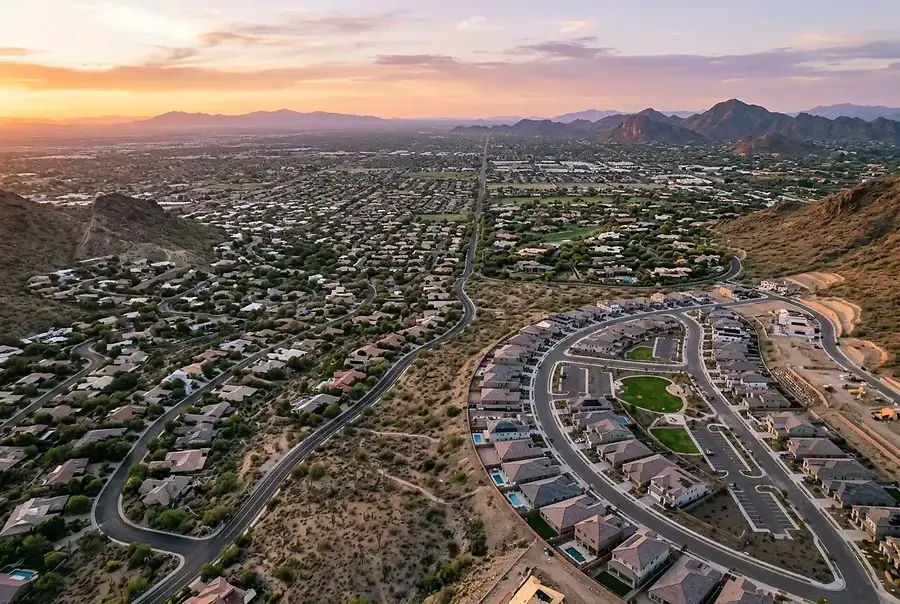
Understanding Real Estate Investment Opportunities in Greater Phoenix
The Greater Phoenix metropolitan area has emerged as one of the nation's most dynamic real estate markets, attracting investors seeking strong returns and long-term appreciation potential. With a booming population, robust job growth, and expanding infrastructure, Arizona's residential market offers compelling opportunities for both seasoned and novice investors. Understanding which neighborhoods deliver the best value and growth prospects is essential for making informed investment decisions.
Phoenix's real estate landscape has transformed dramatically over the past several years, with emerging communities offering exceptional value compared to established neighborhoods. The region's combination of affordable entry prices, strong demographic trends, and economic development initiatives creates an ideal environment for property appreciation and solid returns on investment.
Investment Potential by Neighborhood: Peoria, Ahwatukee Foothills, Scottsdale, Paradise Valley, and Phoenix Comparisons
Peoria: The Northwest Growth Engine
Peoria represents one of Greater Phoenix's most exciting investment opportunities, positioned as the region's fastest-growing community. Located northwest of downtown Phoenix, Peoria has experienced remarkable population growth and infrastructure development that directly translates to property appreciation.
- Average appreciation rates: Properties in Peoria have demonstrated consistent year-over-year growth, significantly outpacing older established neighborhoods
- Entry price point: More affordable than Scottsdale and Paradise Valley, making it accessible to a broader range of investors
- Development momentum: New commercial centers, schools, and recreational facilities continue to enhance neighborhood desirability
- Rental market strength: Strong demand from renters seeking newer construction and modern amenities
Ahwatukee Foothills: South Phoenix's Hidden Gem
Nestled in south Phoenix, Ahwatukee Foothills offers a unique blend of natural beauty, community amenities, and investment potential. This master-planned community has attracted families and investors seeking a more established yet still-appreciating neighborhood.
- Lifestyle appeal: Proximity to hiking, golf courses, and outdoor recreation drives consistent demand
- Appreciation trajectory: Steady, reliable growth with less volatility than emerging markets
- Community stability: Well-established infrastructure and strong neighborhood identity
- Rental income potential: Attractive to families and professionals seeking quality-of-life amenities
Scottsdale and Paradise Valley: Premium Markets
These established luxury markets command premium prices and attract high-net-worth investors. While appreciation rates may be more modest than emerging communities, these neighborhoods offer stability, prestige, and strong rental income potential.
- Higher entry costs: Significantly more expensive than Peoria or Ahwatukee Foothills
- Stable appreciation: Consistent, predictable growth with lower risk
- Luxury rental market: Strong demand for high-end properties and vacation rentals
- Market resilience: Proven ability to maintain value during economic fluctuations
Central Phoenix: Urban Investment Opportunities
Phoenix's urban core continues to attract investors interested in revitalization and urban living trends. Neighborhoods undergoing gentrification and infrastructure improvements offer growth potential for investors with longer time horizons.
Factors Driving Home Values and Long-Term Appreciation in These Markets
Population Growth and Migration Trends
Arizona continues to attract residents from across the nation, driven by favorable climate, no state income tax, and abundant job opportunities. This sustained population growth directly supports housing demand and property appreciation across all market segments.
Economic Development and Job Creation
Major employers in technology, healthcare, manufacturing, and professional services continue expanding operations in the Phoenix area. Job growth in emerging communities like Peoria creates local employment opportunities, reducing commute times and increasing neighborhood desirability.
Infrastructure Investment and Urban Planning
Strategic investments in transportation, utilities, and public amenities significantly impact property values. Communities with planned infrastructure improvements—such as new light rail connections, highway expansions, and commercial development—typically experience accelerated appreciation.
Demographic Shifts and Housing Demand
Millennial and Gen Z homebuyers seeking affordable entry-level properties drive demand in emerging communities. Simultaneously, empty-nesters and retirees seek downsizing opportunities in established neighborhoods with strong amenities and community services.
Supply and Demand Dynamics
Limited housing inventory in desirable neighborhoods supports price appreciation. Communities with constrained development potential or geographic limitations tend to experience stronger appreciation as demand outpaces supply.
School Quality and Family-Friendly Amenities
School district ratings significantly influence property values and rental demand. Neighborhoods with highly-rated schools and family-oriented amenities command premium prices and attract long-term residents, supporting stable appreciation.
Making Data-Driven Investment Decisions in Arizona's Residential Market
Evaluating Your Investment Strategy
Successful real estate investing requires aligning property selection with your financial goals and risk tolerance. Consider whether you prioritize immediate cash flow through rental income or long-term appreciation potential.
Emerging communities like Peoria offer higher appreciation potential but may involve more market volatility, while established neighborhoods like Scottsdale provide stability and predictable returns.
Key Metrics for Investment Analysis
- Cap rate: Rental income divided by property price, indicating cash flow potential
- Price-to-rent ratio: Comparing purchase price to annual rental income
- Appreciation rates: Historical and projected property value growth
- Days on market: Indicating neighborhood demand and liquidity
- Inventory levels: Lower inventory typically supports appreciation
Risk Considerations
While emerging communities offer attractive appreciation potential, they carry higher volatility and longer time horizons for realizing returns. Established neighborhoods provide more predictable outcomes but with lower growth rates. Diversifying across multiple neighborhoods and property types can balance risk and return.
Working with Local Experts
Partnering with experienced real estate agents, investment advisors, and property managers familiar with specific neighborhoods provides invaluable insights. Local expertise helps identify emerging opportunities before they become widely recognized, potentially maximizing investment returns.
Greater Phoenix's diverse neighborhoods offer investment opportunities suited to various strategies and risk profiles. Whether targeting rapid appreciation in emerging communities like Peoria or seeking stability in established markets like Scottsdale, data-driven decision-making and thorough market analysis are essential for successful real estate investing in Arizona's dynamic residential market.


