Home Maintenance Essentials for NYC Homeowners: A Complete Guide
Protect your investment and avoid costly repairs with seasonal maintenance strategies tailored for New York's climate and older homes.

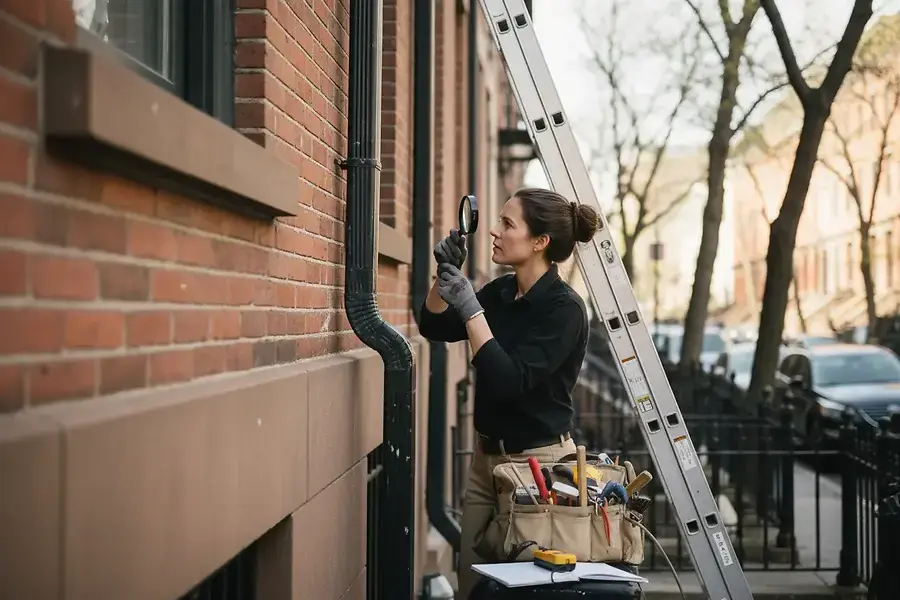
Introduction: Why Home Maintenance Matters in New York
Owning a home in New York City is a significant investment, but it comes with unique challenges. Whether you live in a historic brownstone in Brooklyn, a pre-war apartment in Manhattan, or a charming home in Queens, the city's harsh winters, humid summers, and aging infrastructure demand proactive maintenance. Neglecting routine upkeep can lead to expensive repairs that could have been prevented with simple preventive care.
New York's climate is particularly demanding on homes. The freeze-thaw cycles of winter can damage foundations, roofs, and plumbing systems. Salt used on city streets accelerates corrosion of metal components. Humidity and moisture create ideal conditions for mold and structural decay. By understanding your home's specific needs and addressing them seasonally, you can protect your property value and ensure your family's safety.
Seasonal Maintenance Checklist for NYC Climates
Spring Maintenance
Spring is the perfect time to assess winter damage and prepare your home for warmer months.
- Inspect your roof: Look for missing shingles, damaged flashing, and debris accumulation. Winter weather can cause significant damage that may lead to leaks.
- Check gutters and downspouts: Clear winter debris and ensure proper water drainage away from your foundation.
- Examine exterior walls: Look for cracks in mortar, peeling paint, or water stains that indicate moisture problems.
- Test HVAC systems: Have your air conditioning unit serviced before the summer heat arrives.
- Inspect basement and crawl spaces: Check for water damage, mold, or signs of pests.
Summer Maintenance
Summer is ideal for exterior work and addressing any issues discovered in spring.
- Seal cracks and gaps: Use caulk to seal gaps around windows, doors, and foundation cracks to prevent pest entry and water infiltration.
- Power wash exterior surfaces: Remove dirt, mold, and mildew from siding, decks, and patios.
- Paint and stain: Protect wood surfaces from moisture damage with fresh paint or stain.
- Service plumbing: Check for leaks under sinks and around toilets. Summer is a good time for repairs before winter stress.
- Maintain landscaping: Trim trees away from your roof and siding to prevent damage and pest access.
Fall Maintenance
Fall is critical for preparing your home for winter's harsh conditions.
- Clean gutters thoroughly: Remove all leaves and debris to ensure proper water drainage during winter storms.
- Inspect weatherstripping: Replace worn weatherstripping around doors and windows to prevent heat loss.
- Service heating system: Have your furnace or boiler inspected and cleaned before the heating season begins.
- Drain outdoor faucets: Prevent frozen pipes by shutting off and draining exterior water lines.
- Check chimney: If you have a fireplace, have the chimney inspected and cleaned for safety and efficiency.
Winter Maintenance
Winter requires vigilance to prevent damage from snow, ice, and cold temperatures.
- Monitor roof snow load: Excessive snow can damage your roof structure. Remove dangerous accumulations.
- Prevent ice dams: Ensure proper attic ventilation and insulation to prevent ice dams that cause water damage.
- Inspect pipes: Keep an eye on exposed pipes and insulate vulnerable areas to prevent freezing.
- Check basement: Monitor for water intrusion during heavy snow melt.
- Maintain heating system: Replace furnace filters regularly and ensure your heating system operates efficiently.
Common Issues Specific to Brooklyn, Queens, and Manhattan Properties
Brownstone and Rowhouse Problems (Brooklyn & Manhattan)
Historic brownstones and rowhouses are architectural treasures, but they present unique maintenance challenges. Mortar deterioration is extremely common in older masonry. The original lime-based mortar can crumble, allowing water infiltration and structural instability. Have a mason inspect your exterior walls regularly and repoint mortar as needed.
Basement moisture is another persistent issue in these older homes. Many lack proper waterproofing or drainage systems. Installing interior or exterior drainage systems, sump pumps, and dehumidifiers can help manage moisture problems.
Pre-War Apartment Issues (Manhattan)
Pre-war apartments often feature original plumbing and electrical systems that are outdated and potentially dangerous. Galvanized pipes corrode over time, reducing water pressure and potentially contaminating water. Consider upgrading to copper or PEX piping. Knob-and-tube wiring is a fire hazard and should be replaced with modern electrical systems.
Asbestos is another concern in older Manhattan buildings. If your home was built before the 1980s, have a professional assess potential asbestos in insulation, floor tiles, or pipe wrapping.
Queens Properties and Foundation Issues
Many Queens homes sit on clay soil that expands and contracts with moisture changes, causing foundation settling and cracking. Monitor foundation cracks closely and have a structural engineer evaluate any significant movement. Proper grading and drainage around your home can minimize foundation stress.
Older Queens homes may also have outdated sewer lines made of clay or cast iron that are prone to root intrusion and collapse. If you experience frequent backups, have your sewer line inspected with a camera.
Conclusion: Building Long-Term Property Value Through Preventive Care
Home maintenance isn't just about fixing problems—it's about preventing them and protecting your investment. In New York City's challenging climate and with many older homes, a proactive approach to maintenance is essential.
The cost of preventive maintenance is always less than the cost of emergency repairs.
Create a maintenance calendar, prioritize seasonal tasks, and don't hesitate to hire qualified professionals for complex work. By staying ahead of problems, you'll enjoy a safer, more comfortable home while preserving its value for years to come. Your home is likely your largest financial asset—treat it with the care it deserves.