Home Staging Secrets: Proven Techniques to Attract Buyers and Sell Faster
Master the art of strategic staging to showcase your residential property's best features and maximize buyer interest.

Introduction: Why Home Staging Matters in Today's Market
In today's competitive real estate market, first impressions are everything. When potential buyers walk through your door, they're not just evaluating the physical structure—they're imagining their future in your space. Home staging is the strategic art of preparing your property to appeal to the widest possible audience, and it can make a dramatic difference in how quickly your home sells and at what price.
Research shows that properly staged homes spend significantly less time on the market and often sell for higher prices than unstaged properties. Whether you're selling a cozy apartment or a sprawling suburban home, the principles of effective staging remain the same: highlight strengths, minimize weaknesses, and create an emotional connection with buyers.
Essential Staging Techniques That Drive Sales
Declutter and Depersonalize Your Space
The first step in staging is removing the excess. Buyers need to envision themselves in your home, not feel like they're intruding on your personal space. Start by decluttering every room—remove family photos, personal memorabilia, and excess furniture that makes spaces feel cramped.
- Pack away 30-50% of your belongings before showing
- Store seasonal items and holiday decorations
- Minimize kitchen countertop items to essential appliances only
- Clear bedroom closets to demonstrate storage capacity
Create Neutral, Inviting Spaces
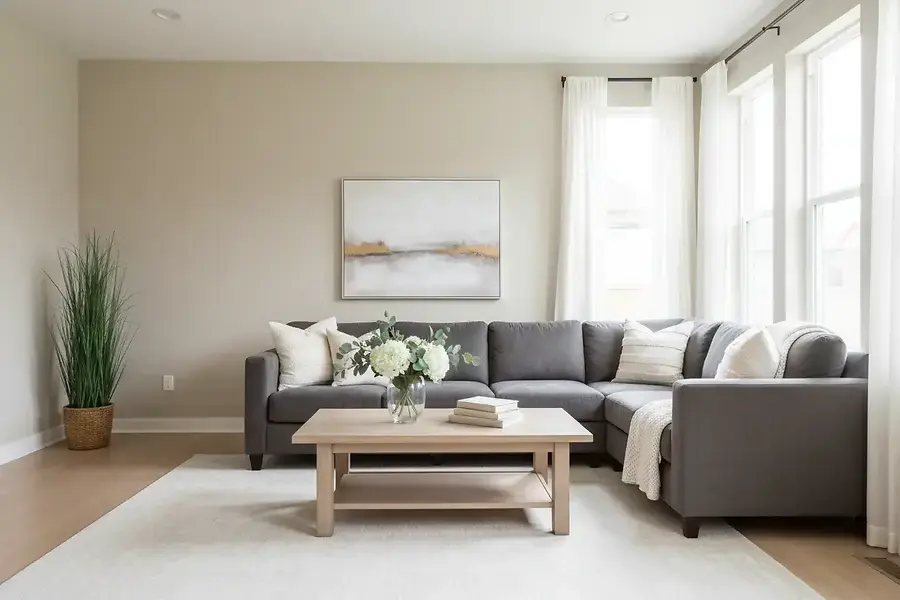
While your bold purple accent wall might be your favorite design choice, it can be a dealbreaker for potential buyers. Neutral colors create a blank canvas that allows buyers to imagine their own style. Consider repainting walls in soft, universally appealing colors like beige, gray, or soft white.
This doesn't mean your home should feel sterile. Add warmth through:
- Fresh flowers or green plants in key areas
- Neutral-toned throw pillows and blankets
- Tasteful artwork that complements the space
- Soft, warm lighting throughout the home
Optimize Lighting and Ambiance
Lighting dramatically affects how buyers perceive your home. Natural light is ideal, so open all curtains and blinds during showings. For darker areas, invest in quality lighting solutions:
- Replace dim bulbs with brighter, warm-toned LED lights
- Add table lamps to create cozy corners
- Ensure all light fixtures are clean and functional
- Consider strategic accent lighting for architectural features
Highlight Your Home's Best Features
Every home has unique selling points. Your job is to make these features impossible to ignore. Whether it's a fireplace, hardwood floors, or a stunning view, stage these areas to draw attention:
- Arrange furniture to frame focal points
- Keep architectural details clean and unobstructed
- Use area rugs to define spaces and highlight flooring
- Position seating to take advantage of views or natural light
Create Functional, Appealing Rooms
Each room should have a clear purpose. Buyers need to understand how they'll use the space. Set up bedrooms with quality bedding, living rooms with comfortable seating arrangements, and home offices with functional desks. Less is more—use furniture strategically to show space while maintaining comfort.
Don't Forget Curb Appeal
The exterior of your home is the first thing buyers see. Invest time and effort in your front entrance and landscaping:
- Refresh the front door with a new coat of paint or hardware
- Trim bushes and remove dead plants
- Power wash the driveway and walkway
- Add potted plants or flowers near the entrance
- Ensure the lawn is well-maintained and edged
Costly Staging Mistakes to Avoid
Over-Staging and Excessive Decor
While staging is important, too much decoration can feel overwhelming and inauthentic. Avoid filling every surface with decorative items or creating rooms that look like a furniture showroom. The goal is to enhance, not overwhelm.
Ignoring Odors and Cleanliness
A spotless, fresh-smelling home is non-negotiable. Pet odors, cooking smells, and mustiness can instantly turn buyers away. Deep clean every surface, open windows for fresh air, and consider subtle scents like fresh coffee or vanilla—but avoid overwhelming artificial fragrances.
Poor Furniture Arrangement
Cramming too much furniture into a room makes spaces feel smaller and cluttered. Arrange furniture to create clear pathways and maximize the sense of space. Leave room for buyers to walk comfortably and envision their own furniture placement.
Neglecting Small Details
Buyers notice everything. Avoid these common oversights:
- Broken light fixtures or burnt-out bulbs
- Scuffed walls or visible stains
- Outdated or mismatched cabinet hardware
- Cluttered or disorganized closets
- Visible clutter in garages or storage areas
Staging for the Wrong Audience
Understand your target buyer. A young family has different needs than empty nesters or investors. Research your market and stage accordingly to appeal to the most likely buyers for your property type and location.
Conclusion: Transform Your Home Into a Buyer Magnet
Home staging isn't about deception—it's about presentation. It's about helping buyers see the potential and fall in love with your home.
By implementing these proven staging techniques and avoiding common mistakes, you'll create an inviting environment that appeals to buyers and encourages them to make an offer. Remember that staging is an investment in your home's sale price and speed—often returning far more than it costs.
Start with decluttering and depersonalizing, then focus on highlighting your home's best features through strategic furniture placement, lighting, and neutral decor. Pay attention to curb appeal, maintain impeccable cleanliness, and avoid over-staging. With these secrets in your arsenal, you'll be well-equipped to attract serious buyers and sell your home faster than you ever thought possible.