Home Staging Secrets: Sell Your Property Faster and Attract Premium Offers
Discover proven staging strategies that help residential properties attract serious buyers and command higher offers in today's competitive market.

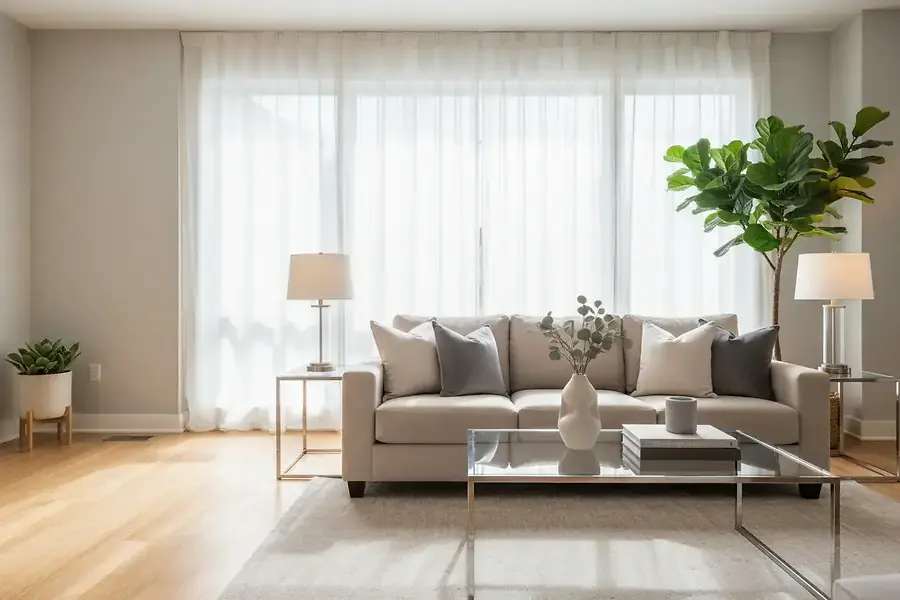
The Power of Strategic Home Staging
When it comes to selling your home, first impressions matter more than ever. Home staging is the art of strategically preparing and presenting your property to appeal to the widest range of potential buyers. Rather than simply cleaning and decluttering, professional staging involves thoughtfully arranging furniture, optimizing lighting, and creating an emotional connection that helps buyers envision themselves living in your space.
The statistics speak for themselves: homes that are properly staged sell faster and often command significantly higher prices than unstaged properties. In today's competitive real estate market, staging isn't a luxury—it's a necessity. Whether you're selling a cozy apartment or a sprawling suburban home, the right staging strategies can make the difference between a property that sits on the market and one that attracts multiple offers.
Essential Staging Techniques That Highlight Your Home's Best Features
Create a Neutral Canvas
One of the most important staging principles is neutralizing your space. Bold wall colors, personal artwork, and distinctive décor can distract buyers from your home's architecture and layout. Consider painting walls in soft, neutral tones like beige, gray, or soft white. This creates a blank canvas that allows buyers to imagine their own style and belongings in the space.
Maximize Natural Light
Lighting dramatically impacts how buyers perceive your home. Open all curtains and blinds during showings to flood rooms with natural light. Natural light makes spaces feel larger, brighter, and more inviting. Additionally, ensure all light fixtures are working properly and consider adding soft ambient lighting in the evenings to create a warm, welcoming atmosphere.
Declutter and Depersonalize
Remove personal items such as family photos, children's artwork, and memorabilia. While these items are meaningful to you, they can distract buyers from focusing on the property itself. The goal is to help buyers see the home as a blank slate for their own memories. Additionally, remove excess furniture and items to make rooms appear larger and more spacious.
Arrange Furniture Strategically
Furniture placement should highlight the room's best features and create a natural flow throughout the home. Consider these key points:
- Position furniture to define spaces and create conversation areas
- Ensure pathways are clear and easy to navigate
- Avoid blocking windows or architectural features
- Use appropriately sized furniture for each room—oversized pieces can make spaces feel cramped
Enhance Curb Appeal
The exterior of your home is the first thing buyers see. Invest in landscaping, fresh paint on the front door, and clean windows to create an inviting entrance. A well-maintained front yard signals that the entire property has been cared for. Consider adding potted plants, updating house numbers, and ensuring the driveway is clean and crack-free.
Stage Key Rooms Strategically
Focus your staging efforts on the rooms that matter most to buyers:
- Master Bedroom: Create a serene, spa-like atmosphere with neutral bedding and minimal furniture
- Kitchen: Clear countertops, organize cabinets, and ensure appliances shine
- Bathrooms: Display fluffy towels, add fresh flowers, and ensure everything is spotlessly clean
- Living Room: Arrange furniture to showcase the space and create an inviting gathering area
Add Finishing Touches
Small details create big impacts. Fresh flowers, scented candles with subtle fragrances, and strategically placed mirrors can enhance your home's appeal. Mirrors reflect light and make spaces appear larger, while fresh flowers add color and life to neutral spaces without being too personal.
Common Staging Mistakes That Turn Buyers Away
Over-Personalizing Your Space
While your home reflects your personality, excessive personal touches can prevent buyers from connecting with the property. Remove family photos, religious items, and highly personal décor. Buyers need to imagine their own lives in the space, not feel like they're intruding on yours.
Neglecting Cleanliness
No amount of staging can overcome a dirty home. Dust, clutter, and grime send a message that the property hasn't been well-maintained. Deep clean every surface, including baseboards, light fixtures, and windows. A spotless home suggests the entire property has been cared for meticulously.
Poor Lighting Choices
Dim or harsh lighting can make even beautiful homes feel uninviting. Avoid overhead lighting alone—layer your lighting with table lamps, floor lamps, and natural light. Warm, soft lighting creates a welcoming ambiance that encourages buyers to linger.
Ignoring Odors
Unpleasant smells can instantly turn buyers away. Eliminate pet odors, cooking smells, and mustiness by opening windows, using air purifiers, and deep cleaning. Some sellers use subtle scents like fresh coffee or baked goods during showings, but avoid overpowering fragrances that might seem like you're hiding something.
Overcrowding Spaces
Too much furniture makes rooms feel cramped and small. Less is more when it comes to staging. Remove excess pieces and create open, airy spaces that allow buyers to move freely and appreciate the room's dimensions.
Neglecting Outdoor Spaces
Many sellers focus exclusively on the interior and forget about patios, decks, and gardens. These outdoor living spaces are valuable selling points. Ensure they're clean, well-maintained, and attractively furnished to showcase their potential.
Transform Your Home Into a Buyer's Vision
Home staging is an investment that pays dividends. By implementing these proven strategies, you're not just preparing your home for sale—you're creating an emotional experience that resonates with buyers. Properties that are properly staged typically sell faster, attract more serious buyers, and command higher prices.
Remember, the goal of staging isn't to deceive buyers but to help them see your home's true potential. By neutralizing your space, maximizing its best features, and avoiding common mistakes, you're giving your property every advantage in today's competitive market.
Whether you choose to stage your home yourself or hire a professional stager, the investment in presentation is one of the smartest decisions you can make when selling your property. Your home deserves to shine, and with these staging secrets, it will.


