Home Staging Strategies: Proven Techniques to Sell Faster and Higher
Learn the essential staging strategies that help residential properties sell faster and at higher prices.

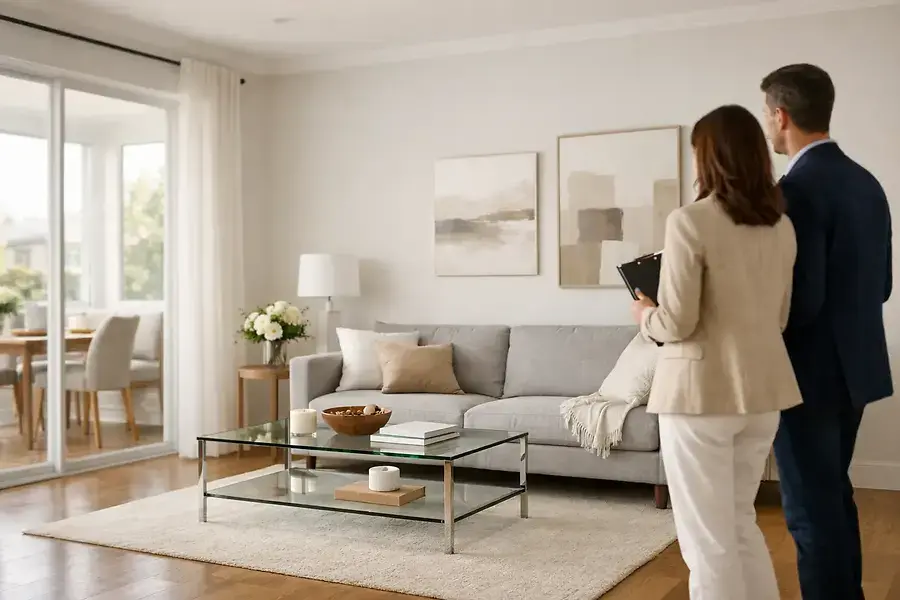
Why Home Staging Matters in Today's Market
In today's competitive real estate market, first impressions are everything. Home staging has become an essential strategy for sellers looking to maximize their property's appeal and selling potential. When done correctly, staging can significantly reduce the time a property sits on the market and increase its final sale price.
The psychology behind staging is simple: buyers make emotional decisions before logical ones. By presenting your home in its best light, you're not just showing a property—you're telling a story that helps potential buyers envision their future in the space. Studies show that staged homes sell approximately 73% faster than unstaged properties and often command higher prices.
Step-by-Step Staging Techniques for Maximum Appeal
Curb Appeal: Make a Powerful First Impression
Your home's exterior is the first thing buyers see, and you never get a second chance to make a first impression. Start by enhancing your curb appeal with these essential steps:
- Paint the front door a bold, welcoming color that complements your home's exterior
- Ensure the lawn is well-maintained with fresh mulch and trimmed landscaping
- Add potted plants or flowers near the entrance for warmth and vibrancy
- Clean the driveway, walkway, and exterior walls thoroughly
- Update house numbers and ensure outdoor lighting is functional and attractive
Declutter and Depersonalize
One of the most critical staging steps is removing personal items and excess clutter. Buyers need to imagine themselves living in the space, not feel like they're intruding on someone else's life.
- Remove family photos and personal memorabilia from walls and shelves
- Minimize furniture to make rooms appear larger and more spacious
- Clear kitchen counters of appliances and personal items, keeping only essential pieces
- Organize closets and storage spaces to demonstrate ample storage capacity
- Pack away collections and hobby items that might distract from the home's features
Create Neutral, Inviting Spaces
Neutral colors and clean aesthetics appeal to the broadest range of buyers. This doesn't mean your home should feel sterile—it should feel warm and welcoming.
- Paint walls in soft, neutral tones like beige, gray, or soft white
- Replace bold or outdated artwork with neutral, high-quality pieces
- Use neutral bedding and towels in bathrooms
- Ensure all lighting is bright and welcoming, replacing dim or outdated fixtures
Highlight Key Features
Every home has unique selling points. Your staging should draw attention to these features:
- Arrange furniture to showcase architectural details like fireplaces or built-in shelving
- Ensure windows are clean and unobstructed to highlight natural light
- Stage outdoor spaces to demonstrate their potential for entertaining or relaxation
- Use strategic lighting to emphasize room dimensions and create ambiance
Make Rooms Functional and Purposeful
Each room should have a clear purpose. Buyers should immediately understand how they can use each space in their daily lives.
- Set up bedrooms with quality bedding and minimal furniture
- Create a welcoming dining area, even if it's just a small table
- Stage the kitchen with clean counters and organized cabinets
- Make bathrooms feel spa-like with fresh towels and minimal clutter
Common Staging Mistakes to Avoid
Over-Personalizing Your Space
While it's tempting to showcase your personality, too much personalization can actually work against you. Buyers need to see themselves in the home, not feel like they're buying into someone else's lifestyle. Remove family photos, religious items, and highly personal collections.
Ignoring Odors and Cleanliness
A clean home is a staged home. Unpleasant odors—whether from pets, cooking, or mustiness—can be a major turnoff. Deep clean every surface, address any pet odors, and consider subtle, fresh scents like vanilla or fresh linen.
Overcrowding Rooms with Furniture
Too much furniture makes rooms feel cramped and smaller. Remove excess pieces to create an open, airy feel that allows buyers to envision their own furniture in the space.
Neglecting Lighting
Poor lighting can make even beautiful homes feel gloomy and uninviting. Maximize natural light by opening curtains and blinds, and supplement with warm, bright artificial lighting throughout the home.
Forgetting About Storage
Buyers want to know there's adequate storage. Organize closets, cabinets, and storage areas to demonstrate that the home has plenty of space for their belongings.
Ignoring Maintenance Issues
Visible maintenance problems—like peeling paint, broken fixtures, or water stains—send red flags to buyers. Address these issues before staging to ensure your home presents as well-maintained and move-in ready.
Transform Your Home's Market Potential
Home staging is an investment that typically pays for itself many times over. By implementing these proven techniques, you're not just preparing your home for sale—you're maximizing its market value and appeal.
The key to successful staging is seeing your home through a buyer's eyes. Remove the clutter, highlight the best features, create neutral and inviting spaces, and ensure every room has a clear purpose. Avoid common mistakes like over-personalizing, neglecting cleanliness, and ignoring maintenance issues.
Whether you're selling in a buyer's market or a seller's market, staging gives you a competitive edge. Properties that are properly staged consistently sell faster and at higher prices than their unstaged counterparts. Start implementing these strategies today, and watch as your home becomes irresistible to potential buyers.
"The goal of staging is not to make your home perfect—it's to make it universally appealing and emotionally inviting to the broadest range of potential buyers."


