Home Staging Strategies: Sell Your Residential Property Faster and Stronger
Discover proven staging techniques that help residential properties sell faster and command higher offers.

Introduction: Why Home Staging Matters in Today's Competitive Market
In today's competitive real estate market, first impressions are everything. Home staging has become an essential tool for sellers who want to maximize their property's appeal and secure faster sales at higher prices. When potential buyers walk through your home, they're not just evaluating the structure—they're envisioning their future there. Strategic staging helps them see that potential clearly.
The statistics speak for themselves. Staged homes typically sell faster and for more money than unstaged properties. By investing time and resources into proper staging, you're essentially investing in your bottom line. Whether you're selling in a buyer's market or a seller's market, staging gives your property a competitive edge that can make all the difference.
Essential Staging Techniques: Creating Neutral, Inviting Spaces
Declutter and Depersonalize
The first step in staging is removing clutter. Buyers need to envision themselves in your space, and personal items can distract from the home's potential. Remove family photos, personal collections, and excess furniture that makes rooms feel cramped. A clean, open space feels larger and more welcoming.
Depersonalization is equally important. While your bold paint colors and unique décor reflect your personality, they may not appeal to potential buyers. Consider neutralizing your color palette to create a blank canvas that appeals to a broader audience.
Optimize Lighting and Ambiance
Lighting dramatically affects how buyers perceive your home. Open all curtains and blinds to let natural light flood in during showings. Natural light makes spaces feel larger, brighter, and more inviting. For evening showings, ensure all rooms are well-lit with warm, soft lighting that creates a welcoming atmosphere.
Consider replacing outdated light fixtures and adding table lamps to create layered lighting. A well-lit home feels more spacious and positive, which directly influences buyer emotions and decisions.
Create Flow and Functionality
Arrange furniture to create clear pathways through each room. Buyers should be able to walk through your home naturally without obstacles. Furniture placement should highlight the room's purpose and flow, making it easy for visitors to imagine how they would use the space.
Remove unnecessary furniture pieces that block sightlines or make rooms feel cramped. The goal is to make every space feel open, functional, and purposeful.
Room-by-Room Staging Strategies: From Curb Appeal to Final Walkthrough
Curb Appeal: Your Home's First Impression
Before buyers even step inside, they're evaluating your home's exterior. Curb appeal is critical and can determine whether potential buyers even want to enter. Focus on:
- Maintaining a manicured lawn and trimmed landscaping
- Painting the front door a welcoming color
- Cleaning the driveway and walkway
- Adding fresh flowers or potted plants near the entrance
- Ensuring the house number is clearly visible
- Pressure washing the exterior and windows
A well-maintained exterior signals that the entire home has been cared for, setting a positive tone for the showing.
The Entryway: Setting the Tone
Your entryway is where buyers form their initial indoor impression. Keep this space clean, bright, and inviting. A simple console table with a mirror and fresh flowers creates an elegant first impression. Remove shoes, coats, and clutter that might make the space feel chaotic.
Living Spaces: Comfort Meets Style
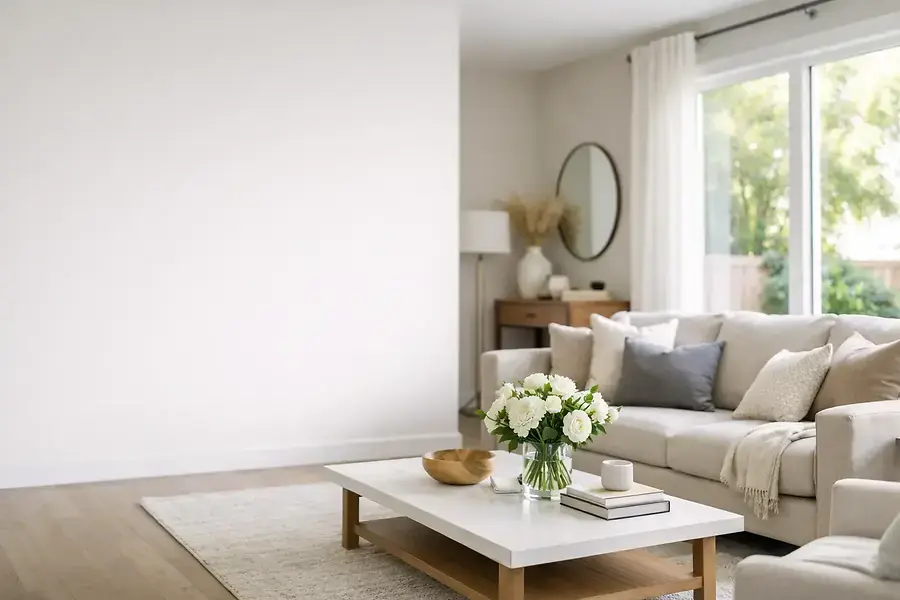
Living rooms and family rooms should feel warm and inviting. Arrange furniture to create conversation areas and highlight the room's best features. Add soft furnishings like throw pillows and blankets to create comfort, but avoid overdoing it. The space should feel lived-in but not cluttered.
If you have a fireplace, stage it as a focal point. A few carefully placed candles or a decorative mirror above the mantel can enhance its appeal.
Kitchen: The Heart of the Home
Kitchens are major selling points. Clean and organize cabinets, countertops, and appliances thoroughly. Remove small appliances from counters to create a spacious feel. Stage the kitchen table with a simple centerpiece—fresh fruit or flowers work well.
Ensure all lighting is bright and functional. Buyers want to see a kitchen that's clean, modern, and ready to use. If your kitchen is outdated, even small updates like new hardware or a fresh coat of paint can make a significant difference.
Bedrooms: Peaceful Retreats
Bedrooms should feel calm and restful. Make beds with high-quality linens and minimal pillows. Remove personal items from nightstands and dressers. Keep closets organized and relatively empty to showcase storage space—buyers want to see that there's room for their belongings.
Avoid heavy curtains or dark colors that make bedrooms feel smaller. Soft, neutral tones and sheer curtains create a peaceful, airy atmosphere.
Bathrooms: Clean and Spa-Like
Bathrooms must be spotlessly clean. Remove personal toiletries and excess items from counters. Add fresh towels, a small plant, and perhaps a scented candle to create a spa-like atmosphere. Ensure all fixtures are clean and functioning properly.
If your bathroom is dated, consider simple upgrades like new fixtures, fresh caulk, or updated lighting. These improvements signal that the home has been well-maintained.
Outdoor Spaces: Extending the Living Area
If you have a patio, deck, or backyard, stage these areas as extensions of your home. Clean outdoor furniture, add potted plants, and ensure the space is inviting. A well-staged outdoor area can significantly increase your home's appeal, especially to families and those who enjoy entertaining.
Conclusion: Positioning Your Home as the Buyer's First Choice
Home staging is not about deceiving buyers—it's about presenting your home in its best possible light. By decluttering, depersonalizing, and strategically arranging your spaces, you help buyers envision their future in your home.
The investment in staging typically pays for itself through faster sales and higher offers. Whether you stage your home yourself or hire a professional stager, the effort is worthwhile. Remember, in today's competitive market, the homes that sell fastest and strongest are those that make the strongest emotional connection with buyers.
Start with curb appeal, move through each room with intention, and create spaces that feel open, clean, and inviting. When you position your home as the buyer's first choice, success follows naturally.