Home Staging Strategies That Accelerate Residential Property Sales
Learn proven staging techniques that help residential properties sell faster and attract serious buyers.

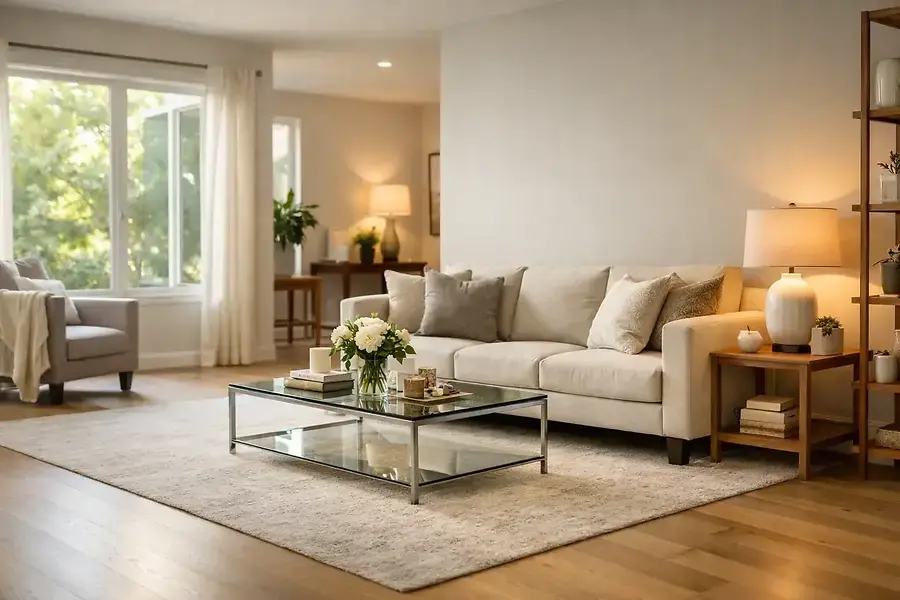
Understanding the Psychology of Home Staging and Buyer First Impressions
Home staging is far more than simply cleaning and organizing a property. It's a strategic approach rooted in psychology that helps potential buyers envision themselves living in your home. The first impression a buyer gets when entering a property is crucial—studies show that buyers make initial judgments within seconds of arrival.
When a home is properly staged, it appeals to the emotional and practical needs of buyers. The goal is to create an inviting atmosphere that highlights the property's best features while allowing buyers to imagine their own lives unfolding within those walls. This psychological connection often translates directly into faster sales and higher offers.
Curb appeal plays an equally important role in this first impression. A well-maintained exterior, attractive landscaping, and a welcoming entryway set the tone for the entire viewing experience. Buyers who are impressed by what they see outside are more likely to approach the interior with positive expectations.
Essential Staging Techniques: Decluttering, Neutralizing, and Highlighting Key Features
The Power of Decluttering
Decluttering is the foundation of effective home staging. A cluttered home makes spaces appear smaller and can distract buyers from the property's actual features. Remove personal items, excess furniture, and anything that doesn't serve a purpose in showcasing the home.
- Remove 30-50% of personal belongings from visible areas
- Clear countertops and shelves of unnecessary items
- Store seasonal decorations and excess furniture
- Organize closets and storage spaces
Neutralizing Your Space
While your personal style is important to you, potential buyers need to see themselves in the space. Neutral colors, minimal personal photographs, and universal design choices help buyers project their own vision onto the property.
Consider these neutralizing strategies:
- Paint walls in soft, neutral tones like beige, gray, or soft white
- Remove family photos and highly personal artwork
- Replace bold or trendy décor with timeless pieces
- Use neutral bedding and window treatments
Highlighting Key Features
Every home has unique selling points. Whether it's architectural details, natural light, or premium finishes, staging should draw attention to these features. Use lighting, furniture placement, and strategic décor to emphasize what makes your property special.
Room-by-Room Staging Guide: Bedrooms, Kitchens, Bathrooms, and Living Spaces
Master Bedroom
The master bedroom should feel like a peaceful retreat. Invest in quality, neutral bedding, and keep the room uncluttered. Remove personal items from nightstands, and ensure adequate lighting. A well-staged master bedroom can be one of the most compelling selling points of your home.
Kitchen
Kitchens are often deal-makers or deal-breakers for buyers. Clean and organize thoroughly—this is non-negotiable. Remove appliances from countertops, organize cabinets, and ensure all fixtures are in working order. Consider fresh flowers or a bowl of fresh fruit as a welcoming touch that suggests a well-maintained, lived-in space.
Bathrooms
Bathrooms should feel spa-like and pristine. Replace worn towels with fresh, neutral ones, and ensure all fixtures shine. Remove personal care items, and keep the space minimalist. A clean, bright bathroom can significantly influence a buyer's perception of the entire home.
Living Spaces
Living rooms and family rooms should feel inviting and spacious. Arrange furniture to create conversation areas and highlight the room's flow. Ensure there's adequate seating without overcrowding the space. Add warmth with neutral-toned throw pillows and blankets, but avoid excessive decorative items.
Additional Spaces
Don't overlook entryways, hallways, and outdoor spaces. These areas set the tone and create transitions between rooms. Keep them well-lit, clean, and uncluttered. If you have a home office or bonus room, stage it to show its versatility and potential uses.
Measuring Success: How to Track the Impact of Staging on Your Home's Market Performance
Key Metrics to Monitor
To understand whether your staging efforts are paying off, track these important metrics:
- Days on Market (DOM): How quickly does your home sell compared to similar properties in your area?
- Showing Traffic: Are you receiving more inquiries and showings after staging?
- Offer Quality: Are offers closer to your asking price?
- Buyer Feedback: What comments do agents and buyers provide during viewings?
Comparing Before and After
Document your home with professional photos before and after staging. This visual comparison helps you understand the transformation and can be valuable for future reference. Many sellers find that staged homes receive more online interest and generate more qualified leads.
Analyzing Market Response
Work closely with your real estate agent to gather feedback from showings. Are buyers commenting positively on specific rooms? Are there areas that still need improvement? This information helps you make adjustments and understand what's resonating with your target market.
Track the number of days your home spends on the market and compare it to similar properties in your neighborhood. A well-staged home typically sells 20-30% faster than unstaged properties, though results vary by market and property type.
Making Adjustments
Staging isn't static. If you're not seeing the results you expected, be willing to make adjustments. Perhaps certain rooms need different lighting, or furniture arrangement could be improved. Continuous refinement based on buyer feedback and market response is key to maximizing your home's appeal.
Home staging is an investment in your property's marketability. By understanding buyer psychology, implementing proven staging techniques, and carefully measuring your results, you can significantly accelerate your residential property sale and attract serious, qualified buyers ready to make an offer.


