Home Staging Strategies That Attract Buyers and Increase Your Sale Price
Learn proven staging techniques that help buyers envision themselves in your home and maximize your profit.

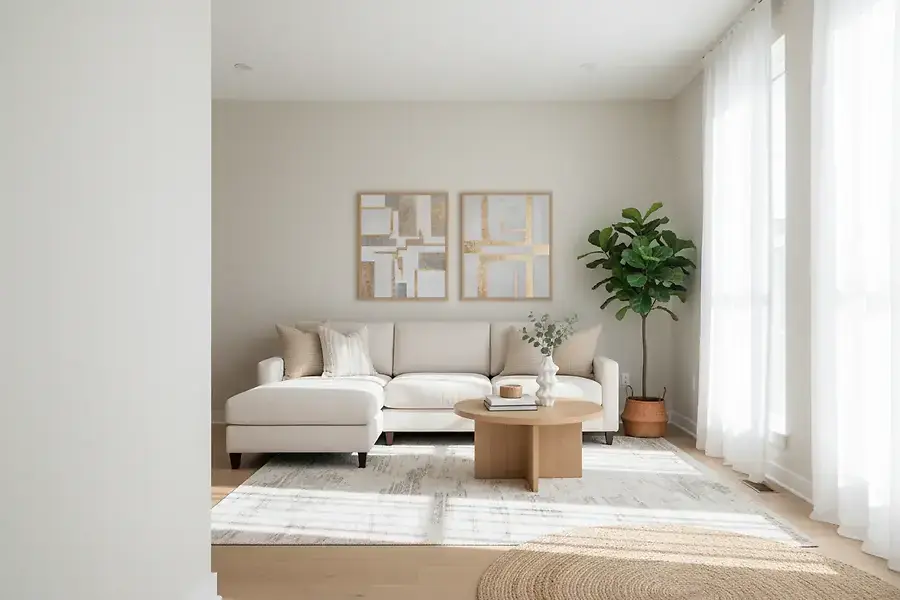
Why Home Staging Matters in Today's Market
In today's competitive real estate market, first impressions are everything. When potential buyers walk through your door, they have mere seconds to decide if your home is worth their time and money. Home staging is the art of presenting your property in its best possible light, and it can make a dramatic difference in both how quickly your home sells and the price you ultimately receive.
Research shows that staged homes sell faster and for higher prices than unstaged properties. Buyers are looking for homes where they can already imagine themselves living, and strategic staging helps them do exactly that. By removing personal clutter, optimizing furniture placement, and enhancing curb appeal, you're essentially removing barriers between potential buyers and their dream home.
Essential Staging Strategies That Work
Declutter and Depersonalize
The first step in staging is removing excess items from your home. Clutter creates visual chaos and makes spaces feel smaller. Walk through each room and ask yourself: does this item add value to the space, or does it distract from it?
- Remove personal photos and memorabilia from walls and shelves
- Clear kitchen countertops of appliances and gadgets
- Minimize bedroom furniture to make rooms feel more spacious
- Store away hobby collections and personal collections
When your home is depersonalized, buyers can more easily imagine it as their own space rather than seeing it as someone else's home.
Optimize Lighting and Brightness
Lighting dramatically affects how buyers perceive your home. Bright, well-lit spaces feel welcoming and energetic, while dark rooms feel cramped and uninviting.
- Open all curtains and blinds during showings to maximize natural light
- Replace dim light bulbs with brighter, energy-efficient LED options
- Add table lamps to darker corners to create warmth and depth
- Clean all windows thoroughly to let light shine through
Create Neutral, Inviting Color Schemes
While you may love bold accent walls and vibrant colors, neutral tones appeal to a broader audience of potential buyers. Neutral doesn't mean boring—it means creating a calm, sophisticated backdrop that allows buyers to focus on the home's features.
- Paint walls in soft whites, beiges, grays, or warm neutrals
- Use neutral furniture that complements the space
- Add pops of color through easily changeable items like pillows and artwork
- Ensure flooring is clean and neutral in tone
Arrange Furniture for Flow and Function
Furniture placement should guide buyers through your home naturally and make spaces feel larger. Avoid pushing all furniture against walls—instead, create conversation areas and define spaces purposefully.
- Position furniture to create clear pathways through rooms
- Use area rugs to define living spaces and add warmth
- Ensure furniture is appropriately scaled for the room size
- Remove unnecessary pieces that crowd the space
Enhance Curb Appeal
Your home's exterior is the first thing buyers see. Curb appeal sets the tone for the entire showing and can significantly impact buyer perception.
- Maintain a well-manicured lawn and landscaping
- Paint or refresh the front door with a welcoming color
- Add potted plants and flowers near the entrance
- Ensure the driveway and walkway are clean and well-maintained
- Update house numbers and lighting fixtures
Make Bathrooms and Kitchens Shine
Kitchens and bathrooms are major selling points. These spaces deserve special attention during staging.
- Deep clean all surfaces, fixtures, and grout
- Declutter countertops and organize under-sink areas
- Add fresh towels and bath accessories in neutral colors
- Ensure all fixtures are functioning and gleaming
- Consider fresh paint or updated hardware for an instant refresh
Common Staging Mistakes to Avoid
Over-Staging
While staging is important, over-staging can feel artificial and off-putting. Your home should still feel like a place where people actually live, not a showroom. Strike a balance between clean, organized, and inviting.
Ignoring Odors
Smell is a powerful sense that influences buyer perception. Eliminate cooking odors, pet smells, and mustiness. Use subtle air fresheners or bake cookies before a showing, but avoid overwhelming artificial scents.
Neglecting Small Details
Buyers notice everything. Scuffed baseboards, water stains, and burnt-out light bulbs create negative impressions. Walk through your home with a critical eye and address these small issues.
Poor Lighting in Key Areas
Dark hallways, dim bedrooms, and shadowy corners make buyers uncomfortable. Ensure every area of your home is well-lit and inviting.
Excessive Personal Touches
Family photos, religious items, and political memorabilia can distract buyers or create disconnect. Keep personal items to a minimum during the selling process.
Transform Your Home's Appeal and Attract Serious Buyers
Home staging is an investment that typically returns far more than it costs. By implementing these proven strategies, you're not just making your home look better—you're removing obstacles that prevent buyers from making an offer.
Remember, the goal of staging is to help buyers envision themselves in your space. When they can imagine their furniture in your rooms, their family enjoying your kitchen, and their life unfolding in your home, they're much more likely to make a competitive offer.
The difference between a staged home and an unstaged home isn't just aesthetic—it's financial. Invest in staging, and watch your sale price and buyer interest increase.
Start with the strategies that will have the biggest impact: decluttering, improving lighting, and enhancing curb appeal. These foundational steps create the perfect canvas for buyers to imagine their future in your home. With thoughtful staging and attention to detail, you'll attract serious buyers and maximize your profit when it's time to sell.