Home Staging Strategies That Attract Buyers and Maximize Your Sale Price
Discover the proven staging techniques that help residential properties stand out in today's competitive market and command top dollar.

Introduction: Why Strategic Home Staging Matters for Sellers
In today's competitive real estate market, first impressions are everything. When potential buyers walk through your home, they're not just evaluating the property—they're envisioning their future there. Strategic home staging is the art of presenting your home in its absolute best light, and it can make a dramatic difference in both how quickly your property sells and the price you ultimately receive.
Research shows that well-staged homes sell faster and command higher prices than unstaged properties. By thoughtfully arranging furniture, decluttering spaces, and creating emotional connections, you're essentially helping buyers see the true potential of your home. This isn't about deceiving anyone—it's about highlighting your home's best features and allowing buyers to imagine themselves living there.
Room-by-Room Staging Techniques That Create Emotional Buyer Connections
The Living Room: Your Home's First Impression
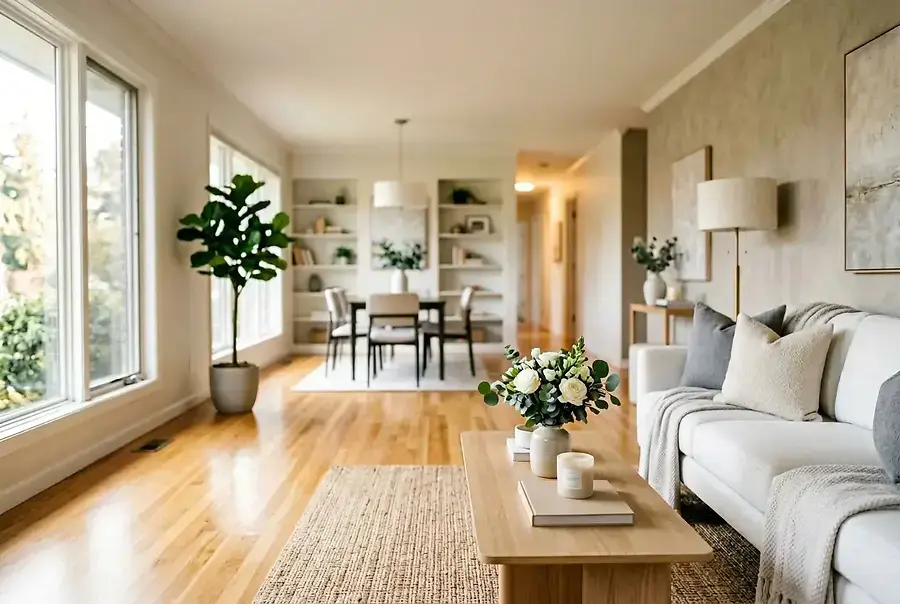
The living room sets the tone for the entire home. Focus on creating an inviting, spacious atmosphere by:
- Removing excess furniture to make the space feel larger and more open
- Arranging seating to encourage conversation and create a welcoming focal point
- Adding fresh flowers or plants to bring life and color into the room
- Ensuring adequate lighting with lamps and natural light to create warmth
- Decluttering shelves and surfaces to showcase architectural features
A well-staged living room tells buyers: "This is where memories will be made."
The Kitchen: The Heart of the Home
Kitchens are often the deciding factor for buyers. Make yours shine by:
- Clearing countertops of appliances and personal items—keep only essential, attractive pieces
- Ensuring cabinets are organized and clean, with items visible through glass doors
- Polishing stainless steel appliances and fixtures until they gleam
- Adding a fresh fruit bowl or potted herbs for a homey touch
- Making sure the sink is spotless and hardware is polished
A clean, organized kitchen signals to buyers that the home has been well-maintained.
The Bedroom: A Sanctuary of Comfort
Bedrooms should feel peaceful and spacious. Stage them by:
- Using neutral, high-quality bedding in soft colors
- Removing personal items like family photos and memorabilia
- Ensuring adequate space around the bed for movement
- Adding subtle, pleasant scents like fresh linens or light candles
- Keeping nightstands minimal with just a lamp and perhaps a small decorative item
The Bathroom: Cleanliness is Key
Bathrooms must be immaculate. Stage them by:
- Removing all personal toiletries and clutter from counters
- Ensuring grout is clean and tiles shine
- Displaying fluffy, neutral-colored towels rolled or folded neatly
- Adding a small plant or fresh flowers for a spa-like feel
- Making sure mirrors are streak-free and lighting is bright
Common Staging Mistakes That Can Delay Your Sale and Reduce Offers
Mistake #1: Over-Personalizing Your Space
Family photos, religious items, and bold personal décor can distract buyers from envisioning themselves in the home. While these items are meaningful to you, they can prevent buyers from projecting their own lives onto the space. Pack away personal memorabilia and opt for neutral, universally appealing décor instead.
Mistake #2: Ignoring Curb Appeal
Your home's exterior is the first thing buyers see. Neglecting curb appeal is a costly mistake that can turn buyers away before they even step inside. Ensure your lawn is manicured, paint is fresh, and the entrance is welcoming. A well-maintained exterior suggests the interior has been cared for too.
Mistake #3: Poor Lighting
Dark, dimly lit homes feel uninviting and smaller than they actually are. Open all curtains and blinds during showings, replace dim bulbs with brighter ones, and add lamps to dark corners. Good lighting makes spaces feel larger, cleaner, and more welcoming.
Mistake #4: Overwhelming Clutter
Too much stuff makes spaces feel cramped and chaotic. Declutter ruthlessly—remove items from closets, cabinets, and surfaces. A minimalist approach helps buyers see the true size and potential of each room. Consider renting a storage unit for items you're not selling with the home.
Mistake #5: Strong Odors
Cooking smells, pet odors, and heavy perfumes can be off-putting. Keep your home fresh and neutral-smelling by opening windows, using subtle air fresheners, and avoiding strong cooking smells during showings. A light, clean scent is ideal.
Mistake #6: Mismatched or Worn Furniture
Outdated or worn furniture can make a home look tired and neglected. If your furniture looks shabby, consider removing it or replacing key pieces. Sometimes less is more—an empty room looks larger than one filled with worn-out furniture.
Conclusion: Transform Your Home's Appeal and Achieve Maximum Selling Power
Home staging is one of the most cost-effective investments you can make when selling your property. The relatively small expense of staging—whether you hire a professional or do it yourself—typically returns far more in increased sale price and faster closing times.
By implementing these proven staging techniques, you're not just making your home look better; you're creating an emotional experience that helps buyers envision their future there.
"A well-staged home doesn't just sell faster—it sells for more."
Remember, the goal of staging is to highlight your home's strengths, minimize its weaknesses, and create a neutral canvas that allows buyers to imagine themselves living there. Whether you're working with a professional stager or tackling the project yourself, these strategies will help you maximize your home's appeal and achieve the best possible sale price. Your home has tremendous potential—staging simply helps buyers see it.


