Home Staging Strategies That Sell Residential Properties Faster
Learn proven staging techniques that help homeowners present their properties in the best light and attract serious buyers.

Introduction: Why Home Staging Matters in Today's Competitive Market
In today's competitive real estate market, first impressions are everything. When potential buyers walk through your home, they're not just evaluating the structure and square footage—they're imagining themselves living there. Home staging is the art of presenting your property in a way that appeals to the broadest range of buyers, and it can make a significant difference in how quickly your home sells and at what price.
Research shows that staged homes spend less time on the market and often sell for higher prices than unstaged properties. By strategically arranging furniture, decluttering spaces, and enhancing curb appeal, you can highlight your home's best features and help buyers envision their future in your space.
Essential Staging Techniques for Maximum Buyer Appeal
Declutter and Depersonalize
The first step in staging is removing excess items that distract from your home's architecture and layout. Buyers need to see themselves in the space, which means minimizing personal photos, collections, and memorabilia. Clear out closets, remove kitchen gadgets from countertops, and organize storage areas to demonstrate ample space.
Create a Neutral Color Palette
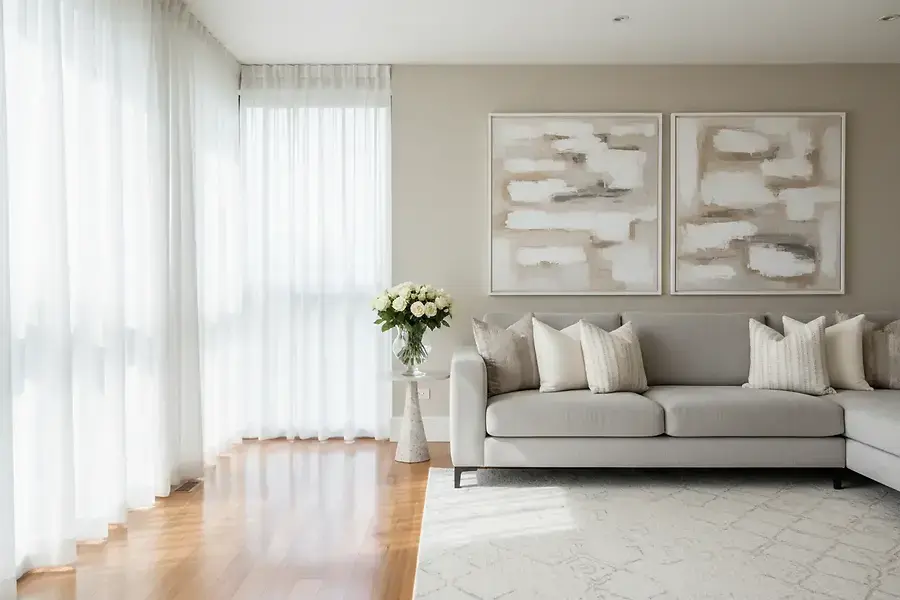
While your bold accent wall might be your favorite design choice, neutral colors appeal to more buyers. Consider painting walls in soft whites, beiges, or light grays. This creates a blank canvas that allows buyers to imagine their own décor and makes spaces feel larger and more inviting.
Enhance Lighting Throughout
Proper lighting can transform a home's atmosphere. Open all curtains and blinds to let natural light flood in, and add table lamps and floor lamps to darker corners. Ensure all light fixtures are clean and working properly, and consider upgrading outdated fixtures for a more contemporary feel.
Arrange Furniture for Flow and Function
Furniture placement should emphasize room size and create natural traffic patterns. Avoid pushing all furniture against walls, which can make spaces feel smaller. Instead, create conversation areas and ensure pathways are clear and easy to navigate. Less is often more—remove oversized pieces that overwhelm rooms.
Add Strategic Accessories
While decluttering is important, strategic accessories add warmth and appeal. Fresh flowers, tasteful artwork, and quality throw pillows can enhance a space without overwhelming it. These finishing touches help buyers emotionally connect with your home.
Room-by-Room Staging Guide for Residential Homes
The Entryway
Your entryway sets the tone for the entire home. Make sure the front door is clean and freshly painted, the entrance is well-lit, and there's a welcoming feel. Add a potted plant or fresh wreath to create curb appeal. Inside, ensure the foyer is clutter-free with a small console table and mirror to create an elegant first impression.
The Living Room
This is where buyers envision spending time with family and friends. Arrange furniture to create a cozy conversation area, ensure the room feels spacious, and add soft lighting with table lamps. A clean fireplace or entertainment center becomes a focal point. Keep décor minimal but inviting.
The Kitchen
The kitchen is often a deciding factor for buyers. Clear countertops of appliances and clutter, leaving only a few essential items like a fruit bowl or coffee maker. Clean and organize cabinets, ensure stainless steel appliances shine, and add fresh flowers or a small plant for color.
A clean, organized kitchen signals that the home has been well-maintained.
The Master Bedroom
Create a serene, spa-like atmosphere in the master bedroom. Make the bed with high-quality linens, remove excess furniture, and keep nightstands minimal. Soft lighting and neutral colors help buyers imagine this as their personal retreat. Ensure closets are organized and not overflowing.
The Bathrooms
Bathrooms should be spotless and spa-like. Replace old shower curtains with clean, neutral ones, organize toiletries, and ensure all fixtures are gleaming. Add fresh towels, a small plant, and subtle scents like lavender to create a relaxing atmosphere. Fix any leaks or water stains immediately.
Additional Spaces
Don't forget about secondary bedrooms, home offices, and bonus rooms. Stage these spaces to show their potential:
- Secondary bedrooms should feel spacious and inviting, suitable for guests or children
- Home offices should be organized and professional, showing the space's functionality
- Bonus rooms should highlight their versatility—stage them as a gym, craft room, or entertainment space
- Basements and attics should be clean, well-lit, and organized to maximize perceived storage
Conclusion: Transforming Your Home into a Buyer's Dream
Home staging is an investment that typically pays for itself through faster sales and higher offers. By decluttering, depersonalizing, and strategically arranging your spaces, you create an environment where buyers can envision their future. The goal isn't to make your home look like a showroom, but rather to highlight its best features and help buyers fall in love with the space.
Remember that staging is about creating emotional connections. When potential buyers walk through a well-staged home, they're not just seeing walls and furniture—they're imagining birthday parties in the kitchen, quiet mornings on the patio, and years of memories in every room. By following these proven staging strategies, you'll be well on your way to selling your home faster and at the best possible price.


