Home Staging Strategies to Attract Serious Buyers and Increase Your Sale Price
Proven techniques to help buyers envision themselves in your residential property and increase its market appeal.

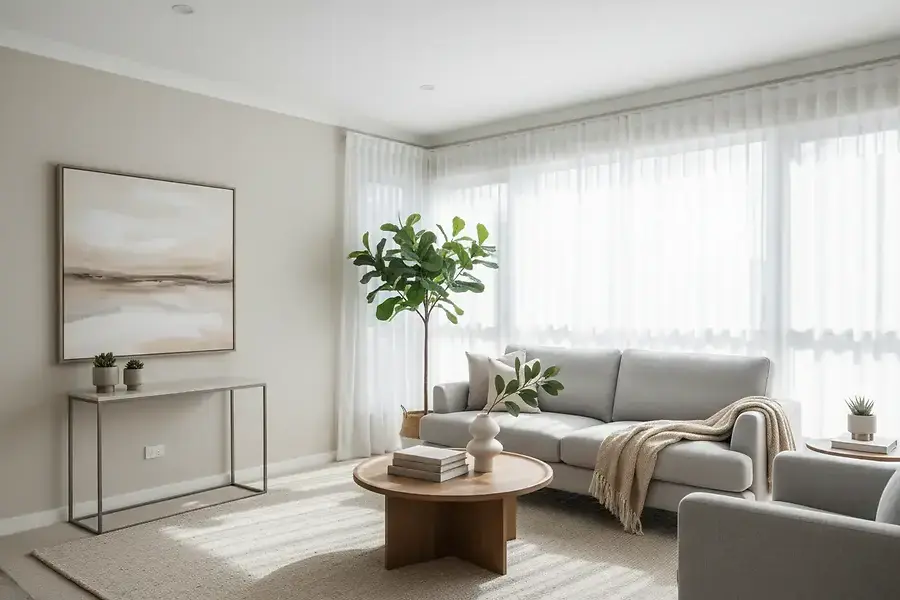
Introduction: Why Home Staging Matters for Sellers
When it comes to selling your home, first impressions are everything. Home staging is the art of preparing your property to appeal to the widest range of potential buyers, and it can make a significant difference in both the speed of your sale and the final price you receive. Studies show that staged homes sell faster and for higher prices than unstaged properties.
The goal of staging is simple yet powerful: help buyers envision themselves living in your space. By strategically presenting your home, you're not just selling a property—you're selling a lifestyle and a vision of future happiness. In today's competitive real estate market, this psychological advantage can be the deciding factor between multiple offers and a property that lingers on the market.
Decluttering and Depersonalizing Your Space
The Power of a Clean Slate
The first step in staging your home is removing the clutter that obscures its true potential. Buyers need to see the bones of your property, not your personal belongings. A cluttered home appears smaller, darker, and less valuable than it actually is.
Start by removing items from every surface:
- Clear kitchen countertops of appliances and personal items
- Remove family photos and personal memorabilia from shelves and walls
- Minimize bathroom countertop items to essentials only
- Declutter closets and storage spaces—buyers will open them
- Remove excess furniture from each room
Depersonalization: Creating Neutral Ground
While your home is uniquely yours, buyers need to imagine it as theirs. Depersonalization doesn't mean making your home cold or sterile—it means creating a neutral canvas that appeals to diverse tastes.
Consider these depersonalization strategies:
- Replace bold, trendy wall colors with neutral tones like beige, gray, or soft white
- Remove family photos and replace with generic artwork or leave walls bare
- Pack away collections, trophies, and memorabilia
- Minimize religious or political items that might not resonate with all buyers
- Store seasonal decorations and excess furniture in a storage unit
Strategic Furniture Placement and Lighting Techniques
Furniture Arrangement for Maximum Space
How you arrange furniture dramatically impacts how spacious and functional your home feels. The goal is to showcase the room's purpose while maximizing the sense of space.
Key furniture placement principles include:
- Less is more: Remove excess furniture to make rooms appear larger and more open
- Create conversation areas: Arrange seating to suggest how the space can be used and enjoyed
- Define spaces: Use furniture to create distinct zones in open-concept homes
- Maintain traffic flow: Ensure clear pathways through each room
- Float furniture: Pull pieces away from walls to create intimacy and define spaces
Lighting: Brighten Your Home's Appeal
Lighting is one of the most underutilized staging tools, yet it has an enormous impact on how buyers perceive your home. Bright, well-lit spaces feel more welcoming, spacious, and valuable.
Implement these lighting strategies:
- Maximize natural light: Open all curtains and blinds during showings to flood rooms with daylight
- Clean windows thoroughly: Dirty windows block light and make spaces feel dingy
- Layer your lighting: Use overhead lights, table lamps, and accent lighting to create depth
- Replace dim bulbs: Use bright, warm LED bulbs (2700K-3000K) throughout your home
- Add accent lighting: Highlight architectural features, artwork, or landscaping with strategic lighting
- Eliminate dark corners: Use floor lamps to brighten areas that feel shadowy
Additional Staging Touches
Beyond furniture and lighting, small details create the finishing touches that transform a house into a home:
- Fresh paint: A fresh coat of neutral paint instantly refreshes tired walls
- Curb appeal: Ensure landscaping is neat, add potted plants, and paint the front door
- Scent: Use subtle, pleasant scents like fresh coffee or vanilla—avoid overwhelming fragrances
- Cleanliness: Deep clean every surface; spotless homes feel more valuable
- Mirrors: Strategically place mirrors to reflect light and create the illusion of space
Conclusion: Transform Your Home Into a Buyer's Dream
Home staging is an investment that typically returns far more than it costs. By decluttering, depersonalizing, and strategically arranging your furniture and lighting, you create an environment where buyers can envision their future. These proven techniques work because they address the psychological and emotional aspects of home buying.
Remember, the goal isn't to hide your home's character—it's to highlight its best features and allow buyers to imagine themselves creating memories within its walls. When you stage your home effectively, you're not just selling a property; you're selling a dream. And that dream is worth significantly more than an unstaged alternative.
Start staging today, and watch as serious buyers line up to make offers on your beautifully presented home.


