Home Staging Techniques That Attract Buyers and Increase Residential Sale Prices
Discover proven staging strategies that help residential properties sell faster and command higher offers.

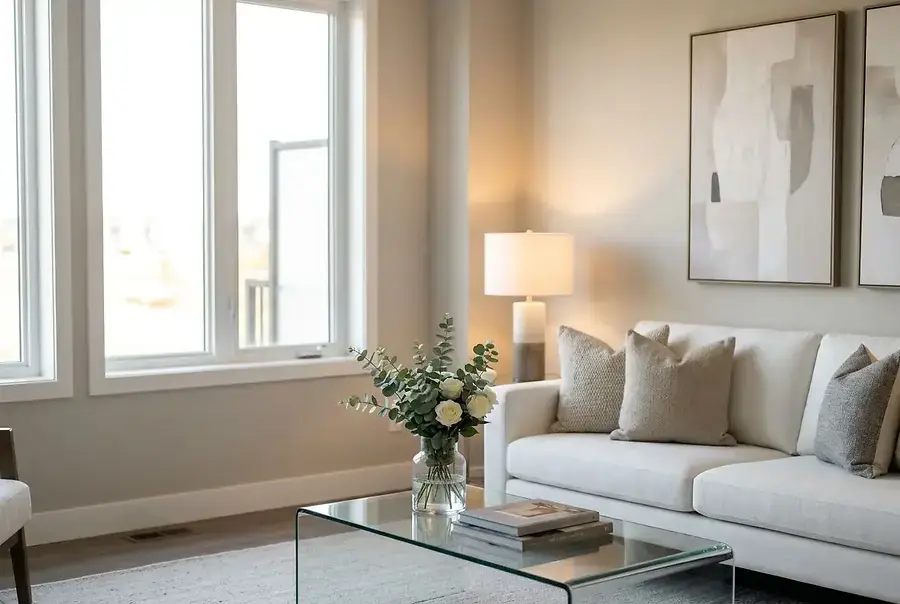
Introduction: Why Home Staging Matters for Residential Sales
When it comes to selling your home, first impressions are everything. Home staging is the art of preparing and presenting your property in the most appealing way possible to potential buyers. Properly staged homes sell faster and command higher prices—often 5-10% more than unstaged properties. In today's competitive real estate market, staging isn't just an option; it's a strategic investment that can significantly impact your bottom line.
The psychology behind staging is simple: buyers need to envision themselves living in your home. When they walk through a cluttered, outdated, or poorly arranged space, it's difficult for them to see the potential. Staging removes these barriers and allows buyers to focus on the home's best features and imagine their future there.
Essential Staging Strategies: Decluttering, Neutralizing, and Highlighting Key Features
The Power of Decluttering
The first step in any staging process is decluttering. Remove personal items, excess furniture, and anything that doesn't serve a purpose. This includes:
- Family photos and personal memorabilia
- Excess books, magazines, and papers
- Oversized furniture that makes rooms feel cramped
- Kitchen countertop appliances and gadgets
- Bathroom clutter and personal care items
A clean, minimalist approach helps buyers see the true size and potential of each room. Less is more when it comes to staging.
Neutralizing Your Space
While your bold purple accent wall or quirky décor might reflect your personality, neutral colors appeal to a broader audience. Consider:
- Repainting walls in soft, neutral tones like beige, gray, or soft white
- Replacing bold artwork with subtle, calming pieces
- Removing overly themed décor that might alienate buyers
- Choosing neutral furniture and upholstery
Neutral doesn't mean boring—it means creating a blank canvas that allows buyers to imagine their own style in the space.
Highlighting Key Features
Every home has unique selling points. Whether it's architectural details, natural light, or a stunning view, strategic staging draws attention to these features. Use lighting, furniture placement, and décor to emphasize what makes your home special.
Room-by-Room Staging Guide: Kitchens, Bathrooms, Bedrooms, and Living Spaces
Kitchen Staging
The kitchen is often the most important room for buyers. Focus on:
- Cleanliness: Ensure appliances shine and countertops are spotless
- Organization: Clear counters of clutter; store small appliances away
- Lighting: Ensure adequate lighting to showcase the space
- Hardware: Update cabinet handles if they look dated
- Décor: Add fresh flowers or a bowl of fresh fruit for visual appeal
A well-staged kitchen can be a major selling point and justify a higher asking price.
Bathroom Staging
Bathrooms should feel spa-like and luxurious:
- Remove all personal toiletries and medications
- Replace worn towels with fresh, neutral-colored ones
- Add a small plant or fresh flowers
- Ensure mirrors are clean and well-lit
- Fix any leaks or water stains immediately
A clean, organized bathroom suggests the entire home is well-maintained.
Bedroom Staging
Bedrooms should feel peaceful and spacious:
- Make beds with high-quality, neutral bedding
- Remove excess furniture to maximize floor space
- Ensure adequate lighting with bedside lamps
- Keep closets organized and partially empty to show storage potential
- Avoid overly personal décor
Living Space Staging
Living rooms and family rooms are where buyers imagine spending time:
- Arrange furniture to create conversation areas
- Ensure traffic flow is logical and unobstructed
- Add warm lighting with lamps and overhead fixtures
- Include tasteful artwork and décor
- Keep the space inviting but not cluttered
Measuring Success: How Proper Staging Impacts Sale Price and Days on Market
The Financial Impact
Staged homes typically sell for 5-10% more than unstaged homes, and some studies show even higher returns in competitive markets. The investment in staging—whether DIY or professional—usually pays for itself many times over through the increased sale price.
Consider this: if your home is valued at $400,000, a 7% increase from staging means an additional $28,000 in your pocket. The cost of professional staging services typically ranges from $1,000 to $5,000, making it an excellent return on investment.
Reduced Time on Market
Beyond price, staging reduces the number of days your home sits on the market. Homes that sell quickly are often perceived as more desirable, which can prevent price reductions and multiple showings that drain your energy.
Staged homes typically spend 20-30% less time on the market compared to unstaged properties. This means:
- Faster closing and access to your proceeds
- Less stress and uncertainty during the selling process
- Reduced carrying costs like mortgage, utilities, and property taxes
- Stronger negotiating position with fewer competing offers
Buyer Perception and Emotional Connection
The true measure of staging success is
creating an emotional connection between buyers and your home. When buyers can envision themselves living in a space, they're more likely to make an offer and less likely to negotiate aggressively on price.
Professional staging creates an experience that resonates with buyers, transforming a house into a home they want to own.
Conclusion
Home staging is a proven strategy that increases sale prices, reduces time on market, and creates emotional connections with potential buyers. By decluttering, neutralizing your space, and strategically highlighting your home's best features, you can maximize your return on investment. Whether you choose to stage your home yourself or hire a professional, the benefits far outweigh the costs. In today's real estate market, staging isn't optional—it's essential for success.


