Home Staging Tips That Sell: Proven Strategies for Residential Properties
Transform your home's appeal and attract serious buyers with expert staging techniques that highlight your property's best features.

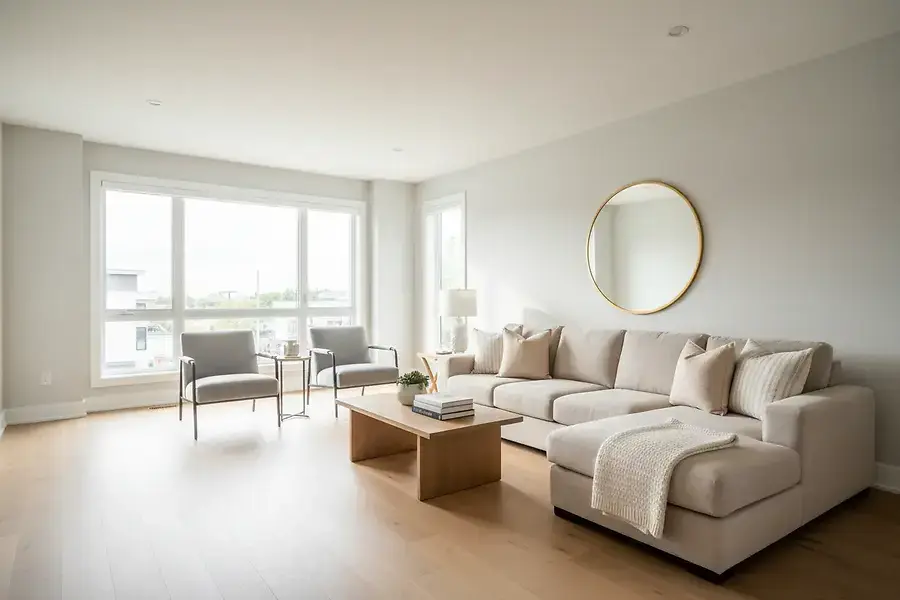
Why Home Staging Matters in Today's Competitive Market
In today's competitive real estate landscape, first impressions are everything. When potential buyers walk through your door, they're not just evaluating the structure and square footage—they're envisioning themselves living in your space. Home staging is the art of presenting your property in its absolute best light, and it's a proven strategy that can significantly impact your selling price and timeline.
Studies show that staged homes sell faster and often command higher prices than unstaged properties. Buyers are more likely to make emotional connections with spaces that feel welcoming, organized, and well-maintained. By strategically arranging furniture, optimizing lighting, and decluttering your home, you're essentially removing barriers between potential buyers and their dream home.
The goal of staging isn't to deceive—it's to highlight your home's true potential and help buyers see themselves living there.
Essential Staging Techniques: Decluttering, Lighting, and Layout Optimization
Decluttering: Creating Space and Clarity
The first step in any staging project is ruthless decluttering. Remove personal items, excess furniture, and anything that doesn't serve a purpose. Buyers need to envision their own belongings in your space, and clutter makes rooms feel smaller and more chaotic.
- Remove 30-50% of decorative items and personal photographs
- Clear kitchen countertops of appliances and gadgets
- Minimize bedroom furniture to make rooms feel larger
- Organize closets and storage spaces
- Donate or store seasonal items
Lighting: Brightening Your Home's Potential
Proper lighting can transform a dark, dreary space into a bright, inviting sanctuary. Natural light is your best friend, so open all curtains and blinds during showings. For areas lacking natural light, invest in strategic artificial lighting:
- Add floor lamps to dark corners
- Replace dim bulbs with brighter, warm-toned options
- Install accent lighting in key areas like entryways and dining rooms
- Clean all windows and light fixtures thoroughly
- Consider uplighting to highlight architectural features
Layout Optimization: Maximizing Flow and Function
The way furniture is arranged directly impacts how buyers perceive your space. Optimal layout creates a sense of flow and highlights the room's functionality.
- Arrange furniture to create clear pathways through rooms
- Position seating to encourage conversation and comfort
- Ensure furniture doesn't block windows or architectural features
- Create distinct zones in open-concept spaces
- Avoid pushing all furniture against walls—this makes rooms feel smaller
Room-by-Room Staging Guide: Creating Emotional Connections with Buyers
The Entryway: Your Home's First Impression
Your entryway sets the tone for the entire home. Make it count by ensuring it's clean, well-lit, and welcoming. A fresh coat of paint, new hardware, and a tasteful mirror can work wonders. Add a small console table with a decorative bowl or plant to create an inviting atmosphere.
The Living Room: Comfort and Sophistication
Stage your living room to showcase comfort and elegance. Arrange seating to create an intimate conversation area, add throw pillows and blankets for warmth, and incorporate a focal point like a fireplace or large window. Keep the space uncluttered but inviting—buyers should feel like they can relax here.
The Kitchen: The Heart of the Home
Kitchens are deal-makers or deal-breakers. Clear countertops completely, leaving only a few high-end appliances or a small plant. Ensure cabinets are organized and spotless, and consider updating hardware if it looks dated. A fresh coat of paint on cabinet doors can provide an affordable refresh.
The Bedrooms: Peaceful Retreats
Master bedrooms should feel like luxurious sanctuaries. Use neutral bedding, minimize furniture, and ensure the room feels spacious. Remove personal items like family photos and memorabilia so buyers can envision their own belongings. Secondary bedrooms should be staged to show their versatility—consider staging one as a home office or guest room.
The Bathrooms: Clean and Contemporary
Bathrooms must be immaculate. Deep clean every surface, replace worn towels with new ones, and ensure all fixtures are in working order. Add a small plant or fresh flowers for a spa-like feel. Remove personal care items and keep countertops clear except for a few decorative elements.
Outdoor Spaces: Extending Your Home's Appeal
Don't forget about curb appeal and outdoor living areas. Pressure wash the driveway, trim landscaping, and add colorful plants near the entrance. If you have a patio or deck, stage it with outdoor furniture to show its potential as an entertaining space.
Maximizing Your Home's Market Value Through Strategic Presentation
Home staging is an investment that typically yields significant returns. The cost of staging is minimal compared to the potential increase in sale price and the speed at which your home sells. By following these proven strategies, you're not just preparing your home for sale—you're creating an emotional experience that helps buyers fall in love with your property.
Remember, successful staging is about balance. You want your home to feel lived-in and welcoming, not sterile or overly decorated. The goal is to let your home's best features shine while allowing buyers to imagine their own lives within its walls.
A well-staged home doesn't just sell faster—it sells for more. By investing time and effort into strategic presentation, you're maximizing your home's true market value and creating the best possible outcome for your sale.