Home Value Assessment: How to Determine Your Property's True Worth
Learn the key factors that influence residential property valuations and how to leverage this knowledge to make smarter real estate decisions.

Understanding the Core Factors Behind Home Valuations
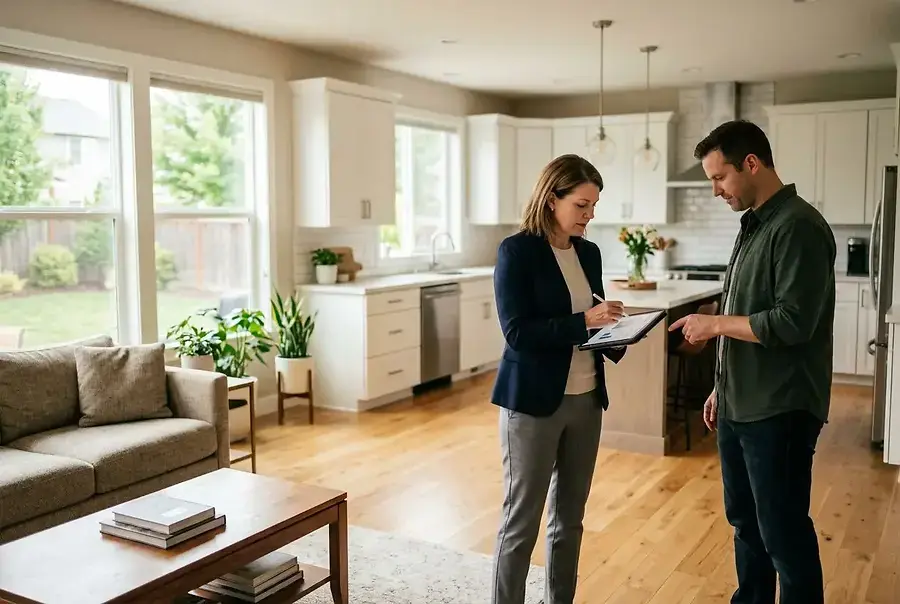
Determining your home's true value is one of the most important steps in real estate decision-making, whether you're planning to sell, refinance, or simply understand your financial position. A property's value isn't arbitrary—it's determined by a combination of tangible and intangible factors that work together to create a comprehensive picture of worth.
Physical Characteristics and Condition
The foundation of any home valuation begins with the property itself. Square footage, number of bedrooms and bathrooms, and overall condition are fundamental metrics that appraisers evaluate. A well-maintained home with updated systems, quality materials, and modern amenities will command a higher value than a comparable property requiring significant repairs.
Key physical factors include:
- Age and structural integrity of the building
- Quality of construction and materials used
- Roof condition and remaining lifespan
- HVAC, plumbing, and electrical systems
- Kitchen and bathroom upgrades
- Energy efficiency features
Location and Neighborhood Dynamics
The adage "location, location, location" remains true in real estate. Your home's geographic position significantly impacts its value. Properties in desirable neighborhoods with excellent schools, low crime rates, and convenient access to amenities command premium prices. Proximity to employment centers, public transportation, shopping, and recreational facilities all contribute to location value.
Additionally, neighborhood trends matter. Areas experiencing revitalization, population growth, or infrastructure improvements often see rising property values, while declining neighborhoods may experience the opposite effect.
Market Analysis: Location, Comparable Sales, and Current Trends
Comparable Sales Analysis
Professional appraisers rely heavily on comparable sales (or "comps") to determine property values. This method involves analyzing recent sales of similar properties in your area. The closer the comparable properties match your home in size, condition, location, and features, the more accurate the valuation.
When evaluating comps, consider:
- Sale prices of similar homes sold within the last 3-6 months
- Days on market and negotiation circumstances
- Adjustments for differences in features and condition
- Market conditions at the time of sale
Current Market Trends and Economic Factors
Real estate markets are dynamic and influenced by broader economic conditions. Interest rates, employment levels, housing inventory, and buyer demand all affect property values. In a seller's market with low inventory and high demand, prices typically rise. Conversely, a buyer's market with abundant inventory may put downward pressure on values.
Understanding whether you're in a buyer's or seller's market helps you set realistic expectations for your property's value and negotiate more effectively.
Economic indicators such as local job growth, population trends, and development plans also influence long-term property values. A community attracting new businesses and residents typically experiences stronger appreciation than areas facing economic challenges.
Professional Appraisals vs. Automated Valuations
While online home value estimators provide quick estimates, they have limitations. Professional appraisals conducted by licensed appraisers offer more accurate valuations because they account for property-specific details and current market conditions. For major decisions like selling or refinancing, a professional appraisal is typically required and highly recommended.
Preparing Your Home to Maximize Its Assessed Value
Strategic Improvements and Maintenance
Not all home improvements yield equal returns, but strategic upgrades can significantly boost your property's assessed value. Focus on improvements that enhance functionality, curb appeal, and energy efficiency.
High-ROI improvements include:
- Kitchen and bathroom remodels
- New roofing or roof repairs
- Updated HVAC systems
- Fresh exterior paint and landscaping
- Energy-efficient windows and insulation
- Modern flooring and lighting
Curb Appeal and First Impressions
The exterior of your home creates the first impression for potential appraisers and buyers. Well-maintained landscaping, clean siding, an attractive front door, and proper lighting can substantially impact perceived value. These relatively inexpensive improvements often deliver impressive returns.
Documentation and Disclosure
Keep detailed records of all improvements, repairs, and maintenance performed on your property. Documentation of upgrades, permits, and contractor work provides evidence of your home's quality and care, which appraisers value highly. Transparency about your home's condition and history builds confidence in the valuation.
Conclusion: Using Property Valuations to Your Advantage
Understanding your home's true value empowers you to make informed decisions about selling, refinancing, or investing in improvements. By grasping the core factors that influence valuations—physical condition, location, market trends, and comparable sales—you gain valuable insight into your property's position in the market.
Whether you're a homeowner seeking to maximize your property's worth or someone considering a real estate transaction, remember that accurate valuations require a comprehensive approach. Combine professional appraisals with your own market research, maintain your property diligently, and stay informed about local market conditions.
The investment you make in understanding and improving your home's value today can pay significant dividends in the future, whether through increased equity, better refinancing terms, or a stronger negotiating position when it's time to sell.


