Home Values Across the Triangle: What Your Property Is Really Worth
Discover how location, amenities, and market trends determine residential prices in Durham, Chapel Hill, Cary, and surrounding communities.

Understanding the Triangle's Diverse Real Estate Market
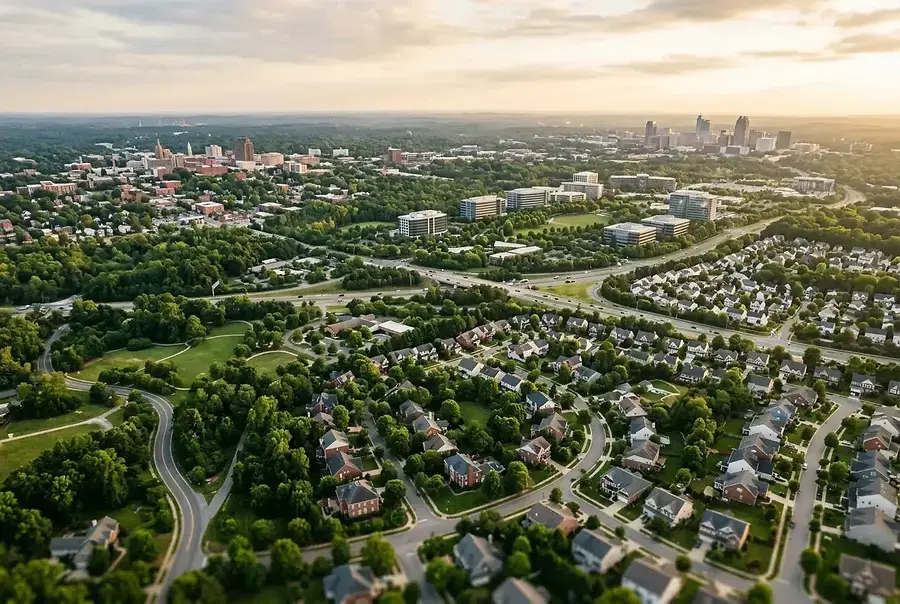
The Research Triangle region—encompassing Durham, Chapel Hill, Raleigh, Cary, and surrounding communities—represents one of North Carolina's most dynamic and varied real estate markets. Each community within the Triangle offers distinct characteristics, from historic neighborhoods with established charm to rapidly developing areas attracting young professionals and families. Understanding this diversity is essential for homeowners and buyers seeking to grasp what properties are truly worth in their specific locations.
The Triangle's real estate landscape has evolved significantly over recent years, driven by population growth, economic development, and the region's reputation as a hub for technology, research, and education. This growth has created a market where property values vary dramatically depending on neighborhood, proximity to employment centers, and access to amenities. Whether you're a longtime resident or new to the area, understanding these market dynamics helps you make informed decisions about your property investment.
Key Factors That Drive Home Values in Your Neighborhood
Location and Proximity to Employment Centers
Location remains the primary driver of home values throughout the Triangle. Properties near major employment hubs—such as Research Triangle Park, Duke University, UNC Chapel Hill, and Raleigh's downtown corridor—command premium prices. Shorter commute times translate directly to higher property values, as homeowners prioritize convenience and reduced travel costs.
School Quality and Educational Institutions
Families consistently prioritize school districts when selecting neighborhoods. Areas served by highly-rated schools experience stronger demand and higher property values. The presence of universities like Duke and UNC also influences surrounding property values, creating desirable neighborhoods for students, faculty, and university-affiliated professionals.
Neighborhood Amenities and Infrastructure
Access to parks, shopping centers, restaurants, and recreational facilities significantly impacts home values. Neighborhoods with well-maintained infrastructure, walkable streets, and vibrant community spaces attract buyers willing to pay premium prices. The Triangle's emphasis on greenways, trails, and outdoor recreation has become increasingly valuable to homebuyers.
Market Trends and Economic Growth
The Triangle's reputation as a growing tech and research hub continues to drive demand for residential properties. Population growth, new business development, and infrastructure improvements create upward pressure on home values. However, market conditions fluctuate based on broader economic factors, interest rates, and inventory levels.
Home Age, Condition, and Features
Property characteristics matter significantly. Newer homes with modern amenities, updated systems, and energy-efficient features typically command higher prices than older properties requiring renovation. However, historic homes in desirable neighborhoods often maintain strong values due to their character and location.
Comparing Prices: From Historic Durham to Growing Apex and Wake Forest
Durham's Evolving Neighborhoods
Durham has transformed dramatically, with historic neighborhoods like Trinity Park and Old West Durham experiencing revitalization and increased property values. The downtown corridor's development has made nearby residential areas increasingly attractive. Meanwhile, emerging neighborhoods offer more affordable entry points while still benefiting from the city's growth trajectory.
Chapel Hill's Premium Market
Chapel Hill maintains some of the Triangle's highest property values, driven by its prestigious university, established neighborhoods, and strong school system. Properties near the university and in well-established residential areas command premium prices, reflecting consistent demand from faculty, students, and professionals seeking proximity to the institution.
Cary's Steady Growth
Cary has emerged as a major employment and residential center, with property values reflecting its status as a planned community with excellent infrastructure and schools. The city's strategic location between Raleigh and the Research Triangle Park makes it increasingly attractive to commuters and families seeking suburban amenities with urban access.
Apex and Wake Forest's Rapid Development
Apex and Wake Forest represent some of the Triangle's fastest-growing communities, with property values rising as new development attracts families and professionals. These areas offer newer construction, modern amenities, and strong schools at prices often lower than established neighborhoods, making them appealing to first-time buyers and growing families.
Getting an Accurate Property Valuation for Your Home
Professional Appraisals and Market Analysis
Obtaining an accurate property valuation requires professional assessment. Licensed appraisers evaluate your home's condition, features, and comparable sales to determine fair market value. This process is essential for refinancing, selling, or understanding your property's worth for insurance and tax purposes.
Comparable Sales Analysis
Real estate professionals use comparable sales (or "comps") to determine property values. This analysis examines recent sales of similar properties in your neighborhood, adjusting for differences in size, condition, and features. In the Triangle's diverse market, finding truly comparable properties requires local expertise and market knowledge.
Online Valuation Tools and Their Limitations
While online valuation tools provide quick estimates, they have significant limitations in the Triangle's varied market. These tools may not account for neighborhood-specific factors, recent renovations, or local market nuances. Use them as starting points only, not definitive valuations.
Working with Local Real Estate Professionals
Real estate agents with deep Triangle market knowledge provide invaluable insights into property values. They understand neighborhood trends, upcoming developments, and market conditions that influence pricing. A qualified agent can help you understand what your property is truly worth and how to position it effectively in the current market.
Factors That May Increase Your Home's Value
- Recent renovations and upgrades to kitchens, bathrooms, and systems
- Energy-efficient improvements including new HVAC systems and insulation
- Outdoor enhancements such as landscaping, decks, and patios
- Smart home technology and modern conveniences
- Proximity to new development or infrastructure improvements
- Lot size and privacy in desirable neighborhoods
Understanding your home's value in the Triangle's dynamic market empowers you to make informed decisions about buying, selling, or refinancing. By considering location, amenities, market trends, and professional valuations, you'll gain clarity on what your property is truly worth and how it fits within the broader regional real estate landscape.


