Home Values & Community Trends in Small-Town Alabama & Georgia
Discover how property appreciation and lifestyle benefits are reshaping residential real estate in 14 emerging communities

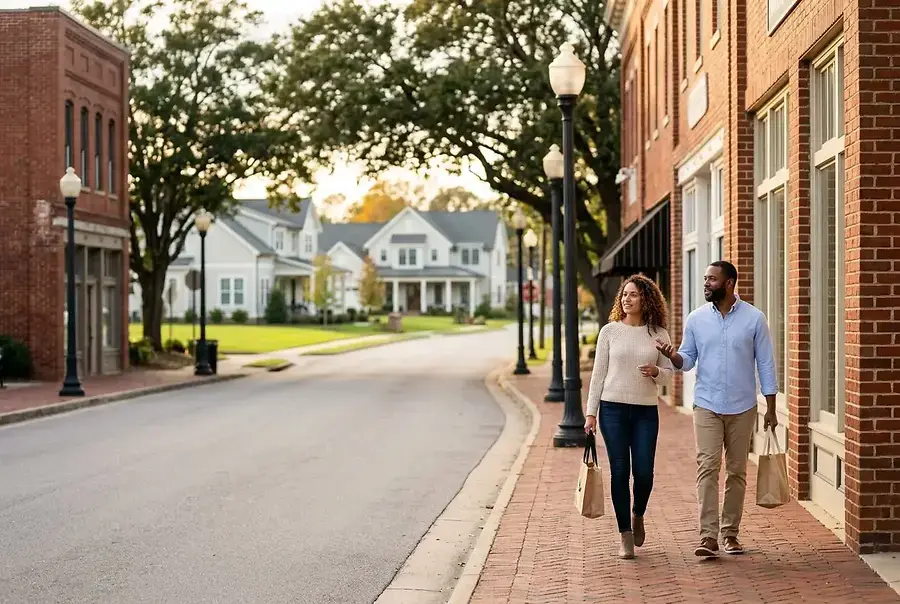
Introduction: Understanding the Real Estate Shift in Small-Town Markets
The residential real estate landscape across Alabama and Georgia is experiencing a remarkable transformation. While major metropolitan areas continue to dominate headlines, a quiet revolution is unfolding in small towns and emerging communities throughout these two states. Property values are climbing, new residents are relocating, and community amenities are expanding at unprecedented rates.
This shift represents more than just market fluctuations—it reflects a fundamental change in how Americans view homeownership and community living. Remote work opportunities, affordable housing options, and the desire for a slower pace of life have converged to create ideal conditions for residential growth in previously overlooked markets. For real estate professionals, understanding these trends is essential to positioning clients for success.
Property Values and Appreciation Patterns Across Alabama and Georgia Communities
The Appreciation Advantage
Small-town properties in Alabama and Georgia are experiencing appreciation rates that rival—and sometimes exceed—those in larger urban centers. Homes that sold for $150,000 just five years ago are now commanding $200,000 to $220,000, representing solid double-digit appreciation. This trend is particularly pronounced in communities within 30-45 minutes of major employment centers.
Several factors drive this appreciation:
- Population Migration: Remote work has untethered professionals from urban centers, allowing them to seek more affordable, spacious communities
- Limited Inventory: Many small towns have fewer homes on the market, creating healthy supply-demand dynamics
- Infrastructure Investment: State and local governments are investing in roads, utilities, and public services to support growth
- Generational Preferences: Younger families and retirees alike are drawn to the authenticity and affordability of small-town living
Market Diversity Across 14 Key Communities
The 14 emerging communities experiencing the strongest growth demonstrate diverse characteristics. Some are historic towns with charming downtown districts undergoing revitalization. Others are newer developments with modern infrastructure and planned communities. What they share is momentum—consistent growth, improving amenities, and increasing buyer interest.
Communities near university towns, regional medical centers, and manufacturing hubs show particularly strong appreciation patterns. These areas benefit from stable employment bases and educated workforces, creating sustainable demand for housing.
Lifestyle Benefits and Community Amenities That Drive Residential Demand
Quality of Life Factors
Beyond property values, buyers are drawn to small-town communities for tangible lifestyle benefits. Lower cost of living, reduced commute times, and stronger community connections consistently rank as top reasons for relocation.
Key amenities attracting new residents include:
- Parks and Recreation: Walking trails, community centers, and outdoor spaces for active lifestyles
- Local Dining and Shopping: Revitalized downtown districts with independent restaurants, boutiques, and farmers markets
- Educational Institutions: Quality schools and proximity to colleges and universities
- Healthcare Access: Regional medical centers and specialized healthcare facilities
- Cultural Events: Festivals, farmers markets, and community gatherings that foster social connections
The Revitalization Effect
Many small towns are experiencing downtown revitalization projects that dramatically improve community appeal. Historic buildings are being converted into lofts, offices, and retail spaces. These transformations create vibrant gathering spaces that enhance property values and community pride.
Communities that invest in downtown revitalization see measurable increases in property values and residential demand within 18-24 months of project completion.
Affordability Meets Appreciation
Perhaps the most compelling aspect of small-town real estate in Alabama and Georgia is the combination of affordability and appreciation potential. Buyers can acquire quality homes with land at prices significantly below metropolitan averages, while still benefiting from steady value growth. This creates an attractive entry point for first-time homebuyers and investors alike.
The median home price in many of these emerging communities ranges from $180,000 to $280,000—substantially lower than comparable properties in Atlanta, Nashville, or Charlotte, yet with similar appreciation trajectories.
Conclusion: Positioning Your Clients for Success in These Growing Markets
The real estate opportunities in small-town Alabama and Georgia represent a genuine shift in market dynamics. These 14 emerging communities offer clients the rare combination of affordable entry prices, strong appreciation potential, and enhanced lifestyle benefits.
For real estate professionals, success in these markets requires:
- Understanding local economic drivers and employment centers
- Highlighting community amenities and lifestyle factors in marketing materials
- Educating clients about long-term appreciation potential
- Building relationships with local developers, municipal leaders, and community organizations
- Staying informed about infrastructure projects and development plans
The small-town real estate boom in Alabama and Georgia is not a temporary trend—it reflects fundamental changes in how Americans want to live and work. By positioning your clients in these emerging communities now, you're helping them capitalize on one of the most significant real estate opportunities of the decade. The time to act is now, before these markets become widely recognized and prices adjust accordingly.