Home Values and Market Trends Across Austin and Dallas Regions
Discover how home prices and market conditions vary between Austin, Dallas, and surrounding communities to make an informed buying decision.

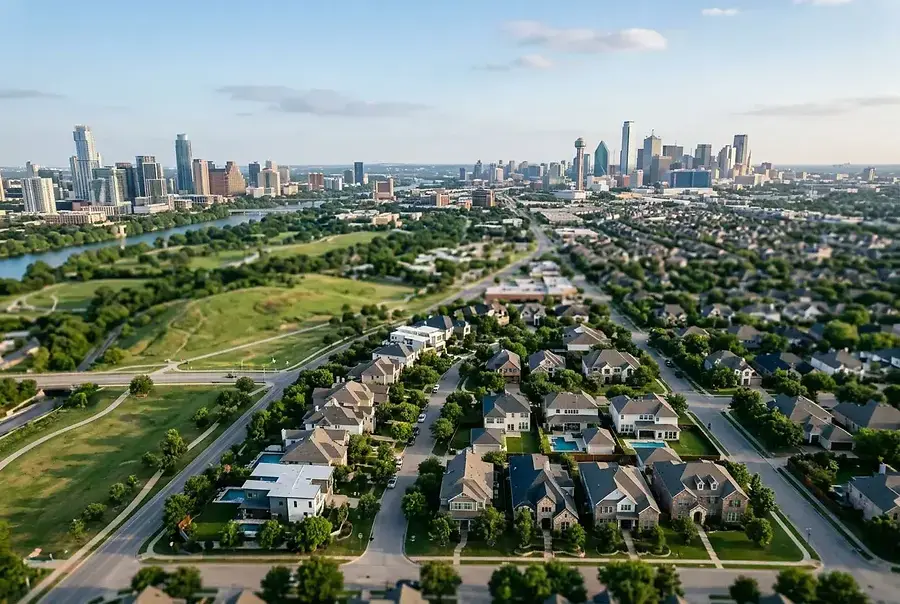
Understanding Regional Market Variations
The Texas real estate market has experienced significant growth and transformation over the past several years, with Austin and Dallas emerging as two of the most dynamic metropolitan areas in the nation. Both regions attract thousands of new residents annually, driven by job opportunities, quality of life, and relatively affordable housing compared to other major U.S. cities. However, the markets in these two regions operate quite differently, with distinct price points, growth trajectories, and investment potential.
Understanding these regional variations is crucial for anyone considering a home purchase in Texas. Whether you're a first-time homebuyer, an investor, or someone relocating to the state, knowing how Austin and Dallas compare can help you make a more informed decision about where to invest your money and build your future.
Price Comparisons: Austin vs. Dallas Metro Communities
Austin's Market Dynamics
Austin has positioned itself as a tech hub, attracting major companies and young professionals seeking career advancement and urban living. This demand has driven home prices upward considerably. The median home price in Austin proper has reached premium levels, making it one of the more expensive markets in Texas. However, surrounding communities like Cedar Park, Round Rock, and Pflugerville offer more affordable alternatives while maintaining proximity to the city's amenities and job centers.
- Central Austin: Premium pricing with limited inventory and high demand
- North Austin suburbs: Moderate pricing with growing infrastructure and schools
- South Austin: Mixed pricing depending on proximity to downtown and tech corridors
Dallas Market Overview
Dallas presents a different market profile. While also experiencing growth, Dallas generally offers more affordable entry points compared to Austin. The sprawling metropolis encompasses numerous neighborhoods and suburbs, each with distinct characteristics and price points. Areas like Plano, Frisco, and Arlington have become increasingly popular, offering suburban living with strong employment opportunities.
- Downtown Dallas: Urban living with moderate to high prices
- North Dallas suburbs: Competitive pricing with excellent schools and amenities
- East and South Dallas: More affordable options with emerging revitalization projects
Head-to-Head Comparison
On average, comparable homes in Austin command higher prices than similar properties in Dallas. A three-bedroom home in Austin's suburbs might cost 15-25% more than an equivalent property in Dallas suburbs. This price differential reflects Austin's stronger job market concentration in high-paying tech sectors and limited housing supply relative to demand. Dallas, with its more diversified economy spanning finance, healthcare, and manufacturing, offers greater affordability while still providing excellent career opportunities.
Neighborhood-Specific Value Factors Across Texas Locations
Employment Centers and Commute Considerations
The location of major employment hubs significantly influences home values in both regions. In Austin, proximity to tech campuses in North Austin and downtown commands premium prices. In Dallas, the concentration of corporate headquarters in the Uptown and Las Colinas areas drives demand in surrounding neighborhoods. Shorter commutes translate to higher property values, making suburban communities along major corridors particularly attractive.
School Quality and Family Appeal
School districts play a crucial role in determining neighborhood desirability and home values. Both Austin and Dallas boast excellent school systems, but specific districts command premium pricing. Families willing to pay more for top-rated schools should research district rankings and test scores. Communities like Frisco ISD in Dallas and Eanes ISD in Austin consistently rank among the state's best, justifying higher home prices in these areas.
Lifestyle and Amenities
Neighborhoods offering walkability, parks, restaurants, and entertainment options attract premium valuations. Austin's central neighborhoods emphasize urban lifestyle with proximity to live music venues, food trucks, and cultural attractions. Dallas suburbs often highlight family-friendly amenities, shopping centers, and recreational facilities. The type of lifestyle you prefer should influence your neighborhood selection and budget allocation.
Infrastructure Development and Future Growth
Emerging neighborhoods with planned infrastructure improvements often present excellent investment opportunities. Areas experiencing new highway construction, transit development, or commercial expansion typically see appreciation potential. Researching city development plans and zoning changes can help identify neighborhoods poised for growth.
"The best real estate investment isn't always in the most expensive neighborhood—it's in the neighborhood that offers the best value for your specific needs and financial situation."
Market Inventory and Competition
Austin's tighter inventory creates more competitive bidding situations, often resulting in homes selling above asking price. Dallas typically offers more inventory options, giving buyers greater negotiating power. If you prefer a less competitive buying experience with more choices, Dallas suburbs may suit you better. Conversely, if you believe in Austin's long-term appreciation potential, the competitive market may be worth navigating.
Choosing the Right Market for Your Home Investment
Selecting between Austin and Dallas depends on multiple personal and financial factors. Consider your career trajectory—if you work in tech, Austin likely offers better opportunities and justifies higher prices. If you're in finance, healthcare, or other diversified sectors, Dallas may provide better value. Evaluate your lifestyle preferences, family needs, and long-term plans.
For budget-conscious buyers: Dallas suburbs offer more affordable entry points with strong appreciation potential. Communities like Frisco, Plano, and Arlington provide excellent schools and amenities at reasonable prices.
For tech professionals: Austin's job market concentration justifies premium prices, though surrounding suburbs offer better value while maintaining career access.
For investors: Both markets offer opportunities. Austin may appreciate faster but requires higher initial investment. Dallas offers steadier growth with lower entry costs.
The Texas real estate market continues evolving, with both Austin and Dallas offering compelling opportunities for different buyer profiles. By understanding regional variations, comparing specific neighborhoods, and aligning your choice with personal priorities, you can make a confident investment decision that builds long-term wealth and satisfaction.