Honolulu Real Estate Investment: Balancing Commercial and Residential Opportunities
Discover how savvy investors are maximizing returns by strategically combining commercial and residential properties in Honolulu's dynamic market.

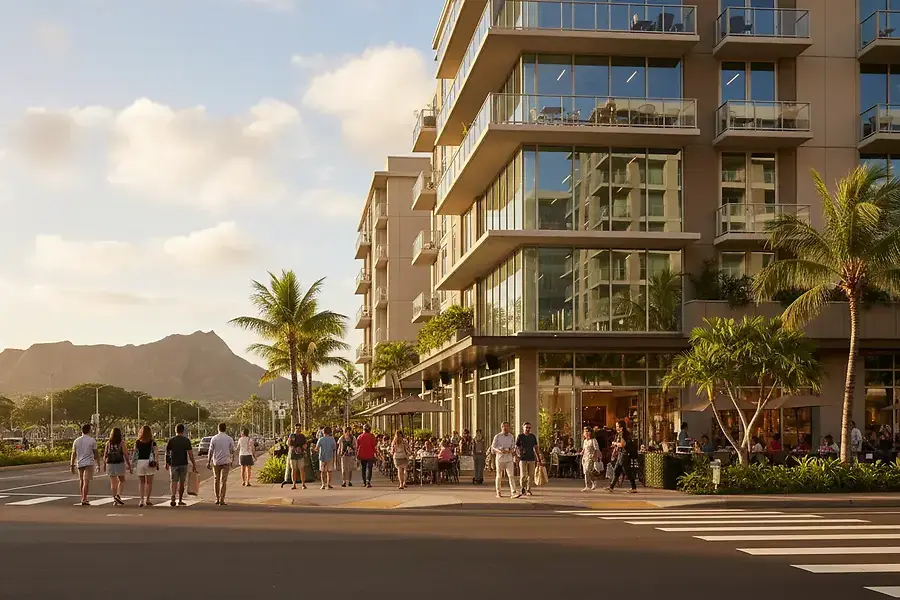
Understanding Honolulu's Dual Market Landscape: Commercial vs. Residential Opportunities
Honolulu's real estate market presents a unique dichotomy that savvy investors are learning to navigate with increasing sophistication. The residential sector, driven by strong demand from both local buyers and international investors, continues to show resilience and growth potential. Meanwhile, the commercial market offers compelling opportunities for those seeking steady cash flow and long-term appreciation.
The residential market in Honolulu benefits from limited land availability, consistent tourism-driven demand, and a strong local population seeking quality housing. Property values in established neighborhoods have demonstrated remarkable stability, even during market fluctuations. Conversely, the commercial sector thrives on Honolulu's status as a major business hub, attracting corporate headquarters, retail operations, and hospitality ventures.
Understanding the distinct characteristics of each market segment is crucial for investors looking to build a balanced portfolio. Residential properties typically offer:
- Steady rental income from long-term tenants
- Emotional appeal that attracts a broader buyer base
- Potential for appreciation in desirable neighborhoods
- Easier financing options through conventional mortgages
Commercial properties, on the other hand, provide:
- Higher potential returns on investment
- Longer lease terms and more stable tenants
- Tax advantages and depreciation benefits
- Diversification away from residential market volatility
The Rise of Mixed-Use Properties: Why Investors Are Choosing Residential-Commercial Hybrid Investments
The Strategic Advantage of Hybrid Properties
Mixed-use properties have emerged as a game-changing investment strategy in Honolulu. These developments combine residential units with commercial spaces, creating a synergistic environment that maximizes revenue potential. Investors are increasingly recognizing that hybrid properties offer the best of both worlds—residential stability paired with commercial growth opportunities.
The appeal of mixed-use investments lies in their versatility and income diversification. A single property can generate revenue from multiple sources: apartment rentals, retail leases, office spaces, and ground-floor commercial establishments. This multi-stream approach significantly reduces risk and creates more resilient investment vehicles.
Market Trends Driving Hybrid Adoption
Several factors are accelerating the popularity of mixed-use properties in Honolulu:
- Urban Walkability Demand: Modern consumers increasingly prefer neighborhoods where they can live, work, and shop in proximity
- Developer Efficiency: Mixed-use projects optimize land use in Honolulu's constrained real estate environment
- Economic Resilience: Diversified income streams provide buffer against market downturns
- Sustainability Focus: These properties align with growing environmental consciousness and reduced commuting needs
The data speaks for itself: mixed-use properties in Honolulu have demonstrated superior performance metrics compared to single-use investments over the past several years.
Key Neighborhoods for Blended Real Estate Success in Honolulu
Downtown Honolulu and Ala Moana
The downtown corridor remains the epicenter for mixed-use development. This area combines historic charm with modern infrastructure, attracting both residential tenants and commercial enterprises. Properties here benefit from proximity to government offices, corporate headquarters, and cultural institutions.
Kakaako District
Once an industrial area, Kakaako has transformed into Honolulu's most dynamic mixed-use neighborhood. This district exemplifies how strategic urban revitalization can create exceptional investment opportunities. The combination of trendy restaurants, art galleries, residential lofts, and creative office spaces makes it particularly attractive to younger demographics and forward-thinking businesses.
Waikiki and Surrounding Areas
While traditionally known for tourism and hospitality, Waikiki and adjacent neighborhoods are evolving to include more residential components. Smart investors are capitalizing on this transition by acquiring properties that can serve both tourist and residential markets, creating flexible revenue streams.
Emerging Neighborhoods
Areas like Kailua and Kaneohe are experiencing increased mixed-use development as investors look beyond traditional hotspots. These neighborhoods offer:
- More affordable entry points for investors
- Strong growth potential as infrastructure improves
- Less competition from established investors
- Appeal to families seeking suburban-urban balance
Making Your Move: How to Navigate Honolulu's Diverse Real Estate Market
Conduct Thorough Market Research
Before committing capital, investors must understand local market dynamics, zoning regulations, and demographic trends. Knowledge of Honolulu's unique regulatory environment is essential—the city has specific rules governing foreign ownership, short-term rentals, and commercial development that can significantly impact investment returns.
Partner with Local Experts
Working with experienced local real estate agents, property managers, and legal advisors is invaluable. These professionals understand nuances that outsiders might miss, from neighborhood-specific appreciation patterns to tenant preferences and seasonal market fluctuations.
Evaluate Financing Options
Mixed-use properties may require more sophisticated financing structures than single-use investments. Explore options including:
- Commercial real estate loans with favorable terms
- Portfolio loans that combine residential and commercial components
- Partnership structures that distribute risk and capital requirements
- Government-backed programs supporting local development
Assess Long-Term Viability
Consider the property's potential over a 10-20 year horizon. Will the neighborhood continue to attract quality tenants? Are there planned infrastructure improvements? The best investments are those positioned to benefit from long-term structural trends rather than short-term market cycles.
Start with a Clear Investment Strategy
The most successful investors in Honolulu's market have a clearly defined strategy before making their first purchase. Whether seeking immediate cash flow, long-term appreciation, or a balanced combination, clarity of purpose guides better decision-making.
Honolulu's real estate market offers tremendous opportunities for investors willing to understand its complexities. By strategically combining commercial and residential properties, particularly through mixed-use investments, savvy investors can build resilient, diversified portfolios that weather market cycles while capitalizing on Hawaii's enduring appeal. The key is approaching the market with research, expertise, and a long-term perspective.


