Houston Flood Insurance: Protecting Your Home Investment Explained
Learn why flood insurance is critical for Houston homeowners and how to choose the right coverage for your property.

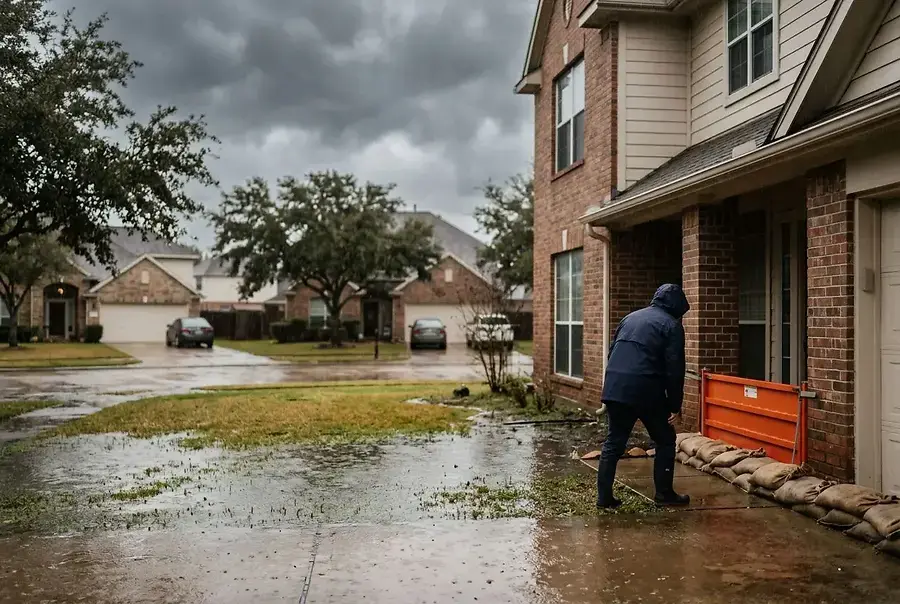
Understanding Flood Risk in Houston's Climate and Geography
Houston faces unique flood challenges due to its geographic location and climate patterns. Situated near the Gulf Coast with low elevation and heavy rainfall, the city experiences significant flood risk that extends far beyond traditional homeowners insurance coverage. Understanding these risks is the first step toward protecting your investment.
The Houston area receives substantial annual rainfall, and tropical storms and hurricanes can dump enormous amounts of water in short periods. Additionally, the region's flat terrain and aging drainage infrastructure mean that water accumulates quickly and drains slowly. Standard homeowners insurance policies do not cover flood damage, making dedicated flood insurance essential for most property owners in the area.
Why Houston Homeowners Need Flood Insurance
Many homeowners mistakenly believe their standard insurance policies protect them from flood damage. This misconception can be financially devastating. Flood insurance is a separate policy that specifically covers water damage from rising water, heavy rainfall, and storm surge.
- Flood damage can cost tens of thousands of dollars to repair
- Standard homeowners insurance excludes all flood-related damage
- Mortgage lenders often require flood insurance in high-risk zones
- Recovery without insurance can take years and drain savings
Types of Flood Insurance Coverage and Policy Options
Understanding the different types of flood insurance available helps you make informed decisions about protecting your home. There are two primary sources for flood insurance in Houston.
National Flood Insurance Program (NFIP)
The NFIP is a federal program that provides flood insurance to homeowners, renters, and business owners. This is often the most affordable option and is available in participating communities throughout Houston.
- Building Coverage: Covers the structure, foundation, and permanently installed equipment up to $250,000
- Contents Coverage: Protects personal belongings and household items up to $100,000
- Basement Coverage: Limited coverage for finished basements and items stored below ground level
Private Flood Insurance
Private insurers now offer flood insurance policies that may provide higher coverage limits and additional benefits compared to NFIP policies. These policies can be customized to your specific needs and property characteristics.
"Private flood insurance offers flexibility and potentially better coverage options for homeowners seeking comprehensive protection beyond federal program limitations."
Comparing Coverage Options
When evaluating flood insurance options, consider:
- Coverage limits and deductibles
- Premium costs and payment plans
- Claims process and customer service
- Coverage for additional structures and contents
- Waiting periods before coverage becomes effective
Evaluating Your Property's Flood Zone and Insurance Needs
Your property's flood zone designation significantly impacts your insurance requirements and costs. Understanding where your home falls within the flood risk categories is crucial for determining appropriate coverage.
Flood Zone Designations
FEMA divides areas into different flood zones based on historical data and risk assessment:
- High-Risk Zones (A and V): Properties in these zones have a 1% annual chance of flooding and are considered high-risk
- Moderate-Risk Zones (B and X): These areas have a 0.2% to 1% annual chance of flooding
- Low-Risk Zones (C and X): Areas with minimal flood risk, though flooding is still possible
Determining Your Flood Zone
You can determine your property's flood zone by:
- Visiting FEMA's Flood Map Service Center online
- Contacting your local emergency management office
- Consulting with your insurance agent or mortgage lender
- Reviewing your property's flood insurance study
Assessing Your Coverage Needs
Beyond your flood zone, consider these factors when determining coverage amounts:
- Replacement Cost: Calculate the full cost to rebuild your home and replace contents
- Mortgage Requirements: Lenders in high-risk zones mandate flood insurance
- Personal Risk Tolerance: Consider how much financial loss you could absorb
- Property Improvements: Recent renovations increase replacement costs
Securing Your Home's Financial Protection
Taking action to secure flood insurance protects your home investment and provides peace of mind. The process is straightforward when you understand your options and requirements.
Steps to Obtain Flood Insurance
Step 1: Determine Your Flood Zone - Use FEMA maps to identify your property's risk level and insurance requirements.
Step 2: Calculate Coverage Needs - Assess your home's replacement value and contents to determine appropriate coverage limits.
Step 3: Compare Quotes - Obtain quotes from multiple insurers, including NFIP and private providers, to find the best rates and coverage.
Step 4: Review Policy Details - Carefully read policy documents to understand coverage limits, deductibles, exclusions, and waiting periods.
Step 5: Purchase and Maintain Coverage - Buy your policy well before hurricane season and maintain continuous coverage to avoid gaps in protection.
Additional Risk Reduction Strategies
Beyond insurance, implementing protective measures can reduce flood risk and potentially lower premiums:
- Install flood vents or barriers in vulnerable areas
- Elevate utilities and mechanical systems above flood levels
- Maintain gutters and drainage systems
- Consider flood-resistant landscaping and grading
- Keep important documents in waterproof, elevated storage
Staying Informed and Protected
Flood insurance needs may change as your property and circumstances evolve. Review your coverage annually to ensure it remains adequate. Stay informed about changes to flood maps, insurance regulations, and available coverage options.
Working with an experienced insurance agent who understands Houston's unique flood risks ensures you have appropriate protection. Don't wait for flood season to address this critical need—secure your coverage today and protect your home investment for years to come.


