Houston Home Appraisals: Maximize Your Property's True Value
Understand how appraisals affect your sale price and learn strategies to maximize your home's appraised value.

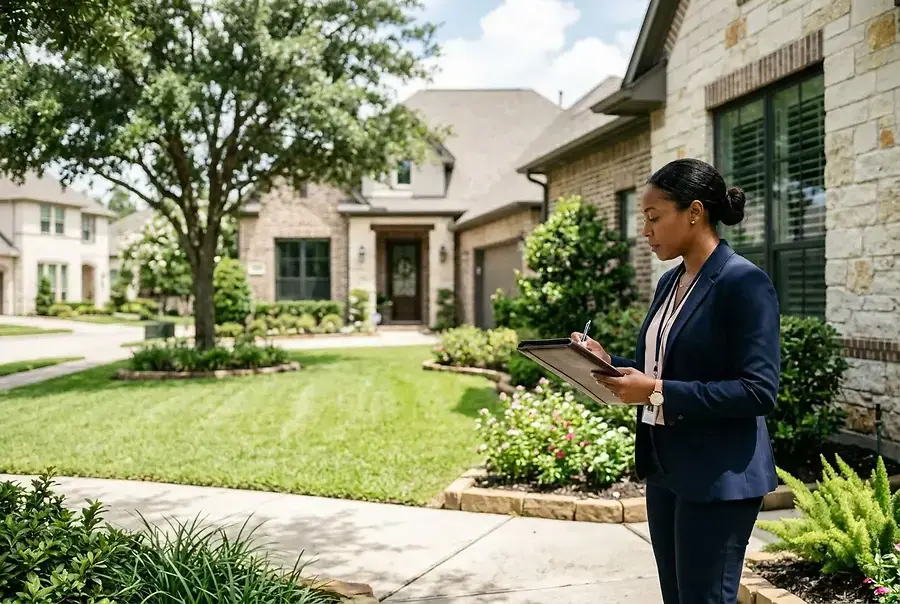
The Critical Role of Home Appraisals in Houston Sales
When you're selling your Houston home, the appraisal is one of the most critical steps in the transaction. An appraisal determines your property's fair market value and directly impacts the sale price, financing options, and whether the deal closes on time. Unlike a listing price or market estimate, a professional appraisal carries significant weight with lenders and buyers alike.
Many Houston homeowners underestimate the importance of appraisals in their sales strategy. The truth is, a low appraisal can derail a sale, create financing complications, or force you to accept a lower offer. Conversely, a strong appraisal validates your asking price and gives buyers confidence in their investment. Understanding how appraisals work and how to prepare for them is essential for maximizing your home's true value.
How Houston Appraisers Evaluate Your Property and What Impacts Value
The Appraisal Process
Houston appraisers follow a systematic approach to evaluate residential properties. They begin with a thorough inspection of your home's interior and exterior, examining structural integrity, systems, and overall condition. They measure square footage, count rooms, and assess the quality of construction and materials used throughout the property.
Beyond the physical inspection, appraisers analyze comparable sales data from similar properties in your neighborhood. They look at recent sales prices, property sizes, lot dimensions, and special features to establish a baseline for valuation. This comparative market analysis is crucial because it grounds the appraisal in real market data rather than subjective opinions.
Key Factors That Impact Your Home's Appraised Value
Location and Neighborhood: Your property's location is one of the most significant value drivers. Appraisers consider neighborhood desirability, school district quality, proximity to amenities, and local market trends. Houston's diverse neighborhoods command different price points based on these factors.
Home Condition and Age: The overall condition of your home significantly affects its appraised value. Appraisers note deferred maintenance, needed repairs, and the age of major systems like roofing, HVAC, plumbing, and electrical. Newer homes or those with recent updates typically appraise higher than homes requiring significant work.
Square Footage and Layout: The usable square footage of your home is a primary valuation metric. Appraisers measure living space carefully and consider how the layout functions. Open floor plans, adequate storage, and logical room configurations add value.
Special Features and Upgrades: High-quality upgrades like updated kitchens, modern bathrooms, energy-efficient windows, and premium flooring positively impact appraisals. However, appraisers focus on improvements that add genuine value to the property, not personal preferences or over-customization.
Lot Size and Outdoor Space: The size and usability of your lot matter. Appraisers evaluate landscaping, outdoor living areas, and whether the lot is appropriately sized for the home and neighborhood. Well-maintained yards and functional outdoor spaces add value.
Preparing Your Home to Achieve the Strongest Possible Appraisal
Essential Pre-Appraisal Preparations
Clean and Declutter Thoroughly: First impressions matter. A clean, well-organized home allows appraisers to see your property's true condition and potential. Deep clean all areas, including often-overlooked spaces like baseboards, light fixtures, and windows. Remove personal clutter that might distract from the home's features.
Address Obvious Repairs and Maintenance Issues: Fix anything that's visibly broken or in disrepair. This includes:
- Leaky faucets and running toilets
- Cracked or missing tiles
- Broken cabinet handles or doors
- Peeling paint or wallpaper
- Damaged flooring or carpeting
- Non-functional light fixtures
These minor repairs are inexpensive but signal that the home has been well-maintained, which positively influences appraisers' overall assessments.
Strategic Improvements That Add Value
Kitchen and Bathroom Updates: If your budget allows, kitchen and bathroom improvements offer strong returns on investment. Updated cabinetry, modern fixtures, and quality countertops are among the first things appraisers notice and evaluate.
Curb Appeal Enhancement: Your home's exterior is the first thing appraisers see. Invest in landscaping, fresh exterior paint, new shutters, or an updated front door. A well-maintained exterior suggests the entire property has been cared for properly.
Energy Efficiency Upgrades: Modern appraisers increasingly value energy-efficient features. New HVAC systems, insulation improvements, energy-efficient windows, and updated water heaters demonstrate responsible homeownership and reduce future utility costs for buyers.
Flooring Improvements: Worn carpeting or damaged hardwood floors negatively impact appraisals. Replacing or refinishing flooring in visible areas can significantly boost your home's appraised value.
Documentation and Communication
Prepare documentation of recent improvements and repairs. Keep receipts, warranties, and records of major work completed. When the appraiser arrives, briefly mention significant upgrades or recent improvements—this helps ensure they're properly factored into the valuation.
Ensure all utilities are on and accessible. Appraisers need to test systems and inspect all areas of your home. Make sure gates, doors, and storage areas are unlocked and accessible.
What NOT to Do Before an Appraisal
Don't Make Major Renovations Right Before Appraisal: Appraisers may not give full credit for very recent work, and incomplete projects can raise red flags about the home's condition.
Don't Misrepresent Your Home: Never hide problems or provide false information. Appraisers are trained to identify issues, and dishonesty can jeopardize the entire transaction.
Don't Over-Personalize: While your home should be clean, avoid excessive decorations or personal items that might distract from the property's actual features and condition.
Using Appraisal Knowledge to Strengthen Your Sale
Understanding how appraisals work empowers you to take strategic action before your home is evaluated. By addressing maintenance issues, making smart improvements, and presenting your property in its best light, you maximize the likelihood of a strong appraisal that supports your asking price.
Remember that appraisals are based on objective criteria and comparable market data, not emotion or personal attachment to your home. Focus your preparation efforts on factors that appraisers actually evaluate: condition, functionality, and market-comparable features.
When you work with a knowledgeable real estate agent familiar with Houston's market, they can provide specific guidance on which improvements will have the greatest impact on your appraisal. This strategic approach helps ensure your home's appraised value reflects its true worth, supporting a successful and profitable sale.


