Houston Home Inspection Checklist: Critical Steps Before Closing
Learn what every buyer and seller should verify during a home inspection to protect their investment and avoid costly surprises.

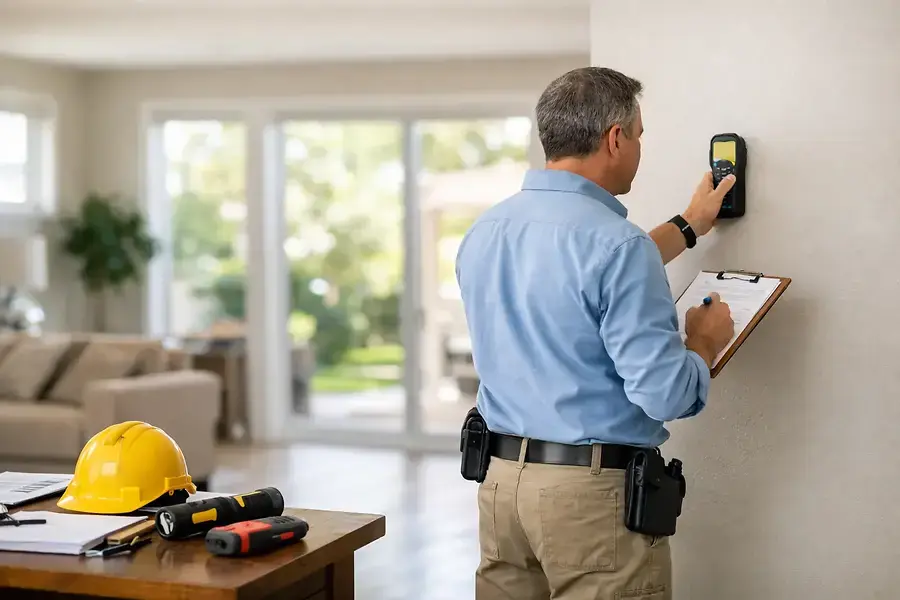
Understanding the Home Inspection Process
A home inspection is one of the most important steps in the real estate transaction process. Whether you're buying or selling a property in Houston, understanding what happens during an inspection can help you make informed decisions and protect your financial investment.
A professional home inspector will conduct a thorough examination of the property, typically lasting 2-4 hours. They assess the structural integrity, mechanical systems, and overall condition of the home. This inspection is not a pass-or-fail evaluation, but rather a detailed report that identifies any issues, defects, or areas requiring maintenance.
As a buyer, you have the right to be present during the inspection. This gives you the opportunity to ask questions and understand the property's condition firsthand. Sellers should also consider being present to address any concerns and provide context about repairs or upgrades they've made.
Key Areas to Evaluate in Your Houston Property
Structural Components
The foundation is critical in Houston's climate, where soil movement and moisture issues are common. Inspectors will look for cracks, settling, or signs of water damage. They'll also examine the roof, walls, and overall structural integrity to ensure the home is safe and sound.
Roofing and Exterior
Houston's hot, humid climate and occasional severe weather make the roof one of the most important components to inspect. Look for:
- Missing or damaged shingles
- Signs of leaks or water damage
- Proper drainage and gutters
- Condition of siding and exterior walls
HVAC Systems
Air conditioning is essential in Houston. The inspector will test the heating and cooling systems to ensure they're functioning properly and efficiently. A well-maintained HVAC system can save you thousands in energy costs and provide comfort year-round.
Plumbing and Water Systems
The inspector will check for:
- Water pressure and flow
- Signs of leaks or corrosion
- Water heater condition and age
- Proper drainage throughout the property
- Septic system functionality (if applicable)
Electrical Systems
A safe electrical system is paramount. Inspectors will verify that the electrical panel is up to code, outlets are properly grounded, and there are no fire hazards or outdated wiring that could pose safety risks.
Interior Conditions
Don't overlook the interior details. The inspector will examine:
- Doors and windows for proper operation
- Flooring condition and potential moisture issues
- Walls and ceilings for cracks or water stains
- Insulation and ventilation
- Appliances included in the sale
Common Issues Found in Houston Homes
Water Damage and Moisture Problems
Houston's humid climate and occasional flooding make water damage a frequent concern. Look for discoloration, mold, or musty odors that indicate moisture intrusion. These issues can be expensive to remediate and may affect the home's structural integrity.
Foundation Issues
The clay soil common in the Houston area can shift and settle, causing foundation problems. Cracks in the foundation, uneven floors, or doors that don't close properly may indicate foundation movement that requires professional evaluation.
Outdated Electrical Systems
Older Houston homes may have outdated electrical panels or insufficient capacity for modern appliances. Upgrading electrical systems can be costly, so it's important to understand the scope of any needed work.
HVAC Concerns
Air conditioning units that are nearing the end of their lifespan may need replacement soon. A unit that's over 10-15 years old should be evaluated carefully, as replacement costs can be significant.
Pest and Termite Damage
Houston's warm climate makes it attractive to pests. Termite damage, wood rot, and pest infestations are common issues that should be addressed before closing. A separate pest inspection may be recommended.
Roof Deterioration
The intense sun and occasional hail storms in Houston can accelerate roof aging. Inspectors will assess the roof's remaining lifespan and identify any areas needing repair or replacement.
Next Steps After Your Inspection Report
Review the Report Carefully
Take time to thoroughly review the inspection report. Ask your real estate agent or inspector to clarify any findings you don't understand. Don't ignore minor issues—they can compound over time and become expensive problems.
Prioritize Issues by Severity
Categorize findings into three groups: critical safety issues, major repairs needed, and minor maintenance items. Focus your negotiations on the most important concerns that could affect the home's value or safety.
Obtain Repair Estimates
For significant issues, get quotes from licensed contractors. This gives you concrete numbers to use in negotiations with the seller. Armed with repair estimates, you can request the seller make repairs, offer credits, or adjust the purchase price.
Decide on Your Next Move
You have several options after receiving the inspection report:
- Request repairs: Ask the seller to fix critical issues before closing
- Request credits: Have the seller provide funds to cover repairs you'll handle
- Renegotiate price: Adjust the offer based on the property's condition
- Walk away: If issues are too severe or costly, you may choose to cancel the purchase
Plan for Future Maintenance
Even if the inspection reveals no major issues, use the report as a maintenance guide. Regular upkeep can prevent small problems from becoming big expenses. Schedule routine HVAC maintenance, roof inspections, and plumbing checks to keep your Houston home in excellent condition.
A thorough home inspection is an investment in your peace of mind and financial security. By understanding what to look for and how to respond to inspection findings, you'll be better equipped to make smart decisions about your Houston property purchase.


