Houston Home Inspection Guide: What Buyers Need to Know
Discover what savvy Houston buyers look for during inspections to avoid costly surprises.

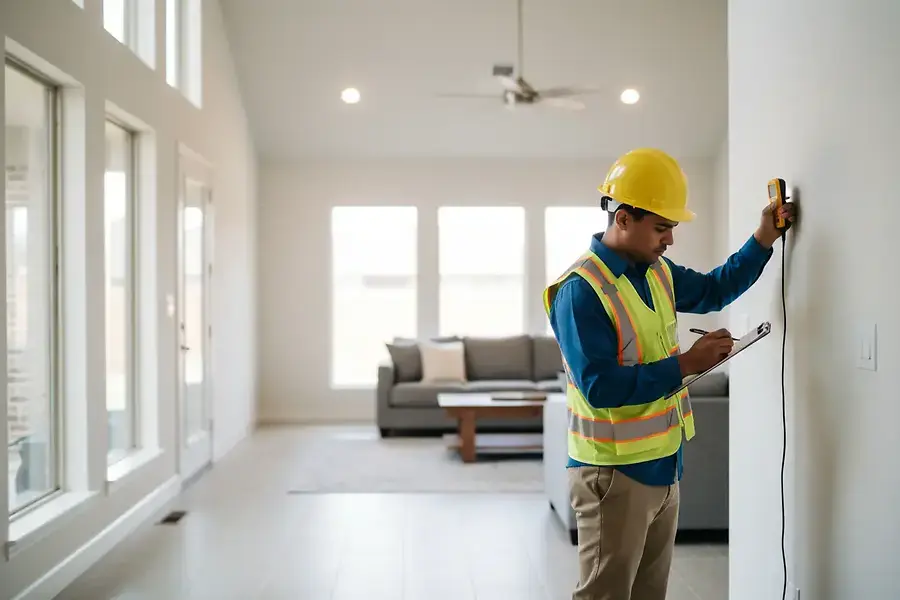
Why Home Inspections Matter in Houston's Market
Purchasing a home is one of the most significant investments you'll make in your lifetime. In Houston's competitive real estate market, a thorough home inspection can be the difference between finding your dream home and inheriting a money pit. Home inspections provide an objective assessment of a property's condition, revealing hidden issues that could cost thousands to repair.
Many first-time buyers underestimate the importance of inspections, viewing them as an unnecessary expense. However, a professional inspection typically costs between $300-$500 and can uncover problems worth tens of thousands of dollars. In Houston's humid climate and aging housing stock, this investment is invaluable.
A home inspection protects your financial interests and gives you leverage in negotiations. It's your opportunity to identify problems before closing, allowing you to request repairs, credits, or renegotiate the purchase price.
Key Inspection Areas Specific to Houston Properties
Roof and Attic Condition
Houston's intense sun and frequent storms make roof inspection critical. Inspectors will look for:
- Missing, cracked, or curling shingles
- Proper ventilation and insulation in the attic
- Signs of water damage or leaks
- The age and remaining lifespan of the roof
Most Houston roofs last 15-20 years. If the roof is nearing the end of its life, budget for replacement costs of $8,000-$15,000.
Foundation and Structural Integrity
Houston's clay soil is prone to shifting, which can cause foundation problems. Inspectors will examine:
- Cracks in the foundation or walls
- Uneven floors or doors that don't close properly
- Signs of previous foundation repairs
- Drainage around the property
Foundation issues are expensive to repair and should be taken seriously. If significant problems are found, request a specialized foundation inspection before proceeding.
HVAC Systems
Air conditioning is essential in Houston. The inspector will evaluate:
- Age and condition of the AC unit
- Proper cooling and heating function
- Ductwork integrity
- Maintenance records
A new AC unit costs $4,000-$8,000, so knowing the age and condition is crucial for budgeting.
Plumbing and Water Systems
Houston's water quality and aging pipes require careful inspection:
- Water pressure and flow rate
- Pipe material and condition (galvanized, copper, PVC)
- Signs of leaks or water damage
- Water heater age and functionality
- Sump pump operation (if applicable)
Older homes may have galvanized pipes that are corroding and need replacement, a costly undertaking.
Electrical System
Safety is paramount with electrical systems. Inspectors check:
- Panel capacity and condition
- Proper grounding and bonding
- Outdated wiring (knob-and-tube, aluminum)
- GFCI outlets in wet areas
- Overall code compliance
Moisture and Mold
Houston's humidity creates ideal conditions for mold growth. Inspectors will look for:
- Visible mold or mildew
- Water stains on ceilings and walls
- Musty odors
- Proper ventilation in bathrooms and kitchen
Mold remediation can be expensive and pose health risks, making this inspection area particularly important in Houston.
Red Flags and How to Negotiate After Inspection Results
Major Red Flags
Certain findings should give you serious pause:
- Foundation cracks or settling: These require professional assessment and can indicate major structural problems
- Extensive mold or water damage: Points to ongoing moisture issues that may be costly to resolve
- Outdated electrical systems: Pose fire hazards and may require complete rewiring
- Roof near end of life: Replacement is imminent and expensive
- Signs of pest infestation: Termites and other pests can cause structural damage
Negotiation Strategies
Once you have inspection results, you have several options:
Request repairs: Ask the seller to fix identified issues before closing. This is most effective for straightforward repairs.
Request credits: Ask for a credit toward closing costs to handle repairs yourself. This gives you control over the work quality.
Renegotiate price: Use inspection findings to justify a lower offer, accounting for repair costs.
Walk away: If major issues are discovered, you may decide the property isn't worth the investment.
Pro Tip: Get repair estimates from licensed contractors before negotiating. This gives you concrete numbers to present to the seller and strengthens your negotiating position.
Working with Your Inspector
Attend the inspection if possible. Ask questions and request clarification on findings. A good inspector will explain issues in detail and discuss repair options. Request a detailed written report that you can share with contractors for estimates.
Making Informed Decisions with Inspection Data
A home inspection report is your roadmap to understanding the property's true condition. Don't ignore findings or assume minor issues will resolve themselves. Instead, use the inspection data to make an informed decision about whether this property is right for you.
Consider the total cost of ownership, including necessary repairs and ongoing maintenance. Sometimes a property that appears affordable at first glance becomes expensive when repair costs are factored in.
Remember: a thorough home inspection is your best defense against costly surprises. By understanding what to look for and how to respond to inspection findings, you'll navigate Houston's real estate market with confidence and protect your investment for years to come.