Houston Property Tax Assessments: Understanding Your Home's Valuation
Learn how Houston property taxes are calculated and what you can do to ensure your assessment is fair.

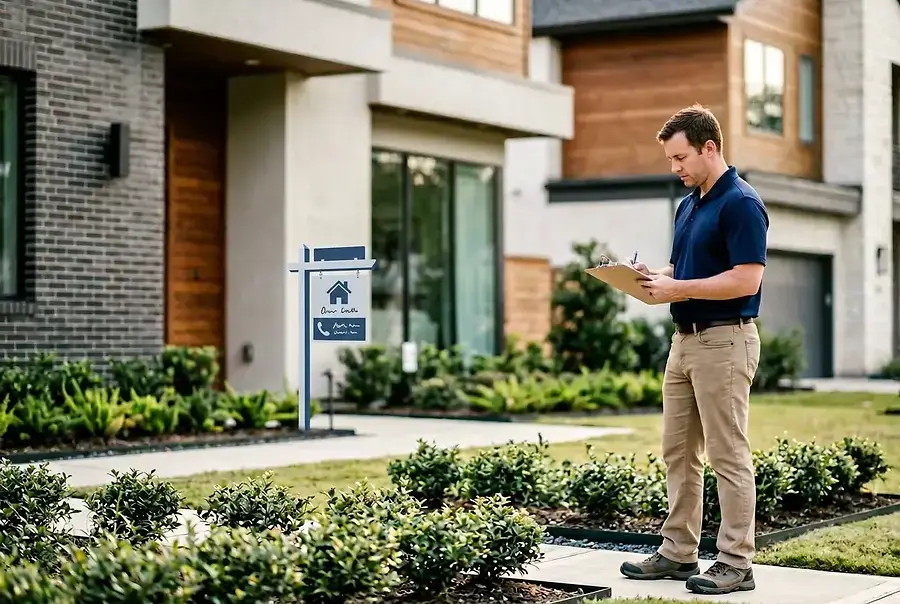
How Houston Property Tax Assessments Work
Understanding how property tax assessments work in Houston is the first step toward managing your tax burden effectively. The Harris County Appraisal District (HCAD) is responsible for assessing all properties in the Houston area. Their primary goal is to determine the fair market value of your home, which serves as the basis for calculating your property taxes.
The assessment process begins with a comprehensive evaluation of your property. Appraisers examine various aspects of your home, including its size, age, condition, and location. They also consider recent sales of comparable properties in your neighborhood to establish a fair market value. This value is then multiplied by the applicable tax rate to determine your annual property tax bill.
It's important to note that your assessed value may differ from your home's actual market value. The HCAD uses standardized methods to ensure consistency across all properties, but these methods don't always capture every unique feature of your home.
Common Factors That Affect Your Home's Valuation
Physical Characteristics
The physical features of your home play a significant role in its valuation. Appraisers evaluate:
- Square footage and lot size
- Number of bedrooms and bathrooms
- Age and construction quality
- Roof condition and exterior materials
- Interior finishes and upgrades
Homes with recent renovations or high-quality materials typically receive higher valuations. Conversely, properties requiring significant repairs may be assessed at lower values.
Location and Neighborhood Factors
Your home's location significantly impacts its assessed value. Properties in desirable neighborhoods with good schools, low crime rates, and convenient access to amenities tend to have higher valuations. Proximity to major employers, shopping centers, and public transportation also influences assessment values.
Market Conditions
The broader real estate market in Houston affects property valuations. When home prices rise in your area, your assessed value typically increases as well. The HCAD regularly reviews comparable sales to ensure assessments reflect current market conditions.
Property Improvements
Any significant improvements you make to your property can trigger a reassessment. Adding a pool, expanding your home, or installing a new roof may increase your assessed value. It's crucial to understand that improvements, while adding value to your home, can also increase your property tax burden.
Steps to Challenge an Unfair Assessment
Step 1: Review Your Assessment Notice
The HCAD sends assessment notices to all property owners. Carefully review this document to ensure all information about your property is accurate. Check for errors in square footage, lot size, number of rooms, or property condition. Even small mistakes can affect your valuation.
Step 2: Gather Supporting Documentation
Collect evidence to support your challenge. This may include:
- Recent appraisals from a licensed appraiser
- Comparable sales data for similar properties in your area
- Photos documenting property condition or needed repairs
- Documentation of any errors in the assessment notice
- Records of recent property improvements or damage
Step 3: File a Formal Protest
If you believe your assessment is unfair, you can file a formal protest with the HCAD. The deadline to protest is typically May 15th each year. You can file your protest online, by mail, or in person at the HCAD office. Include all supporting documentation with your protest.
Step 4: Attend the Appraisal Review Board Hearing
If the HCAD doesn't resolve your protest satisfactorily, you have the right to request a hearing before the Appraisal Review Board (ARB). This independent board reviews disputes between property owners and the appraisal district. Present your evidence clearly and professionally, explaining why you believe your assessment is incorrect.
Step 5: Consider Legal Action if Necessary
If you're still unsatisfied after the ARB hearing, you may pursue legal action through the courts. Many property owners hire real estate attorneys or appraisers to represent them in these cases. While this option involves additional costs, it may be worthwhile if your property's overvaluation is significant.
Conclusion: Taking Control of Your Property Tax Burden
Property tax assessments can significantly impact your annual housing costs, making it essential to understand how they work and ensure they're fair. By familiarizing yourself with the assessment process and knowing your rights, you can take proactive steps to protect your financial interests.
Remember: challenging an unfair assessment is your right as a property owner. Don't hesitate to question valuations that seem inaccurate or excessive.
Whether you're a longtime Houston homeowner or new to the area, staying informed about property tax assessments empowers you to make better financial decisions. Review your assessment notice annually, stay aware of market conditions in your neighborhood, and don't hesitate to file a protest if you believe your valuation is unfair. Taking these steps can help you manage your property tax burden more effectively and ensure you're paying a fair share.


