How Home Inspection Protects Your Residential Investment in Oregon
Discover what professional home inspectors look for and why this critical step matters before closing on your Springfield, Eugene, or Salem property.

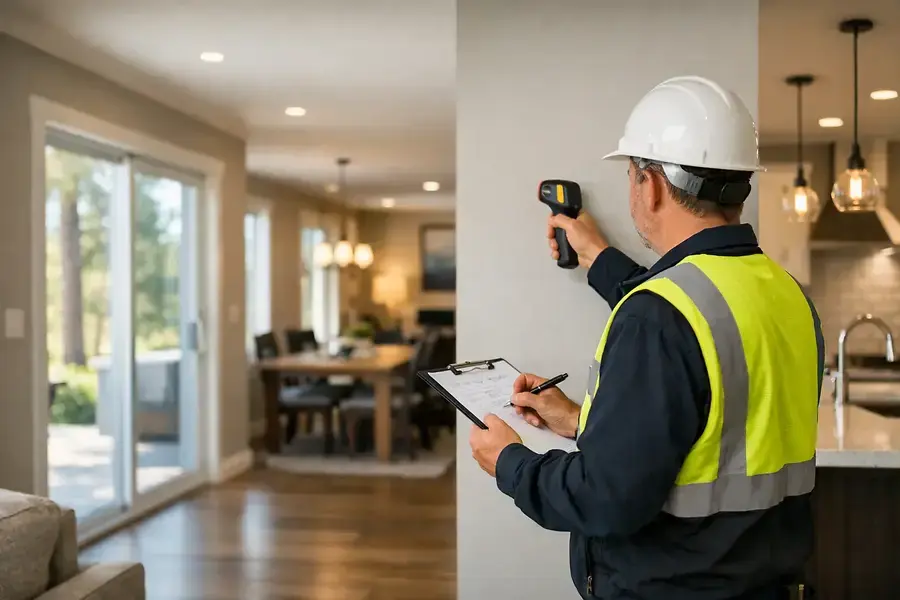
Understanding the Home Inspection Process and What Inspectors Evaluate
A professional home inspection is one of the most important steps in the home buying process. When you're investing in a residential property in Oregon—whether in Springfield, Eugene, or Salem—a thorough inspection provides you with critical information about the condition of your potential new home.
During a standard home inspection, licensed inspectors examine both the interior and exterior of the property. They evaluate structural components, mechanical systems, and overall safety features. Here's what you can expect inspectors to assess:
- Foundation and Structure: Inspectors look for cracks, settling, water damage, and structural integrity issues that could indicate serious problems.
- Roofing System: They examine the roof's age, condition, and potential leaks, as well as gutters and drainage systems.
- Plumbing: Water pressure, drainage, pipe materials, and signs of leaks are thoroughly evaluated.
- Electrical Systems: Inspectors check the panel, wiring, outlets, and overall safety compliance.
- HVAC Systems: Heating, ventilation, and air conditioning units are tested for proper function and maintenance needs.
- Insulation and Ventilation: Proper insulation and airflow are essential for energy efficiency and preventing moisture problems.
- Windows and Doors: Inspectors assess functionality, weatherproofing, and potential energy loss.
The inspection typically takes two to three hours, and you should always attend to ask questions and gain a better understanding of the property's condition.
Common Issues Found in Oregon Homes and How They Affect Your Offer
Moisture and Water Damage
Oregon's wet climate makes moisture-related issues one of the most common problems found in regional homes. Inspectors frequently discover water stains, mold, rot in wooden structures, and basement moisture. These issues can be expensive to remediate and may indicate ongoing problems that could affect your long-term investment.
Roof Condition
Given Oregon's rainy weather, roof condition is critical. Many homes have roofs nearing the end of their lifespan, which can lead to significant repair or replacement costs. A roof inspection can reveal whether you're looking at minor repairs or a major expense.
Outdated Electrical Systems
Older Oregon homes often have outdated electrical systems that may not meet current safety standards. Aluminum wiring, insufficient grounding, or overloaded panels can pose fire hazards and may require expensive upgrades.
Plumbing Issues
Corroded pipes, galvanized plumbing, or outdated systems are frequently discovered during inspections. These issues can affect water quality and may require replacement, which represents a significant investment.
How These Issues Affect Your Offer: When inspection results reveal problems, you have several options. You can request the seller make repairs, ask for a price reduction, request a credit at closing, or renegotiate the terms of your purchase agreement. Understanding the severity and cost of repairs helps you make informed decisions about your investment.
Using Inspection Results to Negotiate Better Terms with Sellers
Getting a Professional Estimate
Before negotiating, obtain written estimates from licensed contractors for any significant repairs identified in the inspection. This gives you concrete numbers to present to the seller and strengthens your negotiating position.
Prioritizing Issues
Not all inspection findings are created equal. Focus on major structural issues, safety concerns, and systems that are essential for the home's function. Minor cosmetic issues or routine maintenance items are typically the buyer's responsibility after closing.
Making Your Request
Present your findings professionally and factually. Rather than making demands, frame your request as a collaborative solution. For example: "The inspection revealed the roof has approximately five years of remaining life. We'd like to request a $12,000 credit at closing to address this anticipated expense."
Sellers are often more willing to negotiate when they understand the specific issues and the reasonable costs associated with repairs. Be prepared to walk away if the seller is unwilling to address critical safety or structural concerns.
Contingency Clauses
Ensure your purchase agreement includes an inspection contingency. This protects you by allowing you to renegotiate or withdraw from the purchase if inspection results reveal significant undisclosed problems.
Final Walkthrough and Closing: Ensuring Peace of Mind in Your New Home
The Final Walkthrough
Before closing, conduct a final walkthrough of the property. This is your opportunity to verify that any agreed-upon repairs have been completed satisfactorily and that the home is in the condition you expected. Check that:
- All negotiated repairs have been completed by licensed professionals
- The home is in the agreed-upon condition
- Agreed-upon items or fixtures are still present
- There are no new issues or damage since the inspection
Closing with Confidence
A thorough home inspection process gives you the knowledge and confidence to move forward with your purchase. You understand the property's true condition, have addressed major concerns, and can plan for future maintenance and improvements with realistic expectations.
Protecting Your Investment: Your home is likely the largest financial investment you'll make. Taking the time to conduct a professional inspection in Springfield, Eugene, Salem, or anywhere in Oregon isn't just a formality—it's a critical step in protecting that investment. A qualified home inspector provides an objective assessment that empowers you to make informed decisions and negotiate from a position of knowledge.
By understanding what inspectors evaluate, recognizing common Oregon-specific issues, and using inspection results strategically, you ensure that your new home purchase is a sound investment for years to come.