How Property Appraisals and Home Valuations Impact Your Sale
Discover what appraisers look for and how to maximize your home's assessed value.

Why Property Appraisals Matter in Real Estate
When you're selling your home, one of the most critical moments in the process is the property appraisal. This independent assessment determines your home's fair market value, which directly influences the final sale price and whether the buyer's lender will approve financing. Understanding how appraisals work can be the difference between a successful sale and a deal that falls through.
A property appraisal is more than just a number—it's a professional opinion backed by market research, comparable sales analysis, and a thorough physical inspection of your home. Lenders require appraisals to protect their investment, ensuring they're not lending more money than the property is worth. For sellers, knowing what appraisers look for allows you to present your home in the best possible light and potentially increase its assessed value.
The stakes are high, which is why preparation and knowledge are essential.
Key Factors That Influence Your Home's Appraised Value
Location and Market Conditions
Your home's location is one of the most significant factors in its valuation. Appraisers evaluate the neighborhood's desirability, proximity to schools, shopping centers, employment hubs, and public transportation. They also consider local market trends, recent comparable sales in your area, and the overall economic health of the community.
- Proximity to quality schools and educational institutions
- Access to shopping, dining, and entertainment
- Crime rates and neighborhood safety
- Local employment opportunities
- Recent comparable property sales
Home Structure and Condition
The physical condition of your home is paramount. Appraisers conduct a detailed inspection, examining the foundation, roof, walls, and overall structural integrity. Any signs of damage, needed repairs, or deferred maintenance will negatively impact the appraisal value.
Key areas of focus include:
- Roof condition and remaining lifespan
- Foundation stability and any cracks or settling
- Plumbing and electrical systems functionality
- HVAC system age and condition
- Windows, doors, and exterior siding
- Interior walls, flooring, and paint condition
Square Footage and Layout
The usable square footage of your home directly correlates with its value. Appraisers measure the living space and compare it to similar properties in your area. An efficient, well-designed layout that maximizes usable space will appraise higher than a poorly configured home of the same size.
Age and Upgrades
While older homes can have charm and character, newer homes or those with recent upgrades typically appraise higher. Modern kitchens, updated bathrooms, energy-efficient windows, and smart home technology all add value. However, upgrades must be appropriate for the neighborhood—a luxury kitchen in a modest neighborhood may not add proportional value.
Amenities and Special Features
Special features can significantly boost your home's appraised value. These include:
- Swimming pools and hot tubs
- Finished basements or bonus rooms
- Decks, patios, and outdoor living spaces
- Fireplaces and built-in features
- Garages and covered parking
- Energy-efficient systems and green features
The Appraisal Process: What Happens During a Home Valuation
Pre-Appraisal Preparation
Before the appraiser arrives, you can take steps to maximize your home's value. Clean and declutter your home thoroughly—appraisers need to see the actual condition of the property, not personal belongings. Make minor repairs, touch up paint, and ensure landscaping is neat and well-maintained. First impressions matter, so ensure your curb appeal is excellent.
The Inspection
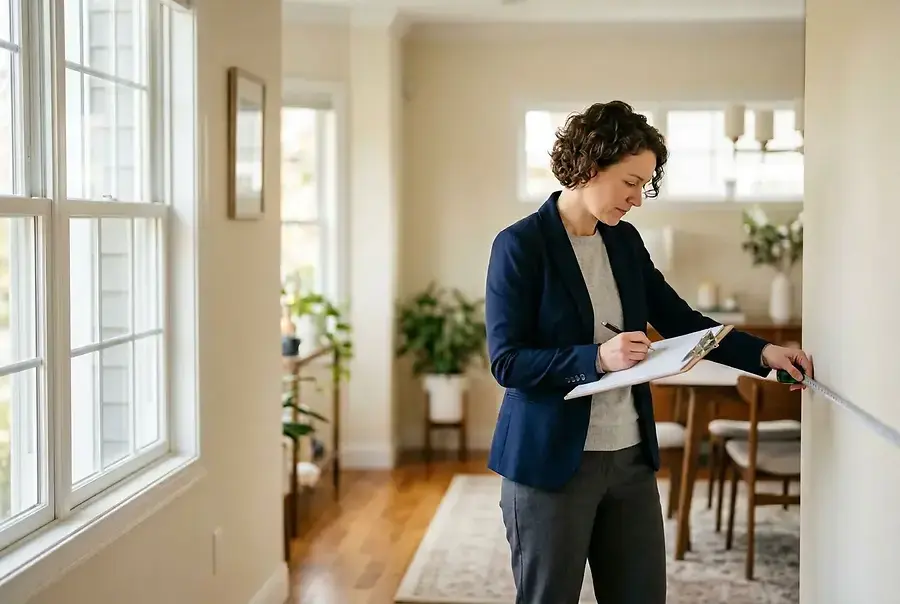
During the appraisal, the appraiser will spend 1-3 hours examining your home. They'll take measurements, photographs, and notes on every aspect of the property. They're looking for both positive features and any defects or needed repairs. The appraiser will also verify information like square footage, number of bedrooms and bathrooms, and the year the home was built.
"An appraiser's job is to provide an unbiased, professional opinion of value based on market data and the property's condition. Their assessment protects both the lender and the buyer."
Comparable Sales Analysis
After the physical inspection, appraisers research recent sales of comparable properties in your area. They look for homes with similar size, age, condition, and location that sold within the last 3-6 months. These "comps" form the foundation of the appraisal value. If your home has unique features or superior condition compared to comps, it may appraise higher.
The Appraisal Report
The appraiser compiles all findings into a detailed report that includes photographs, measurements, condition assessments, and the final valuation. This report is provided to the lender and becomes part of the official sale documentation. If the appraisal comes in lower than the agreed-upon sale price, negotiations may be necessary.
Leveraging Appraisal Knowledge for Better Outcomes
Understanding the appraisal process empowers you to take action. Start by addressing any obvious issues before listing your home. Fix leaky faucets, repair damaged drywall, and replace broken fixtures. These inexpensive repairs can prevent significant appraisal deductions.
Focus on curb appeal—landscaping, fresh paint, and a clean exterior create a positive first impression. Inside, ensure your home is spotless and well-lit. Remove personal items and excess furniture to make spaces appear larger and more inviting.
Document any recent upgrades or improvements you've made. Provide the appraiser with information about new roofs, HVAC systems, or updated electrical work. While not all improvements add dollar-for-dollar value, they demonstrate that your home has been well-maintained.
Finally, work with a knowledgeable real estate agent who understands your local market. They can provide insights into what appraisers typically look for in your area and help you price your home competitively based on recent comparable sales.
By understanding property appraisals and taking proactive steps to present your home in its best condition, you can maximize its assessed value and achieve better outcomes in your real estate transaction.


