How Property Taxes Affect Your Real Estate Decisions in East Texas
Learn how property tax assessments and rates vary across Longview, Hawkins, Gladewater, Carthage, Henderson, Jefferson, and Gilmer to make informed real estate decisions.

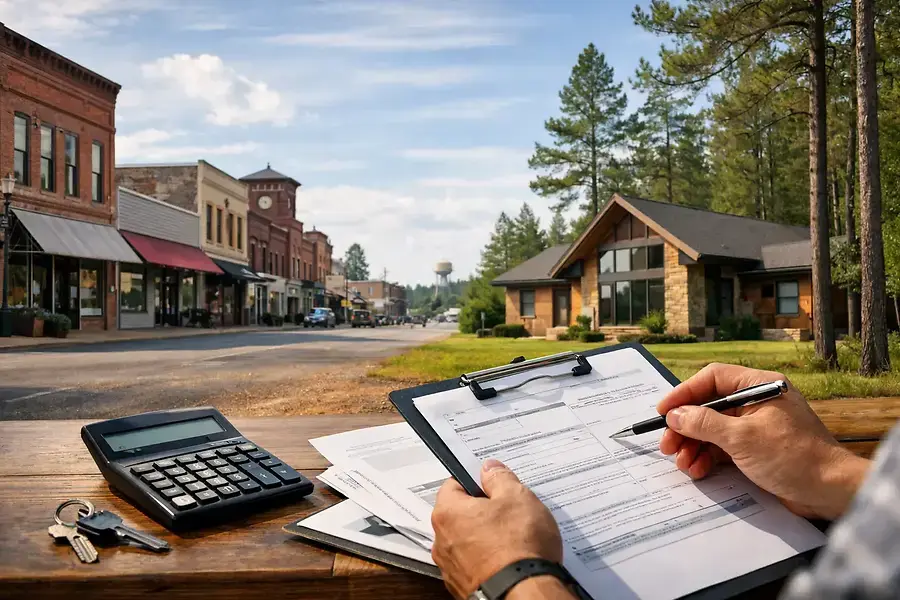
Understanding East Texas Property Tax Rates by Location
Property taxes are one of the most significant ongoing costs of homeownership in East Texas, yet many buyers overlook their impact when making real estate decisions. The tax rates and assessment methods vary considerably across different municipalities in the region, making it essential to understand these differences before purchasing property.
In Longview, the county seat of Gregg County, property tax rates typically range from 1.8% to 2.1% of assessed property value annually. This makes Longview one of the more moderately taxed areas in East Texas. Hawkins, located in Wood County, generally offers slightly lower rates, averaging around 1.6% to 1.9%, making it an attractive option for budget-conscious buyers.
Gladewater and Carthage present interesting contrasts. Gladewater, straddling Gregg and Upshur counties, typically sees rates between 1.7% and 2.0%, while Carthage in Panola County often features rates closer to 1.5% to 1.8%. Henderson, the county seat of Rusk County, maintains rates around 1.9% to 2.2%, reflecting its larger municipal services.
Jefferson and Gilmer round out the region with competitive rates. Jefferson in Marion County averages 1.6% to 1.9%, while Gilmer in Upshur County typically ranges from 1.7% to 2.0%. These variations, though seemingly small, can translate to thousands of dollars in annual tax obligations.
How Tax Assessments Impact Residential and Commercial Values
Residential Property Assessments
Property tax assessments in East Texas are conducted by county appraisal districts, which determine the market value of your property. This assessed value directly influences your annual tax bill. Understanding how assessments work is crucial for homeowners and investors alike.
Residential properties are typically assessed based on several factors:
- Comparable sales in your area
- Property size and square footage
- Age and condition of the structure
- Lot size and location
- Recent improvements or renovations
In Longview and Gladewater, where residential development has been steady, assessments tend to reflect current market conditions more accurately. Newer subdivisions often see higher assessments due to modern construction standards and amenities. Conversely, properties in smaller towns like Hawkins and Jefferson may have more stable assessments if the local real estate market is less volatile.
Commercial Property Considerations
Commercial properties face different assessment challenges. Business owners in Carthage, Henderson, and Gilmer should be aware that commercial assessments often account for income-generating potential, not just physical characteristics. A retail property's assessment might reflect its location on a busy commercial corridor, while industrial properties are evaluated based on their utility and market demand.
Commercial tax rates can be significantly higher than residential rates, sometimes reaching 2.5% to 3.0% of assessed value in prime locations. This makes location selection even more critical for business owners considering expansion or relocation within East Texas.
Strategies to Minimize Your Property Tax Burden
Challenge Your Assessment
One of the most effective strategies is to challenge your property assessment if you believe it's inaccurate. Each county appraisal district in East Texas allows property owners to file protests during the designated period, typically in May and June. Gathering comparable sales data and documentation of property condition can strengthen your case.
Explore Tax Exemptions and Homestead Exemptions
Texas offers several tax relief programs. The homestead exemption is available to primary residence owners and can reduce your taxable value by 20% or more. Additionally, seniors over 65 and disabled individuals may qualify for additional exemptions. Veterans and agricultural property owners should investigate specialized exemptions available in their respective counties.
Consider Property Location Strategically
When deciding between Longview, Hawkins, Gladewater, Carthage, Henderson, Jefferson, and Gilmer, factor in not just the tax rates but also the services provided. Higher taxes in some areas may reflect better schools, infrastructure, and public services that could increase your property's long-term value.
Time Your Purchase Wisely
Properties are typically assessed at their January 1st value each year. Understanding assessment cycles can help you time purchases strategically. Buying after a recent assessment may mean lower taxes until the next appraisal cycle.
Invest in Energy-Efficient Improvements
Texas offers tax credits for certain energy-efficient home improvements. While these don't directly reduce property taxes, they can lower your overall housing costs and may increase property value without proportionally increasing assessments.
Conclusion: Making Tax-Smart Real Estate Investments in East Texas
Property taxes should never be an afterthought in your real estate decision-making process. Whether you're considering a family home in Longview, a commercial investment in Henderson, or a rural property in Gilmer, understanding the tax implications is essential.
Key takeaways for East Texas real estate investors:
- Compare tax rates across different municipalities—they vary by up to 0.7% annually
- Factor in assessment practices and local market conditions
- Utilize available exemptions and relief programs
- Challenge assessments if you believe they're inaccurate
- Consider the full picture of services and amenities that justify tax rates
By taking a proactive approach to understanding property taxes in East Texas, you can make informed decisions that align with your financial goals. Whether you prioritize lower tax rates or are willing to pay more for superior schools and services, knowledge is your best tool for making smart real estate investments in this dynamic region.


