How Property Taxes Impact Your Home Budget Across DFW Suburbs
Understand how property tax rates across Southlake, Coppell, Grapevine, and other North Texas suburbs impact your total homeownership costs.

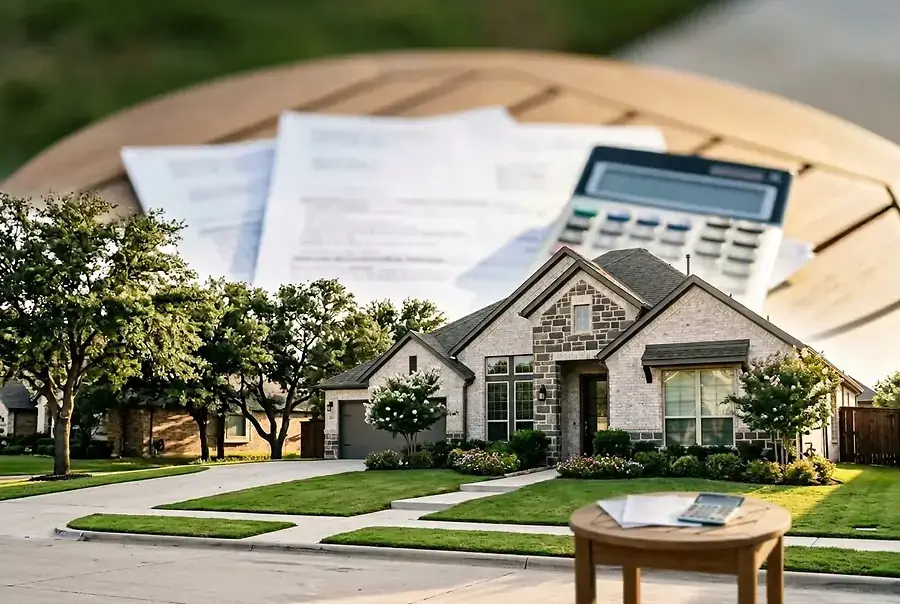
Introduction: Why Property Taxes Matter More Than You Think
When you purchase a home in the Dallas-Fort Worth area, the sticker price is just the beginning. Property taxes represent one of the largest ongoing expenses of homeownership, yet many buyers overlook this critical factor during their decision-making process. Unlike mortgage payments that eventually end, property taxes continue indefinitely and typically increase over time as property values rise.
For families considering a move to North Texas suburbs like Southlake, Coppell, or Grapevine, understanding the local tax landscape can mean the difference between a comfortable budget and financial strain. Property tax rates vary significantly across DFW communities, and choosing the right location can save you thousands of dollars annually.
Property Tax Rates Comparison Across DFW Suburbs
Understanding Texas Property Tax Structure
Texas has no state income tax, which sounds appealing until you realize the state compensates through property taxes. Texas property tax rates are among the highest in the nation, with the average effective rate around 1.6% to 1.8% of home value annually. However, this varies considerably by school district, county, and municipality.
Your total property tax bill combines several components:
- School district taxes (typically 40-50% of your bill)
- County taxes
- City or municipality taxes
- Special district taxes (water, drainage, etc.)
Southlake: Premium Community, Premium Taxes
Southlake consistently ranks among the most desirable suburbs in DFW, known for excellent schools and upscale amenities. This desirability comes with a price—property tax rates in Southlake typically range from 1.8% to 2.0% of home value. On a $500,000 home, expect annual property taxes between $9,000 and $10,000.
The Southlake Independent School District is a major factor, as it's one of the top-rated districts in Texas. Families often consider this investment worthwhile for educational quality and property appreciation.
Coppell: Balanced Value and Affordability
Coppell offers a middle ground for many homebuyers. With property tax rates typically ranging from 1.7% to 1.9%, Coppell is slightly more affordable than Southlake while maintaining strong schools and community amenities. The Coppell Independent School District provides excellent education without the premium tax burden of neighboring communities.
This makes Coppell attractive for families seeking quality of life without maximum tax exposure.
Grapevine: Growing Community with Competitive Rates
Grapevine has experienced significant growth and now offers competitive property tax rates ranging from 1.65% to 1.85%. The Grapevine-Colleyville Independent School District provides strong academics, and the city's vibrant downtown and entertainment options appeal to many families.
Grapevine represents an excellent value proposition for those seeking lower taxes without sacrificing community quality.
Other Notable DFW Suburbs
Beyond these three communities, other suburbs offer varying tax rates:
- Frisco: 1.75%-1.95% (rapidly growing, excellent schools)
- Plano: 1.70%-1.90% (established community, strong economy)
- Arlington: 1.60%-1.80% (lower rates, diverse options)
- McKinney: 1.65%-1.85% (affordable growth corridor)
Strategies to Minimize Your Tax Burden as a Homeowner
Homestead Exemption
Texas offers a homestead exemption that can significantly reduce your tax burden. If your home is your primary residence, you may qualify for an exemption that reduces your home's taxable value by $40,000 or more. This exemption applies to school district taxes, and some counties and cities offer additional exemptions.
Make sure to file for your homestead exemption in the year you purchase your home—don't assume it's automatic.
Property Tax Protest
Your county appraisal district determines your home's assessed value, which directly impacts your tax bill. If you believe your home has been overvalued, you have the right to protest. Many homeowners successfully reduce their tax burden by 5-15% through the protest process.
Gather comparable sales data and consider hiring a tax consultant if your home's assessed value seems inflated.
School District Considerations
School district taxes comprise the largest portion of your property tax bill. When choosing between communities, compare not just the overall tax rate but the school district's financial health and educational outcomes. A higher tax rate in a well-managed district may provide better value than a lower rate in an underfunded district.
Long-Term Property Value Growth
While property taxes are an ongoing expense, remember that homes in well-maintained communities with strong schools typically appreciate faster.
A home in Southlake or Coppell may have higher taxes, but the property value growth often offsets this additional expense over time.
Tax-Advantaged Homeownership
Consult with a tax professional about deducting property taxes on your federal income tax return (up to $10,000 annually under current federal law). Additionally, explore whether you qualify for any senior, disabled, or veteran exemptions if applicable.
Conclusion: Making an Informed Decision for Your Family's Future
Property taxes are a permanent feature of Texas homeownership, but they shouldn't be a surprise. By understanding how rates vary across DFW suburbs and implementing strategies to minimize your burden, you can make a financially sound decision.
Whether you choose the premium community of Southlake, the balanced value of Coppell, the growing appeal of Grapevine, or another DFW suburb, factor property taxes into your total cost of ownership. Research your specific school district, file for available exemptions, and consider protesting if your assessed value seems high.
Your dream home in North Texas is achievable—with proper planning and knowledge, you can ensure it fits comfortably within your family's budget for years to come.


