How Property Types Shape Neighborhood Character in Central Florida
Discover how the mix of residential and commercial properties defines each community's unique appeal and investment potential.

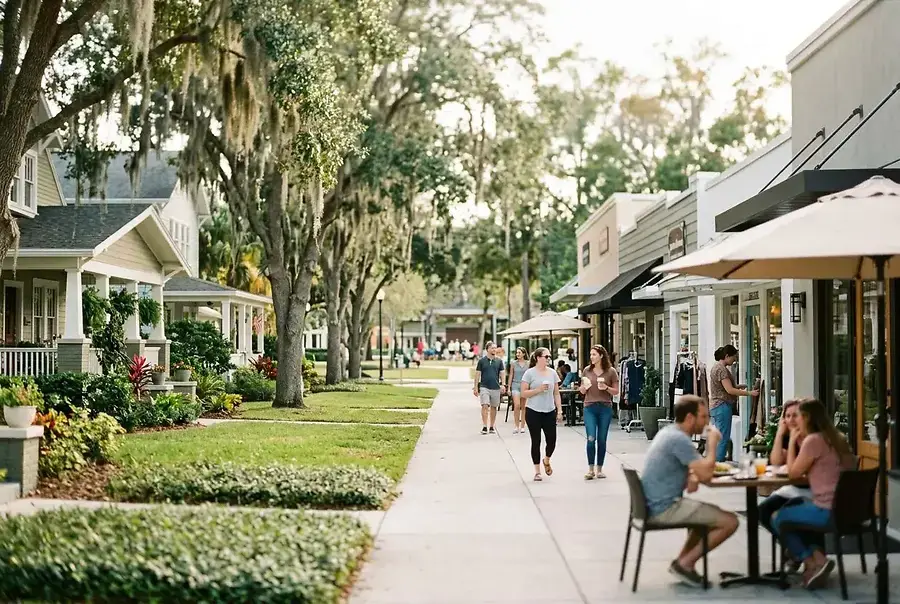
The Role of Balanced Property Development in Community Identity
Central Florida's neighborhoods are as diverse as the people who call them home. From bustling urban centers to quiet residential enclaves, each community tells a unique story shaped largely by its property composition. The mix of residential and commercial properties isn't just a matter of zoning—it fundamentally influences the character, vibrancy, and long-term value of a neighborhood.
When developers and city planners thoughtfully balance different property types, they create communities that thrive. A neighborhood with only single-family homes may feel peaceful but lack the convenience and economic vitality that comes with nearby shops and services. Conversely, areas dominated by commercial development can feel impersonal and disconnected from residential life. The sweet spot lies in strategic integration.
Understanding how property types shape your neighborhood is essential for anyone considering a move or investment in Central Florida. The composition of your community directly affects your daily quality of life, property values, and long-term financial returns.
How Residential-Commercial Integration Creates Vibrant Neighborhoods
The Benefits of Mixed-Use Development
Mixed-use neighborhoods—those combining residential, retail, dining, and office spaces—have become increasingly popular in Central Florida. These communities offer residents the convenience of having essential services within walking distance or a short drive. Imagine living in a neighborhood where you can grab morning coffee, run errands, and dine out without leaving your community.
Key advantages of mixed-use neighborhoods include:
- Reduced commute times and increased convenience for residents
- Higher foot traffic that supports local businesses and creates economic activity
- Enhanced sense of community through shared public spaces
- Greater property value appreciation due to increased desirability
- More vibrant streetscapes and active neighborhoods, especially during evenings and weekends
Creating Walkable Communities
One of the most significant benefits of balanced property development is walkability. When residential areas are integrated with commercial spaces, residents can accomplish daily tasks on foot. This creates safer neighborhoods with more "eyes on the street," encourages physical activity, and builds stronger social connections among neighbors.
Central Florida communities that have invested in walkable infrastructure—sidewalks, crosswalks, and public gathering spaces—report higher resident satisfaction and stronger community bonds. These neighborhoods become destinations rather than just places to sleep.
Economic Vitality and Job Creation
Commercial properties within residential neighborhoods create local employment opportunities. Small businesses, restaurants, and service providers employ community members and keep money circulating within the neighborhood. This economic activity strengthens the entire community and can lead to improved public services and infrastructure investments.
Neighborhoods with healthy commercial activity tend to see more consistent property value growth, as they're perceived as more desirable and stable investment opportunities.
Evaluating Property Type Mix When Choosing Your Central Florida Location
Assessing Your Neighborhood's Composition
Before committing to a Central Florida neighborhood, take time to evaluate its property type mix. Walk or drive through different areas at various times of day. Notice the ratio of residential to commercial properties, the types of businesses present, and how active the streets feel.
Questions to ask yourself:
- Are there shops, restaurants, and services within walking distance?
- What percentage of the neighborhood is residential versus commercial?
- Are there parks, plazas, or gathering spaces that bring people together?
- How busy are the streets during different times of day?
- Are there plans for future development that might change the neighborhood's character?
Understanding Your Preferences
Different property type mixes appeal to different people. Young professionals might prefer vibrant, walkable neighborhoods with trendy restaurants and shops. Families with children might prioritize quieter residential areas with good schools, while still appreciating nearby conveniences. Retirees might seek communities with accessible services and active social spaces.
There's no "perfect" property mix—only the right mix for your lifestyle and goals. Understanding what matters most to you helps narrow down which Central Florida neighborhoods will truly feel like home.
Investment Considerations
From an investment perspective, neighborhoods with balanced property development often show more resilience and consistent appreciation. Commercial activity provides economic stability, while residential density ensures steady demand. Areas undergoing revitalization—where developers are intentionally improving the property type mix—can offer excellent investment opportunities for those willing to get in early.
Properties in neighborhoods with strong commercial-residential integration typically appreciate faster and maintain value better during economic downturns, making them attractive for long-term investors.
Future Development Trends
Pay attention to what's planned for your neighborhood. Are there new commercial developments, residential projects, or public space improvements in the pipeline? Understanding future development can help you anticipate how your neighborhood's character and property values might evolve.
Making Informed Decisions Based on Community Composition
Choosing where to live or invest in Central Florida shouldn't be a hasty decision. The property type mix of a neighborhood is a crucial factor that deserves careful consideration alongside traditional metrics like school ratings and commute times.
Take time to research neighborhoods thoroughly. Visit at different times of day and seasons. Talk to current residents about what they love and what they'd change. Review development plans and zoning information. Consider both your immediate needs and long-term goals.
Remember that the best neighborhood for you is one where the property type mix supports your lifestyle and values. Whether you're drawn to the energy of mixed-use communities or the tranquility of primarily residential areas, Central Florida offers diverse options to match your preferences.
By understanding how property types shape neighborhood character, you're equipped to make decisions that will enhance your quality of life and protect your investment for years to come. The neighborhoods that thrive are those where residential and commercial elements work together in harmony, creating communities that are not just places to live, but places to truly belong.


