How Property Values Are Determined in Metro Detroit's Suburbs
Learn what drives home prices in Birmingham, Troy, Southfield, Sterling Heights, and Detroit.

Introduction: The Metro Detroit Real Estate Market Landscape
The Metro Detroit real estate market is as diverse as the communities it encompasses. Whether you're a homeowner in Birmingham's upscale neighborhoods, a resident of Troy's thriving commercial district, or living in Southfield, Sterling Heights, or Detroit, understanding how property values are determined is essential for making informed decisions about your investment. Home prices in these areas fluctuate based on numerous interconnected factors that go far beyond simple supply and demand.
The suburbs surrounding Detroit have experienced significant growth and transformation over the years, each developing its own unique character and market dynamics. From the affluent communities of Birmingham to the diverse neighborhoods of Sterling Heights, property values tell a story of economic development, demographic shifts, and community investment.
Key Factors That Influence Home Valuations in Your Community
Location and Neighborhood Characteristics
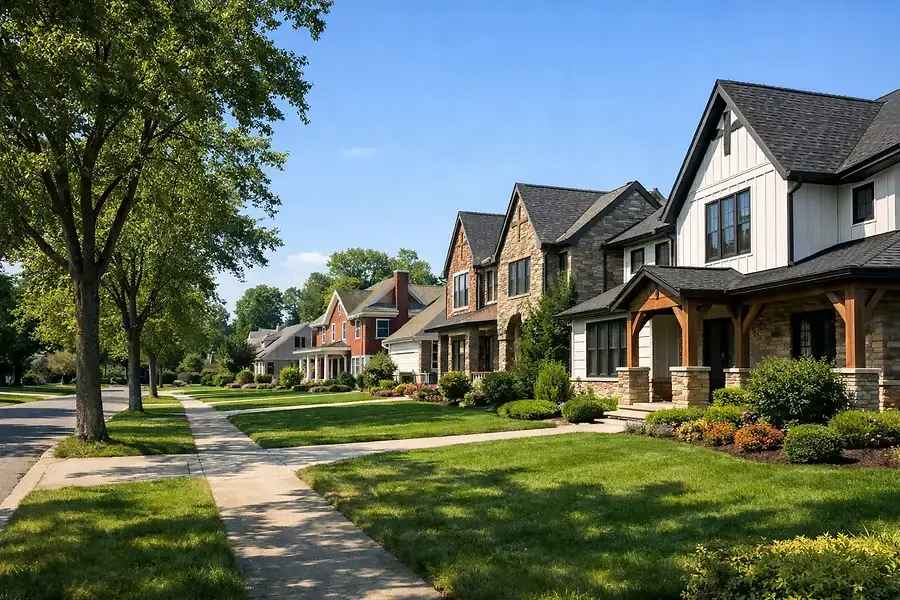
Location remains the most fundamental driver of property values across Metro Detroit. Homes in established neighborhoods with tree-lined streets, well-maintained properties, and strong community identity command premium prices. Proximity to major employment centers, shopping districts, and entertainment venues significantly impacts desirability and value.
The walkability of a neighborhood, access to parks and recreational facilities, and the overall aesthetic appeal of the area all contribute to how buyers perceive value. Communities that have invested in infrastructure improvements and public spaces tend to see stronger property appreciation.
School District Quality and Performance
School district ratings are among the most influential factors affecting home values in Metro Detroit suburbs. Families with children prioritize access to high-performing schools, and this demand directly translates to higher property prices. Districts with strong academic records, excellent graduation rates, and robust extracurricular programs attract buyers willing to pay premium prices.
The reputation of local schools extends beyond test scores—community involvement, teacher quality, and available resources all factor into how parents and buyers evaluate neighborhoods.
Property Condition and Age
The physical condition of a home is a critical valuation factor. Properties that have been well-maintained, recently updated, or feature modern amenities command higher prices than those requiring significant repairs. Key considerations include:
- Roof condition and age
- HVAC system functionality
- Foundation integrity
- Kitchen and bathroom updates
- Energy efficiency features
- Overall structural soundness
Newer homes or those with recent renovations typically sell for more, though well-preserved older homes in desirable neighborhoods can also maintain strong values.
Market Trends and Economic Conditions
Broader economic factors significantly influence property values. Interest rates, employment levels, and consumer confidence all affect buyer purchasing power and market activity. When the economy is strong and interest rates are favorable, demand for homes increases, pushing prices upward. Conversely, economic uncertainty can dampen demand and slow appreciation.
Local employment opportunities, particularly in sectors like technology, healthcare, and manufacturing, drive population growth and housing demand in specific communities.
Lot Size and Property Features
The size and features of a property directly impact its value. Larger lots, mature landscaping, and desirable amenities like pools, decks, or garages add significant value. Properties with unique features or architectural character often attract premium pricing from buyers seeking distinctive homes.
Comparing Property Values Across Birmingham, Troy, Southfield, Sterling Heights, and Detroit
Birmingham: The Luxury Market Leader
Birmingham stands out as one of Metro Detroit's most prestigious communities, known for its upscale homes, excellent schools, and vibrant downtown. Property values here reflect the community's reputation and desirability. Homes in Birmingham typically command the highest prices in the region, with well-maintained estates and updated properties attracting affluent buyers from across the metropolitan area.
Troy: Balanced Growth and Opportunity
Troy offers a compelling mix of residential appeal and commercial vitality. The city's strong job market, modern infrastructure, and quality schools support steady property appreciation. Values in Troy tend to be moderate to high, reflecting the community's economic strength and family-friendly environment.
Southfield: Diverse and Dynamic
Southfield's diverse population and robust commercial sector create a dynamic real estate market. Property values vary significantly depending on specific neighborhoods and proximity to business districts. The community's investment in revitalization projects and public spaces has positively influenced valuations in many areas.
Sterling Heights: Affordable Suburban Living
Sterling Heights provides more affordable options compared to some neighboring communities while maintaining good schools and neighborhood quality. This affordability, combined with solid fundamentals, makes it attractive to first-time homebuyers and families seeking value.
Detroit: Emerging Neighborhoods and Revitalization
Detroit's real estate market is experiencing notable transformation, with certain neighborhoods experiencing significant revitalization and appreciation. Historic neighborhoods with architectural character and emerging cultural scenes are attracting investors and homebuyers, though values vary considerably by location. Downtown and midtown areas show particular strength as urban living becomes increasingly popular.
Comparative Value Snapshot
While specific prices fluctuate based on individual properties, the general hierarchy tends to place Birmingham at the premium end, followed by Troy and Southfield at moderate-to-high levels, Sterling Heights at moderate levels, and Detroit with the widest range depending on neighborhood selection. However, this is not absolute—exceptional properties in any community can command premium prices.
Conclusion: Making Informed Decisions About Your Home's Worth
Understanding property valuation in Metro Detroit's suburbs requires considering multiple factors working in concert. Location, school quality, property condition, market trends, and community investment all play crucial roles in determining home values.
Whether you're planning to sell, refinance, or simply want to understand your home's current worth, consider consulting with local real estate professionals who understand the nuances of your specific community. They can provide market analysis, comparable sales data, and insights into neighborhood trends that affect valuation.
By recognizing what drives property values in your area, you can make more informed decisions about home improvements, timing of sales, and long-term investment strategies. The Metro Detroit suburbs offer diverse opportunities for homeowners and investors alike, each with distinct value propositions and growth potential.


