How Remote Work Is Reshaping Home Preferences Across Greater Austin
Why Austin-area professionals are prioritizing home offices and flexible layouts when choosing where to buy.

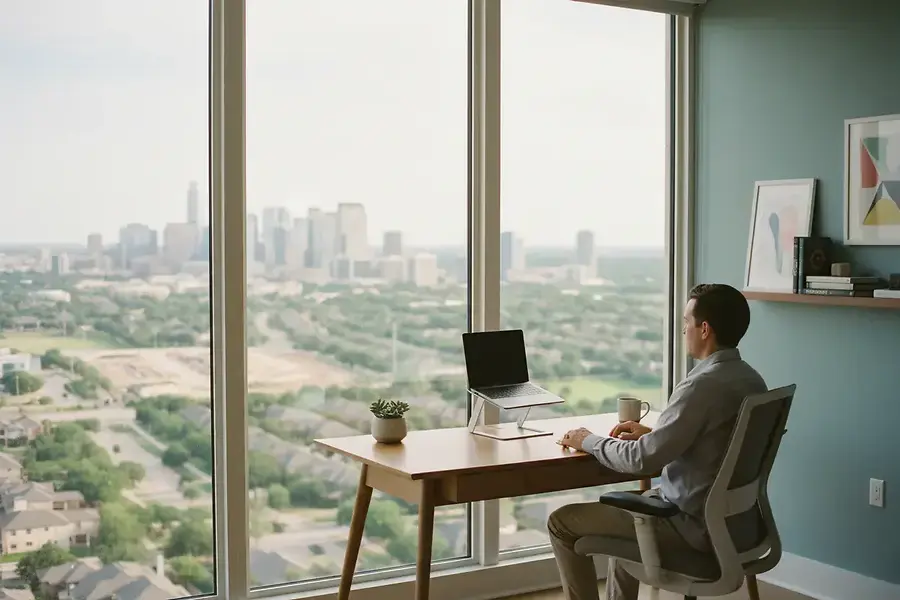
The Remote Work Impact on Austin Real Estate
The Austin real estate market has undergone a dramatic transformation over the past few years, with remote work fundamentally reshaping what homebuyers are looking for in their next property. No longer is the traditional commute-friendly location the primary driver of home selection. Instead, professionals working from home are prioritizing features that support productivity, comfort, and work-life balance within their living spaces.
This shift has created a unique opportunity for sellers and real estate professionals who understand the evolving needs of today's buyers. The demand for dedicated home offices, flexible floor plans, and neighborhood amenities that support a work-from-home lifestyle has become a defining characteristic of the Austin housing market.
How Home Office Needs Are Changing Buyer Priorities Across Austin Suburbs
The Home Office as a Non-Negotiable Feature
For remote workers, a dedicated home office is no longer a luxury—it's a necessity. Buyers are actively seeking properties with:
- Separate office spaces that provide privacy and minimize distractions from family activities
- High-speed internet infrastructure and reliable connectivity options
- Adequate natural lighting and ergonomic layouts that support long workdays
- Sound insulation to prevent background noise during video calls
- Flexible room configurations that allow conversion of spare bedrooms or bonus rooms into functional workspaces
This demand has led to a noticeable increase in property values for homes featuring well-designed home offices. Real estate agents across the Austin area report that homes with dedicated office spaces sell faster and command premium prices compared to similar properties without this feature.
Neighborhood Amenities That Support Remote Work
Beyond the home itself, remote workers are evaluating neighborhoods based on amenities that enhance their quality of life. Coffee shops, co-working spaces, parks, and fitness facilities have become increasingly important factors in neighborhood selection. These amenities provide opportunities for social interaction, mental health breaks, and professional networking—all crucial elements for remote workers who spend most of their time at home.
Communities with strong broadband infrastructure and reliable utility services have also become more attractive, as these features directly impact work productivity and reliability.
Flexibility in Home Design and Layout
The rise of remote work has also influenced how buyers approach home design. Many professionals now prefer open floor plans that allow them to supervise children or pets while working, or alternatively, homes with multiple separate spaces that provide distinct boundaries between work and personal life.
Properties with adaptable spaces—such as homes with bonus rooms, finished basements, or detached structures—are particularly appealing to buyers who anticipate their work situations may evolve over time.
Neighborhoods Best Suited for Remote Workers: From Kyle to Cedar Park
Kyle: Affordable Living with Growing Amenities
Kyle has emerged as a popular destination for remote workers seeking affordability without sacrificing quality of life. The area offers newer construction homes with modern home office features, excellent schools, and a growing selection of restaurants and retail establishments. The strong sense of community and family-friendly atmosphere makes it particularly attractive to remote workers with families.
Cedar Park: Tech-Forward Living
Cedar Park's proximity to major tech corridors and its reputation as a tech-savvy community make it ideal for remote professionals in the technology sector. The neighborhood boasts excellent broadband infrastructure, numerous co-working spaces, and a vibrant community of entrepreneurs and remote workers. Properties here often feature modern amenities and smart home technology.
Round Rock and Pflugerville: Balanced Growth
These northern suburbs offer a balanced combination of affordability, amenities, and community development. Both areas are experiencing significant growth in residential construction, with builders increasingly incorporating home office features into new designs. The proximity to major employers and educational institutions adds to their appeal.
South Austin Communities: Urban Convenience
For remote workers who prefer urban living, neighborhoods like South Austin offer walkability, cultural amenities, and a vibrant community atmosphere. While prices are higher, many professionals value the ability to step outside their home offices and access restaurants, galleries, and entertainment venues within walking distance.
Conclusion: Positioning Your Home for Today's Work-From-Home Buyers
The remote work revolution has fundamentally altered the Austin real estate landscape. Homeowners and sellers who recognize and adapt to these changing preferences will be best positioned to succeed in this evolving market.
Key takeaways for sellers:
- Invest in highlighting or creating dedicated home office spaces
- Emphasize broadband quality and internet infrastructure
- Showcase neighborhood amenities that support remote work and lifestyle
- Consider flexible floor plans that appeal to diverse work-from-home scenarios
- Highlight natural lighting and ergonomic features in office spaces
As remote work continues to shape housing preferences across Greater Austin, understanding these trends will help both buyers and sellers navigate the market successfully. The homes that best accommodate the modern work-from-home lifestyle will remain the most sought-after properties in the Austin area for years to come.


