How Strategic Home Staging Increases Your Sale Price and Attracts Serious Buyers
Learn proven staging techniques that help buyers envision themselves in your home and increase your selling potential.

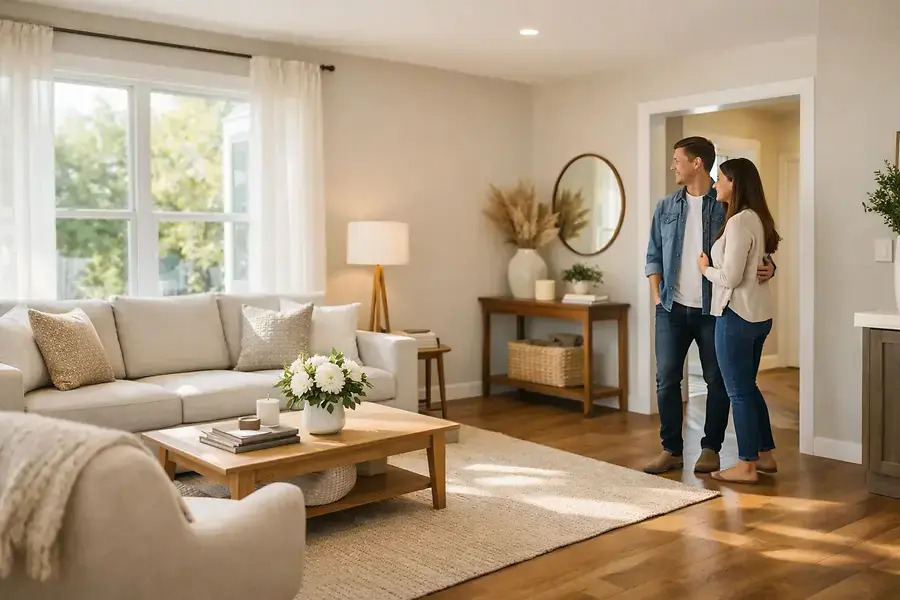
Introduction: The Psychology of Home Staging and Its Impact on Sale Price
When potential buyers walk through your home, they're not just evaluating the physical structure—they're imagining their future there. Home staging is the art of presenting your property in its best light, and research shows it can increase your sale price by 5-10% on average. The psychology behind staging is simple: buyers make emotional decisions based on first impressions, and a well-staged home creates an emotional connection that translates into higher offers.
The real estate market is competitive, and homes that are thoughtfully staged sell faster and for more money than those that aren't. Staging isn't about deceiving buyers—it's about helping them see the true potential of your home. By removing clutter, improving curb appeal, and creating inviting spaces, you're essentially removing obstacles between the buyer's imagination and their decision to make an offer.
Essential Staging Strategies That Maximize Buyer Appeal
Declutter and Depersonalize Your Space
The first step in staging is removing excess belongings and personal items. Buyers need to envision themselves in the space, which is difficult when they're surrounded by your family photos, collections, and memorabilia. Clear out closets, remove excess furniture, and pack away items you don't use daily. A spacious, clean home feels larger and more desirable than one cluttered with personal belongings.
Enhance Curb Appeal
Your home's exterior is the first thing buyers see, and it sets the tone for their entire visit. Focus on:
- Painting the front door a welcoming color
- Maintaining a neat, manicured lawn and garden
- Cleaning windows, gutters, and siding
- Adding fresh mulch and seasonal plants
- Ensuring house numbers are visible and attractive
A well-maintained exterior suggests that the interior has been cared for equally well.
Create Neutral, Inviting Interiors
Paint walls in neutral colors like soft whites, beiges, and light grays. These colors create a blank canvas that allows buyers to imagine their own décor. Avoid bold, trendy colors that might appeal to you but could turn off potential buyers. Lighting is equally important—open all curtains and blinds during showings, and add lamps to darker corners to create warmth and visibility.
Stage Key Rooms Strategically
Focus your staging efforts on the rooms that matter most:
- Kitchen: Clean appliances, clear countertops, and add fresh flowers or a bowl of fruit
- Master Bedroom: Make the bed with quality linens, remove clutter, and create a serene atmosphere
- Bathrooms: Ensure everything is spotless, add fluffy towels, and include a small plant or candle
- Living Room: Arrange furniture to show the room's flow and potential, add comfortable seating
Use Strategic Furniture Arrangement
Arrange furniture to highlight the room's best features and create a natural flow. Avoid pushing all furniture against walls—instead, create conversation areas that show how the space can be used. Remove oversized pieces that make rooms feel cramped, and ensure pathways are clear and easy to navigate.
Common Staging Mistakes That Reduce Perceived Home Value
Over-Personalizing Your Space
While your home reflects your personality, too many personal touches can distract buyers. Remove family photos, religious items, and highly personal collections. These elements, while meaningful to you, can create distance between buyers and the property.
Neglecting Maintenance Issues
Staging doesn't mean hiding problems—it means presenting a well-maintained home. Buyers notice peeling paint, broken fixtures, and water stains. Address these issues before staging begins. A leaky faucet or cracked tile might seem minor, but it signals to buyers that the home hasn't been properly maintained, potentially lowering their offer.
Using Too Much Furniture
Overcrowding rooms with furniture makes spaces feel smaller and cluttered. Less is more in staging. Remove pieces that don't serve a purpose, and ensure there's plenty of open floor space. This creates an airy, spacious feeling that appeals to most buyers.
Ignoring Odors and Cleanliness
A clean home is a sold home. Deep clean every surface, eliminate odors, and ensure the home smells fresh. Avoid strong cooking smells, pet odors, or artificial air fresheners. Some staging professionals recommend baking cookies or brewing fresh coffee before showings to create a welcoming atmosphere.
Poor Lighting Choices
Dark, dim homes feel unwelcoming and smaller. Maximize natural light and add strategic lighting throughout the home. Replace dim bulbs with brighter ones, open all window coverings during showings, and use lamps to brighten corners. Well-lit homes feel more spacious and inviting.
Staging Rooms That Aren't Necessary
Focus your staging efforts on the rooms buyers care about most: bedrooms, bathrooms, kitchen, and living areas. Don't waste time and money staging a formal dining room or home office that few buyers will use. Prioritize spaces that directly impact the buying decision.
Conclusion: Taking Action to Stage Your Home for Success
Strategic home staging is an investment that pays dividends. By decluttering, depersonalizing, and presenting your home in its best light, you're directly influencing buyer perception and sale price. The goal isn't to transform your home into a showroom—it's to help buyers envision their future there.
Start with the basics: declutter, clean thoroughly, and enhance curb appeal. Then focus on the key rooms that matter most. Avoid common mistakes like over-personalizing, neglecting maintenance, and poor lighting. If you're unsure about staging decisions, consider hiring a professional stager who can provide expert guidance tailored to your home and market.
Remember, the goal of staging is simple: remove obstacles between the buyer's imagination and their decision to make an offer.
With thoughtful staging strategies in place, you'll attract serious buyers, generate competitive offers, and maximize your home's sale price. The effort you invest in staging today will pay off when you see the results at closing.


