How to Assess Neighborhood Quality for Residential Investment
Learn the key factors that determine whether a residential neighborhood will appreciate in value and attract quality tenants.

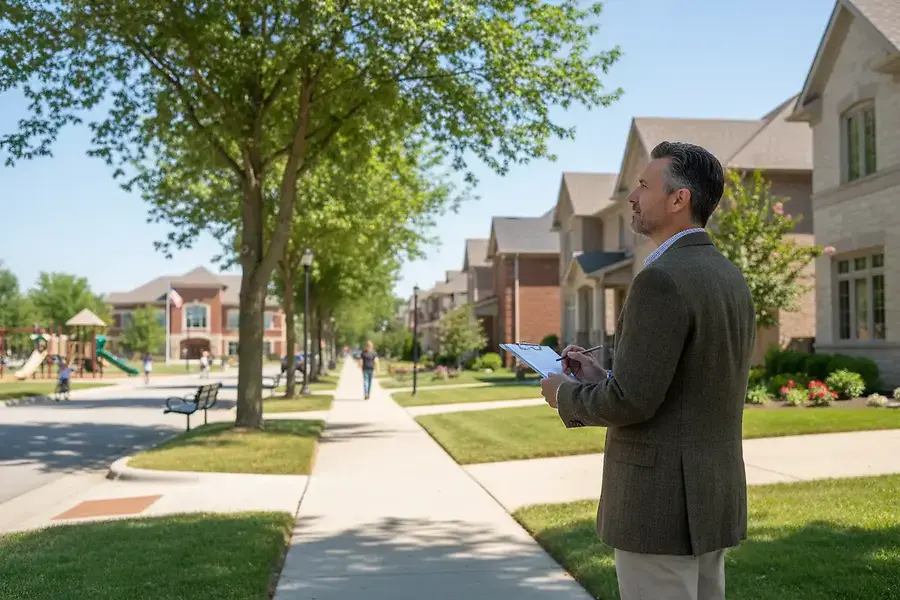
Why Neighborhood Quality Matters More Than the House Itself
When investing in residential real estate, many investors focus heavily on the property itself—the square footage, the condition of the roof, or the kitchen renovations. However, the neighborhood is arguably the most critical factor determining your investment's long-term success. A beautiful house in a declining neighborhood will struggle to appreciate, while a modest home in a thriving community can deliver exceptional returns.
The neighborhood determines your property's resale value, rental demand, tenant quality, and appreciation potential. It's the foundation upon which your entire investment stands. Understanding how to assess neighborhood quality separates successful investors from those who make costly mistakes.
Essential Metrics: Schools, Safety, and Community Amenities
School Quality and Ratings
School performance is one of the most significant drivers of neighborhood desirability and property values. Families prioritize good schools above almost everything else, making neighborhoods with top-rated schools consistently outperform others in appreciation and rental demand.
- Research school district ratings through state education departments and third-party platforms
- Look at standardized test scores, graduation rates, and college acceptance rates
- Consider proximity to both elementary and secondary schools
- Evaluate school funding levels and recent capital improvements
Even if you're not targeting families as tenants, strong schools indicate a neighborhood's overall health and stability.
Safety and Crime Statistics
Safety is non-negotiable for residential investment. Neighborhoods with low crime rates attract better tenants, command higher rents, and experience stronger appreciation. Review crime data from local police departments and crime mapping websites to understand violent crime, property crime, and trends over time.
- Compare violent crime rates per capita to city and national averages
- Track crime trends over the past 3-5 years—is the neighborhood improving or declining?
- Visit the neighborhood at different times of day to assess the actual feel and presence of community policing
- Talk to current residents about their safety concerns and experiences
Community Amenities and Walkability
Modern renters and homebuyers increasingly value walkable neighborhoods with convenient access to amenities. Assess what's nearby:
- Parks, recreation centers, and outdoor spaces
- Shopping, dining, and entertainment options
- Public transportation access and commute times to employment centers
- Healthcare facilities and medical services
- Libraries, cultural institutions, and community gathering spaces
Neighborhoods with strong amenities attract higher-quality tenants willing to pay premium rents and maintain properties better.
Long-Term Growth Indicators: Job Markets, Development Plans, and Demographics
Employment and Job Market Growth
A neighborhood's long-term viability depends on job opportunities. Areas with growing employment sectors attract new residents and support rising property values. Research:
- Major employers in the area and their growth trajectories
- Unemployment rates compared to regional and national averages
- Emerging industries and business development initiatives
- Wage growth trends in the local market
Neighborhoods near growing employment hubs consistently outperform those dependent on declining industries.
Development Plans and Infrastructure Investment
Future development can dramatically impact neighborhood trajectory. Look for:
- Planned infrastructure improvements (roads, public transit, utilities)
- Commercial or mixed-use development projects
- Zoning changes that might affect neighborhood character
- Public investment in schools, parks, and community facilities
- Revitalization initiatives and urban renewal projects
Neighborhoods receiving public and private investment typically experience stronger appreciation and attract more desirable tenants.
Demographic Trends and Population Growth
Demographic analysis reveals whether a neighborhood is growing, stable, or declining. Examine:
- Population growth rates over the past 5-10 years
- Age distribution and whether younger families are moving in
- Income levels and whether they're rising or falling
- Educational attainment levels of residents
- Diversity and cultural composition of the community
Growing neighborhoods with rising incomes and younger populations typically offer better investment prospects than aging, declining areas.
Property Values and Market Trends
Analyze historical property appreciation in the neighborhood:
- Average home price trends over the past 5-10 years
- Price per square foot compared to surrounding areas
- Days on market and inventory levels
- Rental rates and rental demand
- Vacancy rates for rental properties
Neighborhoods with consistent appreciation, strong rental demand, and low vacancy rates indicate healthy, desirable communities.
Making Informed Decisions Based on Neighborhood Fundamentals
Assessing neighborhood quality requires a systematic approach combining quantitative data and qualitative observation. Don't rely on a single metric—evaluate neighborhoods holistically across multiple dimensions.
Create a scoring system for neighborhoods you're considering, weighing factors based on your investment strategy. A property manager focused on long-term rentals might prioritize schools and safety, while a fix-and-flip investor might emphasize development trends and appreciation potential.
Visit neighborhoods multiple times at different hours. Talk to residents, local business owners, and property managers. Walk the streets and observe the condition of properties, maintenance levels, and community activity. Your instincts matter—if a neighborhood feels declining or unstable, data often confirms it.
Remember that neighborhood quality isn't static. The best neighborhoods today may face challenges tomorrow, while emerging neighborhoods can offer exceptional value. Stay informed about local trends, attend city council meetings, and maintain relationships with local real estate professionals who understand neighborhood dynamics.
By mastering neighborhood assessment, you'll make smarter investment decisions, attract better tenants, and build a portfolio that appreciates consistently over time. The neighborhood truly is the foundation of residential investment success.