How to Choose Between Urban and Suburban Living in the East Bay
Compare lifestyle, costs, and community features to find your perfect East Bay neighborhood.

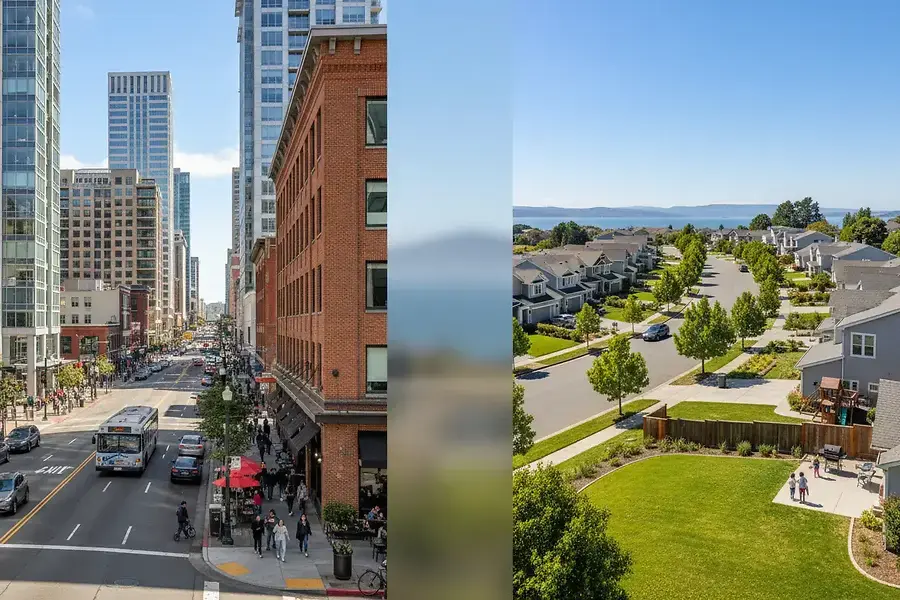
Understanding Your East Bay Living Preferences
The East Bay offers a diverse range of living environments, from vibrant urban centers to peaceful suburban communities. Whether you're relocating for work, starting a family, or seeking a lifestyle change, choosing between urban and suburban living is one of the most important decisions you'll make. Both options have distinct advantages and trade-offs that can significantly impact your daily life, finances, and overall happiness.
Before diving into the specifics of each lifestyle, it's essential to reflect on your personal priorities. Consider your work commute, family situation, social preferences, and budget. Understanding what matters most to you will make the decision-making process much clearer and help you find a neighborhood that truly aligns with your values and goals.
Urban Living: Walkability, Amenities, and Fast-Paced Communities
The Appeal of Urban Centers
Urban neighborhoods in the East Bay, such as downtown Oakland, Berkeley, and Walnut Creek, offer an energetic and dynamic lifestyle. These areas are characterized by excellent walkability, where most daily errands and entertainment options are within walking distance or a short transit ride away.
Key Benefits of Urban Living
- Walkability and Transportation: Reduced reliance on cars, with access to public transit, bike lanes, and pedestrian-friendly streets
- Diverse Amenities: Restaurants, shops, cultural venues, galleries, and entertainment options at your doorstep
- Community and Culture: Vibrant neighborhoods with diverse populations, frequent events, and a strong sense of community
- Career Opportunities: Proximity to major employers and business districts
- Nightlife and Social Scene: Bars, clubs, theaters, and late-night dining options
Considerations for Urban Living
While urban living offers tremendous appeal, there are important factors to consider. Housing costs are typically higher in urban areas, with smaller living spaces and limited parking. Noise levels can be elevated, and you may have less privacy compared to suburban alternatives. Additionally, urban schools may be more competitive, and outdoor recreation spaces might be limited.
Urban living works best for young professionals, couples without children, and those who prioritize convenience and cultural engagement over space and quiet.
Suburban Living: Space, Schools, and Family-Friendly Neighborhoods
The Appeal of Suburban Communities
Suburban neighborhoods throughout the East Bay, including areas like Pleasanton, Danville, and Moraga, provide a more relaxed and spacious living environment. These communities emphasize family values, safety, and a slower pace of life compared to their urban counterparts.
Key Benefits of Suburban Living
- More Space: Larger homes with yards, garages, and room to grow
- Quality Schools: Often highly-rated school districts with strong academic programs
- Safety and Quiet: Generally lower crime rates and peaceful neighborhoods
- Family-Friendly Amenities: Parks, playgrounds, sports facilities, and community centers
- Affordability: More affordable housing options compared to urban centers
- Sense of Community: Strong neighborhood connections and local events
Considerations for Suburban Living
Suburban living requires car dependency for most activities, which increases transportation costs and time. Entertainment and dining options are more limited, and you may need to travel to urban areas for cultural events or nightlife. The pace of life is slower, which some find peaceful and others find isolating. Additionally, suburban communities may lack the diversity and cultural richness found in urban centers.
Suburban living is ideal for families with children, those seeking peace and quiet, and individuals who prioritize space and school quality over urban convenience.
Making Your Decision: Key Factors to Guide Your East Bay Home Choice
Financial Considerations
Budget is often the primary deciding factor. Urban properties command premium prices, while suburban homes offer better value. However, consider the total cost of living: urban residents spend less on transportation, while suburban residents may spend more on gas and vehicle maintenance. Calculate your potential housing costs, property taxes, and transportation expenses for each option.
Family and Lifestyle Needs
Families with school-age children often prefer suburbs for their excellent schools and family-oriented communities. Young professionals and empty nesters may thrive in urban environments with walkable neighborhoods and cultural amenities. Consider your current life stage and future plans when making this decision.
Work and Commute
Your workplace location significantly impacts your choice. If you work in downtown Oakland or Berkeley, urban living reduces commute time. If your employer is in the tri-valley area, suburban living in Pleasanton or Livermore may be more practical. Remote work flexibility can open up more options in both settings.
Social and Cultural Preferences
Ask yourself: Do you thrive in bustling environments with constant activity, or do you prefer quiet neighborhoods with strong community bonds?
Urban areas offer diverse dining, arts, and entertainment scenes. Suburban communities emphasize neighborhood connections and family activities. Your social preferences should heavily influence your decision.
Creating Your Decision Matrix
To make the best choice, create a simple comparison chart listing your priorities: housing costs, commute time, school quality, walkability, cultural amenities, space, and community feel. Rate how important each factor is to you, then evaluate how well urban and suburban options meet your needs.
Final Thoughts
There is no universally "right" choice between urban and suburban living in the East Bay—only the right choice for you. Take time to visit neighborhoods during different times of day, talk to residents, and imagine yourself living there. Many people find that their preferences evolve over time, and that's perfectly normal. The East Bay's diversity means you can find your ideal community, whether it's in the heart of a bustling city or in a peaceful suburban neighborhood.