How to Choose the Right Metro Detroit Suburb for Your Family
Discover which Michigan communities offer the perfect blend of schools, amenities, and affordability for your next home.

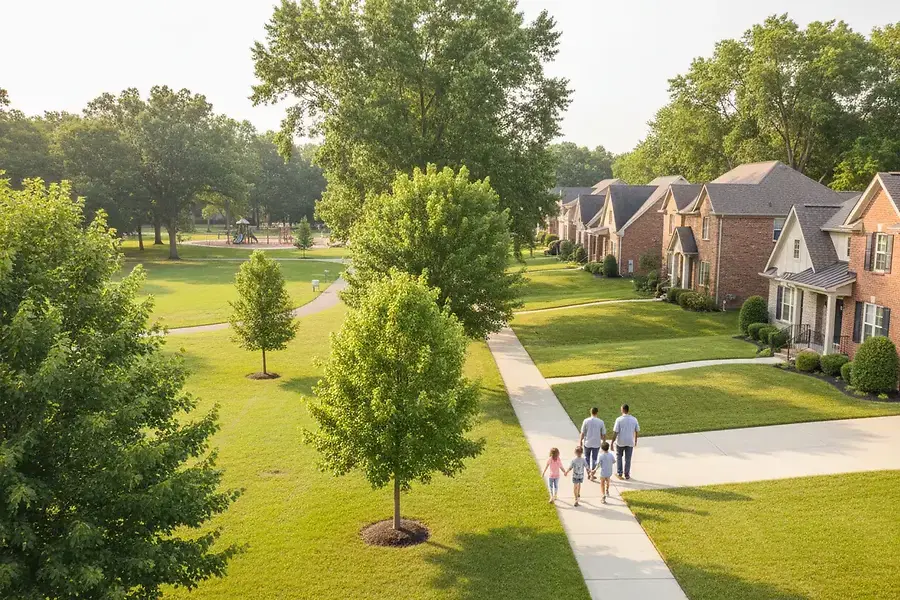
Introduction: Finding Your Ideal Suburban Community
Moving to a new suburb is one of the biggest decisions your family will make. With so many communities surrounding Detroit, each offering unique advantages and characteristics, the process can feel overwhelming. Whether you're prioritizing excellent schools, short commutes, vibrant community life, or affordable housing, Metro Detroit has neighborhoods that cater to different family needs and lifestyles.
The key to finding your ideal suburban home lies in understanding what matters most to your family and then systematically evaluating communities against those criteria. This guide will help you navigate the options and make a confident decision about where to plant your roots.
Comparing School Districts, Commute Times, and Lifestyle Amenities Across Metro Detroit Neighborhoods
School District Excellence
For families with children, school quality often tops the priority list. Metro Detroit boasts several highly-rated school districts that consistently perform well academically. Research school ratings through multiple sources, including state assessment data, graduation rates, and parent reviews. Consider not just test scores, but also special programs like advanced placement courses, arts programs, and athletic offerings that align with your children's interests.
Popular communities known for strong schools include:
- Bloomfield Hills and Birmingham—offering rigorous academics and extensive extracurricular programs
- Grosse Pointe—renowned for college preparatory education and community involvement
- Northville and Plymouth—combining excellent schools with family-friendly amenities
- Ann Arbor area suburbs—benefiting from proximity to university resources and educational innovation
Commute Times and Transportation
Your daily commute significantly impacts quality of life. Evaluate commute times to your workplace using current traffic patterns and considering both driving and public transportation options. Some Metro Detroit suburbs offer better access to major highways, while others provide proximity to downtown Detroit or alternative employment centers.
Communities like Troy, Southfield, and Dearborn offer convenient access to major business corridors. If you work downtown, consider suburbs along the M-1 corridor or those with proximity to public transit options. For remote workers, commute time becomes less critical, opening up more affordable communities further from the urban core.
Lifestyle Amenities and Community Character
Beyond schools and commutes, consider what makes a community feel like home. Visit neighborhoods during different times of day to get a genuine sense of community character. Look for:
- Parks and recreational facilities—trails, playgrounds, sports complexes
- Shopping and dining options—from local boutiques to major retailers
- Community events and activities—farmers markets, festivals, neighborhood associations
- Cultural institutions—libraries, theaters, museums, art centers
- Healthcare facilities and services
Communities like Ferndale and Royal Oak are known for vibrant downtown areas with independent shops and restaurants. Suburbs like Canton and Novi offer comprehensive recreational facilities and family-oriented programming. Grosse Pointe communities provide a more established, traditional suburban feel with strong neighborhood pride.
Evaluating Home Prices and Market Trends in Popular Residential Areas
Understanding Current Market Conditions
Metro Detroit's real estate market offers diverse options across various price points. Research recent sales data and market trends in neighborhoods that interest you. Prices vary significantly based on location, school district, home age, and amenities. Some communities have appreciated steadily, while others offer better value for your investment.
Generally, established communities closer to downtown command higher prices, while emerging suburbs further out may offer more affordable options without sacrificing quality of life. Consider both current affordability and long-term appreciation potential when making your decision.
Comparing Neighborhoods by Price Range
Premium Communities: Bloomfield Hills, Grosse Pointe, and Birmingham typically feature higher price points, reflecting excellent schools, established neighborhoods, and strong demand. These communities offer mature landscaping, larger lots, and prestigious addresses.
Mid-Range Communities: Northville, Plymouth, Troy, and Farmington Hills offer excellent value with good schools, amenities, and reasonable pricing. These communities attract families seeking balance between affordability and quality.
Emerging Value Communities: Canton, Novi, and Livonia provide newer construction, modern amenities, and competitive pricing. These areas are experiencing growth and offer opportunities for families seeking contemporary homes and developing community infrastructure.
Market Trends and Investment Potential
Consider not just current prices but also market trajectory. Communities with improving schools, new commercial development, and infrastructure investments often see stronger appreciation. Speak with local real estate professionals who understand neighborhood-specific trends and can provide insights into which areas are gaining momentum.
Proximity to major employers, planned development projects, and transportation improvements can significantly impact future property values. Research community master plans and development initiatives to understand where neighborhoods are headed.
Conclusion: Making Your Final Decision with Confidence
Choosing the right Metro Detroit suburb requires balancing multiple factors—schools, commute, lifestyle, and affordability. Create a weighted list of your family's priorities and score potential communities against these criteria. What matters most to one family may differ significantly from another's needs.
Take time to explore neighborhoods in person. Drive through residential streets, visit parks, eat at local restaurants, and talk to residents. Attend community events and visit schools if possible. This firsthand experience often reveals details that online research cannot capture.
Work with a knowledgeable local real estate agent who can provide market insights, arrange property tours, and help you navigate the buying process. They understand neighborhood nuances and can match your family's needs with appropriate communities.
Remember, the "right" suburb is the one that aligns with your family's unique priorities and lifestyle. By systematically evaluating your options and taking time to truly experience potential communities, you'll make a confident decision that your family will enjoy for years to come. Metro Detroit's diverse suburbs offer something for everyone—your ideal community is waiting.