How to Design a Home Office That Boosts Productivity and Property Value
Transform your residential space into a professional workspace that attracts buyers and enhances your daily work experience.

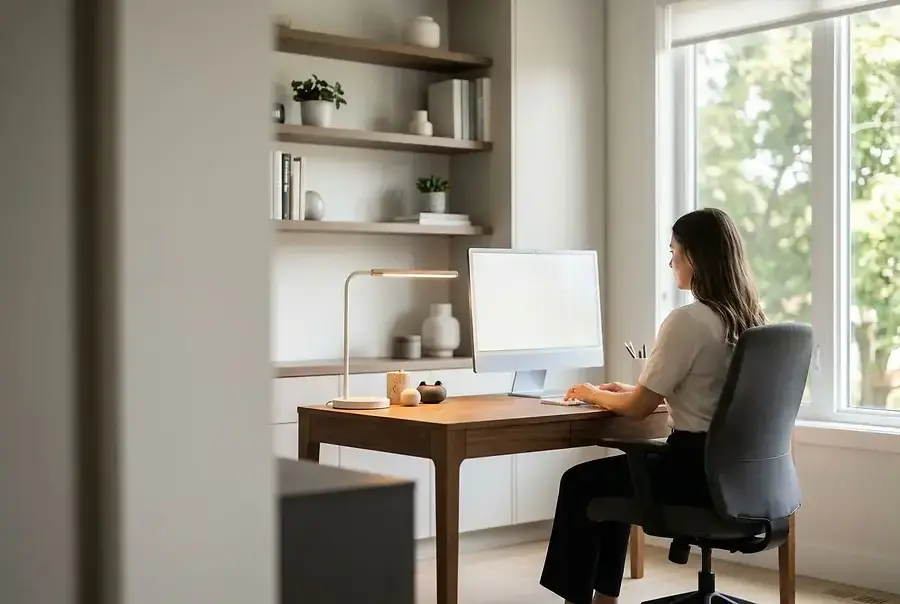
Why Home Offices Have Become Essential in Today's Real Estate Market
The modern workforce has fundamentally shifted. Remote work is no longer a temporary trend—it's a permanent fixture in how we live and work. For homeowners and real estate investors, this transformation presents both an opportunity and a necessity. A well-designed home office has become one of the most sought-after features in residential properties, rivaling traditional amenities in importance.
Buyers today recognize the value of a dedicated workspace. Whether they're entrepreneurs, freelancers, or corporate employees working hybrid schedules, potential purchasers actively seek homes with functional home offices. Properties featuring thoughtfully designed workspaces command higher prices and sell faster than comparable homes without them. Beyond market value, a quality home office directly impacts your daily productivity, mental health, and work-life balance.
The investment in a home office is an investment in both your lifestyle and your property's future.
Designing a Functional Home Office: Layout, Lighting, and Ergonomic Considerations
Creating the Optimal Layout
The foundation of any productive home office begins with thoughtful space planning. Your office doesn't need to be large—it needs to be purposeful. Consider these layout principles:
- Dedicated Space: Ideally, use a separate room or a clearly defined corner that separates work from living areas. This psychological boundary helps maintain focus and work-life balance.
- Desk Placement: Position your desk to face the door or a window when possible. This arrangement promotes alertness and creates a sense of control over your environment.
- Traffic Flow: Ensure your workspace doesn't obstruct natural pathways through the room. A well-organized layout prevents distractions and maintains the room's functionality.
- Storage Solutions: Incorporate built-in shelving, filing cabinets, or wall-mounted organizers to keep clutter at bay and maintain a professional appearance.
Mastering Lighting for Focus and Comfort
Lighting is perhaps the most underestimated element of home office design. Poor lighting causes eye strain, headaches, and reduced productivity. Implement a layered lighting approach:
- Natural Light: Position your desk near a window to maximize daylight. Natural light boosts mood, regulates circadian rhythms, and reduces energy costs.
- Task Lighting: Add a desk lamp with adjustable brightness to illuminate your work surface without creating glare on screens.
- Ambient Lighting: Install overhead fixtures or wall sconces to provide general illumination throughout the space.
- Screen Glare Prevention: Use anti-glare filters or position monitors perpendicular to windows to minimize reflections.
Quality lighting transforms not just how your office looks, but how you feel and perform within it.
Prioritizing Ergonomic Design
Your body will spend countless hours in your home office. Ergonomic design isn't a luxury—it's essential for long-term health and sustained productivity.
- Chair Selection: Invest in an ergonomic office chair with adjustable height, lumbar support, and armrests. Your chair is the most important furniture piece in your office.
- Desk Height: Your desk should position your elbows at a 90-degree angle when typing. Standard desk height is 28-30 inches, but adjustable desks offer flexibility.
- Monitor Positioning: Place your monitor at arm's length away and at eye level to prevent neck strain.
- Keyboard and Mouse: Keep these peripherals close to your body to avoid reaching and shoulder tension.
- Footrest: If your feet don't rest flat on the floor, add a footrest to maintain proper posture.
Technology and Infrastructure: Essential Features for a Professional Home Workspace
Internet and Connectivity
A reliable internet connection is the backbone of any functional home office. Invest in high-speed broadband with adequate upload and download speeds for video conferencing, file transfers, and cloud-based work. Consider a backup mobile hotspot for critical situations. Buyers evaluating homes specifically look for properties with robust internet infrastructure.
Power and Cable Management
Modern workspaces require multiple power sources. Install dedicated electrical outlets near your desk, or use a high-quality power strip with surge protection. Proper cable management—using clips, conduits, or cable boxes—maintains a clean, professional appearance and prevents safety hazards. This attention to detail significantly impacts how potential buyers perceive your home office.
Audio and Visual Equipment
If you conduct video calls, invest in:
- A quality webcam with at least 1080p resolution
- A microphone that captures clear audio without background noise
- Noise-canceling headphones for focused work and professional calls
- Proper background—either a professional backdrop or a clean, organized wall
Climate Control and Acoustics
Temperature control and sound management directly affect productivity. Ensure your office has adequate heating and cooling. For acoustics, consider adding soft furnishings like curtains, rugs, or acoustic panels to reduce echo and outside noise. These improvements create a more professional environment for calls and deeper focus work.
How a Well-Planned Home Office Increases Property Appeal and Market Value
The connection between home office quality and property value is direct and measurable. Real estate data consistently shows that homes with dedicated, professionally designed home offices sell for 5-10% more than comparable properties without them. Beyond the price premium, these homes attract serious buyers and reduce time on market.
From a buyer's perspective, a well-designed home office signals:
- The homeowner's attention to detail and quality standards
- Flexibility for modern work arrangements
- Potential for increased home functionality and lifestyle quality
- Professional infrastructure that requires no additional investment
When designing your home office, think beyond your immediate needs. Consider how future buyers will perceive the space. A neutral color palette, quality finishes, and professional design choices appeal to a broader audience than highly personalized or trendy designs.
Your home office is more than a workspace—it's an investment in your productivity, well-being, and your property's future. By thoughtfully implementing proper layout, lighting, ergonomics, and technology infrastructure, you create a space that enhances your daily work experience while significantly boosting your home's market appeal and value. Whether you're building a home office for yourself or with future buyers in mind, these principles ensure you create a workspace that truly works.


