How to Evaluate a Residential Property Before Making an Offer
Learn the critical inspection points and evaluation criteria that help you avoid costly mistakes and negotiate with confidence.

The Importance of Thorough Property Evaluation
Purchasing a residential property is one of the most significant financial decisions you'll make in your lifetime. Before committing to an offer, conducting a comprehensive evaluation of the property is absolutely critical. A thorough inspection can reveal hidden issues that might cost thousands of dollars to repair, protect your investment, and give you the leverage you need during negotiations.
Many first-time homebuyers rush through the evaluation process, eager to secure their dream home. However, skipping or minimizing this crucial step can lead to expensive surprises after closing. By taking the time to evaluate a property carefully, you position yourself to make an informed decision and avoid costly mistakes that could impact your financial future.
Key Areas to Inspect: Structural, Systems, and Safety Concerns
Structural Integrity
The foundation and overall structure of a home form the backbone of the entire property. During your evaluation, look for signs of foundation problems such as:
- Cracks in the foundation or basement walls
- Uneven or sloping floors
- Gaps between walls and the foundation
- Water damage or moisture in the basement
- Bowing or leaning walls
These issues can be extremely expensive to repair and may indicate serious structural problems. Pay special attention to the roof as well, checking for missing shingles, signs of leaks, and the overall age and condition of the roofing material.
Electrical and Plumbing Systems
The electrical and plumbing systems are vital to the functionality and safety of your home. During your inspection, evaluate:
- The age and condition of the electrical panel
- Presence of outdated wiring or aluminum wiring
- Water pressure and drainage throughout the home
- Condition of pipes and signs of corrosion or leaks
- Functionality of all fixtures and appliances
- Presence of proper grounding and GFCI outlets in wet areas
Outdated or faulty electrical systems pose serious safety risks and may require expensive upgrades to meet current building codes. Similarly, plumbing issues can lead to water damage and costly repairs.
HVAC and Climate Control
The heating, ventilation, and air conditioning system is essential for comfort and energy efficiency. Assess the age of the HVAC system, its maintenance history, and whether it's functioning properly. An aging system may need replacement soon, which is a significant expense to factor into your decision.
Safety Concerns
Don't overlook critical safety issues such as:
- Presence of asbestos in insulation, flooring, or other materials
- Lead paint in homes built before 1978
- Mold or mildew growth
- Radon gas levels
- Carbon monoxide detectors
- Proper stair railings and handrails
These hazards can pose serious health risks and may require professional remediation. Testing for these issues is essential, especially in older homes.
Using Professional Inspections to Strengthen Your Negotiating Position
Hire a Qualified Home Inspector
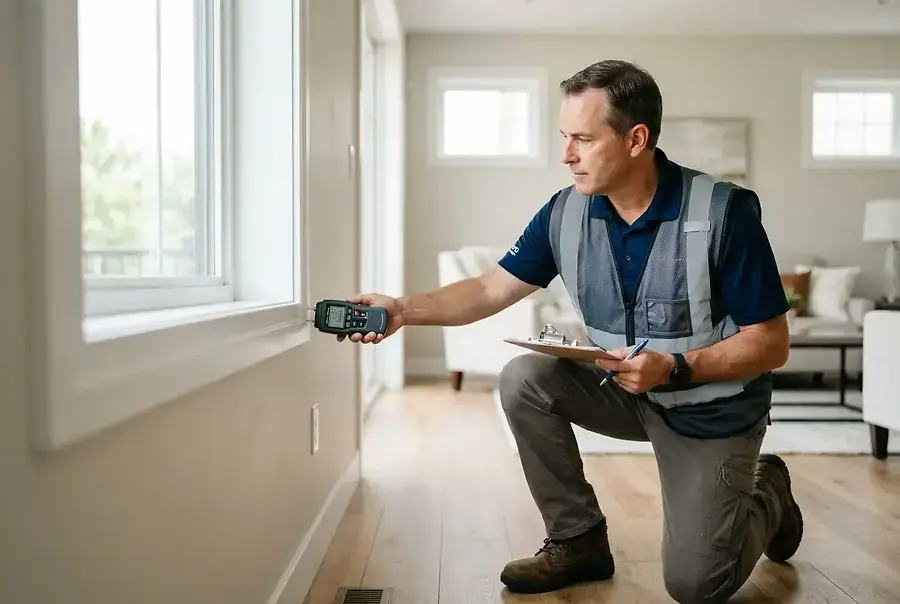
While you can identify some issues during a walk-through, hiring a licensed and certified home inspector is invaluable. A professional inspector has the expertise, tools, and experience to uncover problems that untrained eyes might miss. They provide a detailed written report that documents all findings, which becomes powerful ammunition during negotiations.
A professional inspection typically costs between $300 and $500 but can save you thousands by identifying costly repairs before you commit to the purchase.
Specialized Inspections for Specific Concerns
Depending on the property's age, location, and initial inspection findings, you may want to order specialized inspections such as:
- Pest Inspection: Identifies termites, rodents, and other infestations
- Radon Testing: Detects dangerous radon gas levels
- Mold Inspection: Assesses mold presence and extent
- Septic System Inspection: For homes with septic tanks instead of municipal sewers
- Well Water Testing: For homes with private wells
- Chimney Inspection: Ensures safety and functionality
Leveraging Inspection Findings in Negotiations
Once you have your inspection reports, you have concrete evidence to support your negotiating position. You can:
- Request repairs be completed before closing
- Ask for a price reduction to cover repair costs
- Request a credit toward closing costs
- Negotiate a timeline for repairs after closing
Armed with detailed inspection reports, you negotiate from a position of strength rather than emotion. Sellers are more likely to take your requests seriously when you present documented evidence of problems.
Walk-Through Inspection Before Closing
Don't forget to conduct a final walk-through inspection a day or two before closing. This ensures that any agreed-upon repairs have been completed and the property's condition hasn't changed since your initial inspection. Verify that appliances and fixtures that were supposed to stay with the home are still present.
Making an Informed Decision with Confidence
Thorough property evaluation empowers you to make decisions based on facts rather than emotions. By understanding the true condition of a property, you can accurately assess whether the asking price is fair and whether the home is a sound investment for your future.
Remember: A home inspection isn't just about finding problems—it's about gaining peace of mind and protecting your investment.
Take your time during the evaluation process. Ask questions, request clarification on inspection findings, and don't hesitate to walk away if the property has too many issues or if the seller is unwilling to negotiate reasonably. The right property will come along, and your diligence in evaluation will ensure that when you do make an offer, you're doing so with complete confidence and full knowledge of what you're purchasing.


